The New Year often comes with fresh goals, new plans and a desire to get your finances in better shape.
Also see: Why Gen Z is saving money differently in South Africa
Whether you want to build an emergency fund, pay off debt, save for a holiday or simply have more money left at the end of the month, starting before January can help you enter the year with greater financial confidence.
The good news is that you do not need a large salary to begin saving. Small, consistent changes to your spending habits can make a difference over time. Here are eight practical ways to get started.
1. Review your spending habits
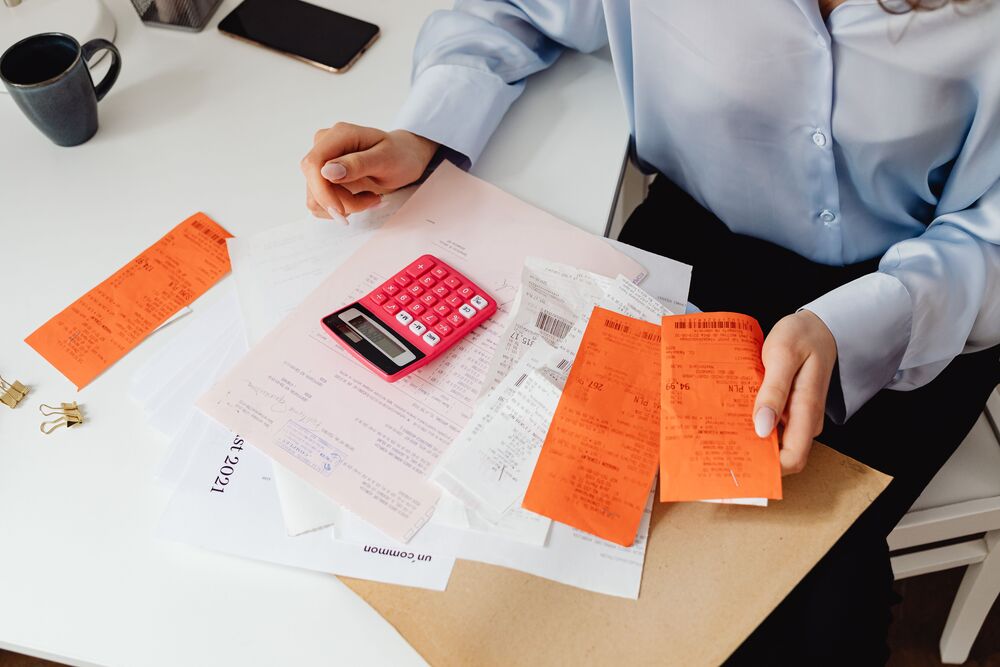
Before deciding how much to save, work out where your money is going. Review your bank statements and list your monthly expenses, including groceries, transport, rent, subscriptions and entertainment.
This will help you identify unnecessary spending and areas where you can cut back. The Financial Sector Conduct Authority (FSCA) encourages consumers to track their expenses and manage their budgets.
2. Set a realistic savings goal
Saving becomes easier when you know what you are working towards. Decide whether you want to build an emergency fund, save for school expenses, plan a holiday or put money aside for a major purchase.
Calculate how much you need and set a realistic deadline. Having a clear target can help you stay motivated.
3. Start with small amounts
You do not need to save hundreds or thousands of rand immediately. Start with an amount that fits your financial situation, even if it is R50 or R100 a month.
The important thing is consistency. You can gradually increase your contributions as your financial circumstances improve.

4. Pay yourself first
Instead of waiting until the end of the month to see what is left, put money aside as soon as you receive your salary.
Consider setting up an automatic transfer into a separate savings account after payday. This makes saving part of your monthly routine and reduces the temptation to spend that money.
Also see: Travel better while saving money
5. Reduce unnecessary expenses
Take a closer look at everyday purchases that add up over time. Frequent takeaways, impulse shopping, unused subscriptions and unnecessary outings can affect your ability to save.
You do not have to eliminate every treat. Instead, identify expenses you can reduce and redirect that money towards your savings goal.

6. Build an emergency fund
Unexpected expenses, such as car repairs or medical bills, can disrupt your finances. An emergency fund provides a financial safety net when unexpected situations arise.
Start small and gradually work towards saving three to six months’ worth of essential living expenses. Keep this money separate from your everyday spending account.
7. Manage festive season spending
The festive season can put pressure on your finances through gifts, travel, celebrations and holiday shopping.
Set a spending limit, prepare a shopping list and avoid unnecessary purchases simply because something is on special. If you receive extra income, consider saving a portion instead of spending everything.
8. Track your progress
Before January arrives, review how much you have saved and whether your budget is working. If you fall short of your target, adjust your plan rather than giving up.
Remember, building financial stability is not about saving a large amount overnight. It is about developing healthy money habits that you can maintain throughout the year.
Featured image: Pexels Karola
Also see: It is never too late to start saving money
Be the first to know – Join our WhatsApp channel for content worth tapping into. Click here to join!