Annually, October marks Breast Cancer Awareness Month, highlighting how breast cancer remains a major health concern in South Africa. The disease accounts for more than one in four cancers diagnosed in South African women.
Also see: Ida Chibweza’s Battle with Breast Cancer: A Journey of Courage, Resilience, and Renewal
According to the National Cancer Registry, around one in 27 South African women faces a lifetime risk of developing breast cancer.
And while the risk increases with age, younger women can also be diagnosed. That makes knowing what is normal for your breasts important at any stage of life.
Know the changes to look out for
One of the most recognised warning signs is a new lump or thickened area in the breast or underarm. Most breast lumps are not cancerous, but a new or unusual change should still be checked by a healthcare professional, explains the information portal Mums and Bums.
Other changes can include a difference in the breast’s size or shape, skin that becomes dimpled or puckered, or redness and swelling that does not go away.
Changes around the nipple are also worth noting. These can include the nipple turning inward, sores or discharge that is not breast milk, particularly bloody discharge.
Mums and Bums notes that persistent, focused pain in one part of the breast should also be assessed. However, these symptoms do not automatically mean cancer. Hormonal changes, cysts and infections can cause similar signs.
Men can develop breast cancer too
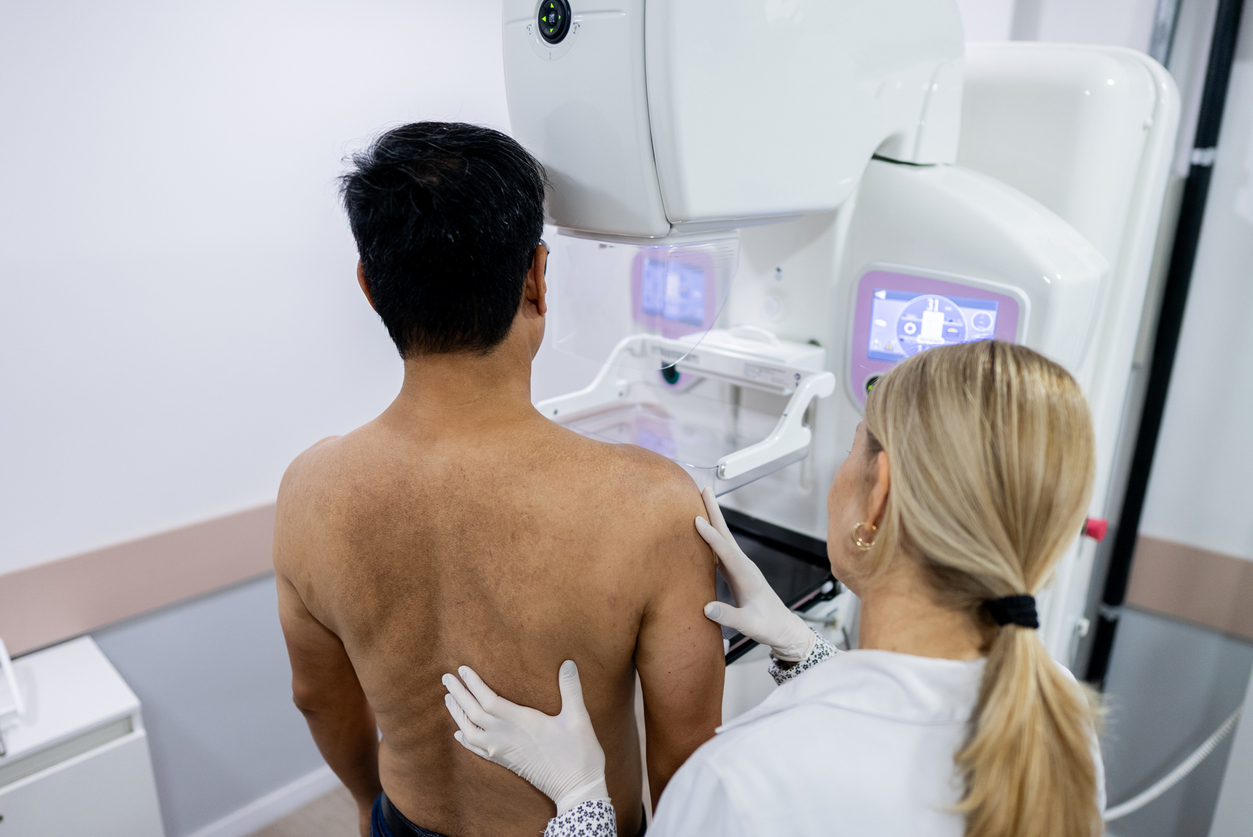
Breast cancer is far less common in men, but it can happen because men also have breast tissue.
International data indicates that about one in every 100 breast cancer cases occurs in a man. Because men are not routinely screened and may not expect breast cancer, changes can sometimes go unchecked.
Mums and Bums advises men should pay attention to a firm lump around the nipple or areola, nipple inversion or discharge, changes to the breast’s size or shape, skin puckering or scaling, and swelling in the armpit.
If a man notices these changes, a GP, clinic nurse or other healthcare provider can assess them. Depending on the findings, this may include a diagnostic mammogram, ultrasound or biopsy.
Also see: Busting Breast Cancer Myths South Africans Still Believe Ahead of Breast Cancer Awareness Month
A simple monthly check can help
Breast self-examination is not a substitute for professional screening, but it can help you become familiar with how your breasts normally look and feel.
Aim to check once a month, notes Mums and Bums. If you menstruate, doing it a few days after your period can be more comfortable. If you do not menstruate, choose the same day each month.
Start by checking yourself in the mirror for changes in shape, size, skin or nipples. You can then gently check for discharge and feel the breast and underarm area using small circular movements. Use light, medium and firmer pressure to feel different layers of tissue.
The goal is not to diagnose yourself. It is to notice something different and get it checked.
If you notice a new or persistent change, speak to a healthcare professional rather than waiting for it to disappear.
Be the first to know – Join our WhatsApp channel for content worth tapping into. Click here to join!