Breast cancer screening can help detect the disease before a lump becomes noticeable, giving women a better chance of receiving treatment early. Yet knowing when to book a mammogram, what the procedure involves and whether you are at risk can leave many women with questions.
Also see: Breast Cancer Awareness Month: Signs women and men shouldn’t ignore
Dr Jacqueline Kieck, a radiologist and breast imaging specialist at Morton & Partners at Mediclinic Cape Town, highlights the importance of early detection, explaining that finding breast cancer sooner can improve survival prospects and potentially reduce the intensity of treatment required.
For South African women, understanding when to seek screening and which symptoms deserve medical attention is an important step towards taking charge of their breast health.
When should you start having mammograms?
Dr Kieck recommends that women begin having mammograms at 40, with screening ideally taking place annually or at least every two to three years, in line with the guidelines from CANSA and the Radiological Society of South Africa.
The appropriate screening schedule can depend on a woman’s individual circumstances and risk factors, so it is worth discussing a suitable plan with a healthcare professional.
Although breast cancer can affect younger women, the risk increases with age, particularly after 40.
Screening may also remain beneficial beyond 74 for women healthy and have an expected life expectancy of at least another 10 years, according to Dr Kieck.
What can a mammogram detect?
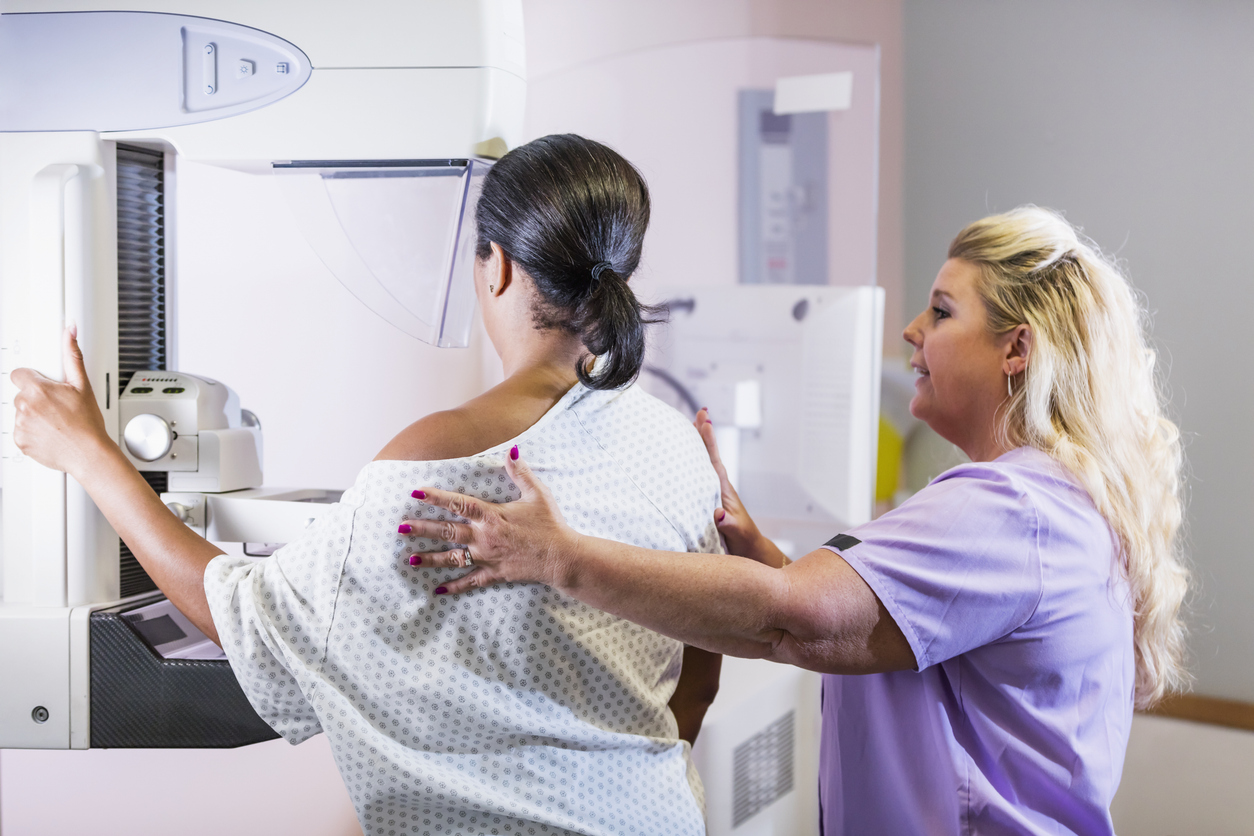
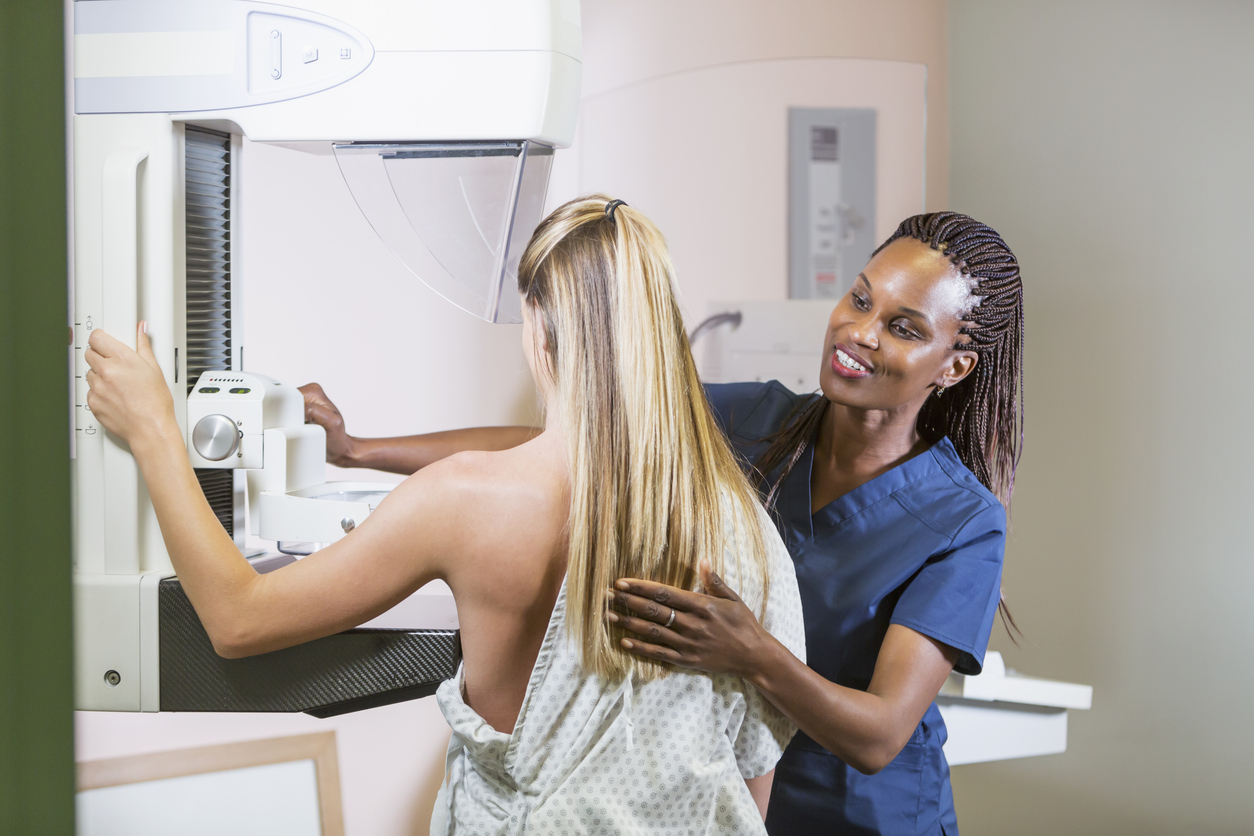
A mammogram is an X-ray examination of the breasts performed by a trained radiographer or mammographer.
Unlike a physical examination, which relies on feeling for changes in the breast, a mammogram can reveal abnormalities that are too small to detect by touch. The procedure uses a low, regulated dose of radiation.
Regular screening is one reason women undergo mammograms, but a doctor may also recommend the examination when a patient notices a change in her breasts.
These changes can include:
- A new lump in the breast
- Nipple discharge
- A noticeable difference in the breasts’ appearance or symmetry
- Breast pain, also known as mastalgia
Breast pain is often associated with hormonal changes and does not automatically indicate cancer. However, persistent symptoms or new breast changes should be discussed with a healthcare professional rather than ignored.
Also see: Ida Chibweza’s Battle with Breast Cancer: A Journey of Courage, Resilience, and Renewal
Why younger women may need an ultrasound
Not every breast lump requires the same type of imaging.
Dr Kieck explains that women younger than 35 who present with a lump will generally undergo an ultrasound rather than a mammogram as their first examination.
The reason is breast density. Younger women tend to have denser breast tissue, which can make abnormalities more difficult to identify on mammogram images.
An ultrasound can help doctors assess a lump and determine whether further investigation is necessary. The most appropriate examination will depend on the patient’s age, symptoms and clinical assessment.
Breast cancer risk is not only about family history
A family history of breast cancer can increase a woman’s risk of developing the disease. However, Dr Kieck notes that around 70% of women diagnosed with breast cancer have no family history.
This is an important distinction because women without affected relatives may mistakenly assume they are not at risk.
Other factors highlighted by Dr Kieck include being overweight, not getting enough physical activity, drinking alcohol, smoking and having a poor diet.
She recommends that women undergo a breast cancer risk assessment before the age of 25. This assessment considers personal and family medical histories to help estimate an individual’s lifetime risk.
Women identified as being at high risk may need a different screening plan from those at average risk. Dr Kieck says MRI scans may be recommended from age 25 for certain high-risk patients.
MRI is a more expensive screening option, but it can provide highly detailed images of breast tissue. Whether it is appropriate depends on a woman’s assessed risk and medical advice.

What happens when you go for a mammogram?
The idea of having a mammogram can feel intimidating, particularly for women who have never had one.
During the examination, the breast is positioned between two plates on an X-ray machine and briefly compressed while images are taken. Two views of each breast are typically captured: one from top to bottom and another from side to side. Each image takes only a few seconds.
The compression can be uncomfortable, especially for women with sensitive breasts, although the procedure is generally well tolerated.
There are also a few practical things to remember before your appointment:
- Leave deodorant and talcum powder off your skin on the day of the examination. These products can show up on the images and potentially obscure areas that need to be assessed.
- Wearing a two-piece outfit can also make the appointment easier, as you will need to remove your top and bra.
What happens after the screening?
Some clinics provide an initial indication of the findings shortly after the examination, while the formal report is sent to the referring doctor or gynaecologist.
Depending on the images and the patient’s breast density, additional tests may be recommended.
For example, a woman may be asked to return for an ultrasound if the mammogram does not provide enough information or if the radiologist needs to investigate an area further.
Being called back does not automatically mean that cancer has been found. Further imaging can help clarify whether an area is a benign cyst or something that requires closer investigation.
The next steps will depend on the results and the advice of the medical team.
Do not wait for a lump before taking action
Breast cancer screening is not only for women who have already noticed a change. Routine screening can identify abnormalities before they become obvious, which is one reason early detection matters.
Women should speak to their healthcare providers about when to start screening, how often to attend and whether their personal or family history means they need additional tests.
If you notice a new lump, nipple discharge or another unusual breast change, seek medical advice instead of waiting for your next routine appointment.
Early detection can make a meaningful difference. Taking the time to understand your risk and keep up with appropriate screening is an important part of looking after your health.
Also see: Breast cancer myths: 15 common claims and the truth
Be the first to know – Join our WhatsApp channel for content worth tapping into. Click here to join!