Across South Africa’s major metropolitan municipalities, a stark contrast in local governance is fueling intense public debate both on the ground and across digital platforms.
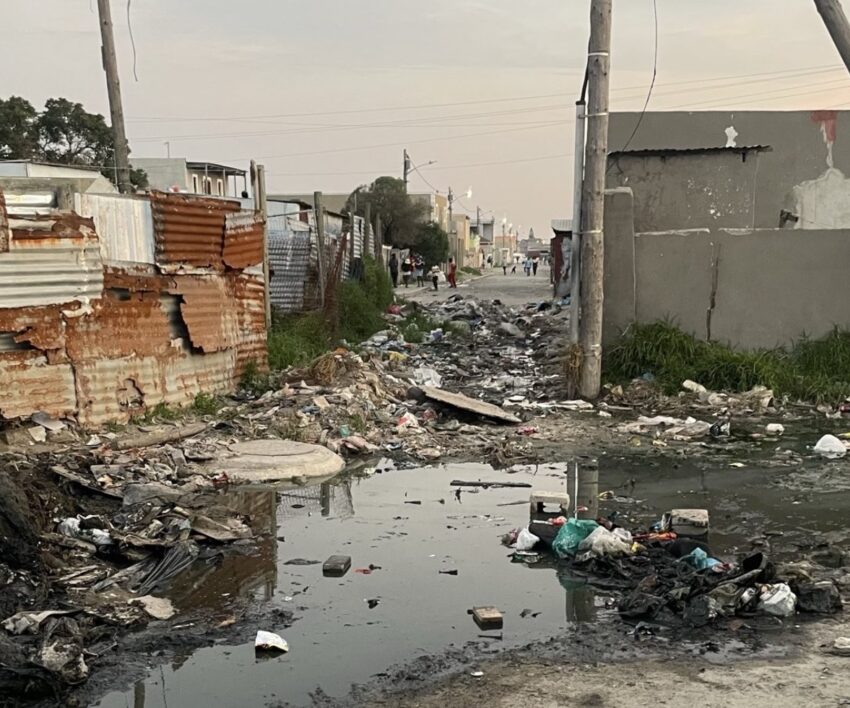
As residents in decaying urban centres grapple with uncollected refuse, overflowing sewage, and deteriorating roads, the viral social media trend “The Mayor vs the service delivery” has ignited widespread outrage over basic infrastructure failures.
Also see: Former Defence Minister Mapisa-Nqakula unwell, trial adjourned
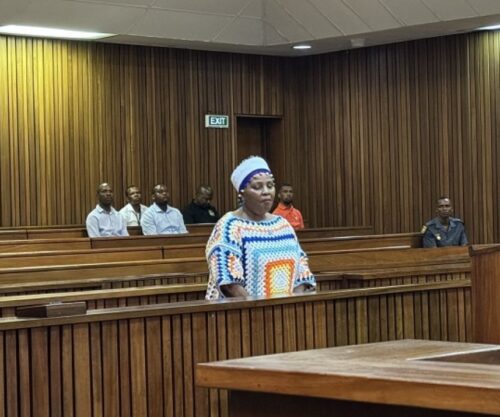
The viral format, where citizens post official portraits of municipal mayors alongside side-by-side photos of uncollected waste, crumbling roads, and pooled sewage in their wards, comes as the Auditor-General of South Africa (AGSA) releases increasingly critical assessments of local government financial management.
Viral social media trend exposes urban decay
The trend has gained rapid momentum on X (formerly Twitter) and TikTok under phrases like “The Mayor vs the service delivery” and threads calling to expose municipal failures.
Users are sharing side-by-side images featuring high-profile municipal figures alongside stark photos of their surrounding neighbourhoods. The posts highlight severe spatial and operational disparities, with ratepaying citizens using visual evidence to demand immediate accountability from city halls across the country.
The Mayor vs the service delivery 😩💔 https://t.co/FBG1IPfTNO pic.twitter.com/klypYvJv9y
— Yamihle (@Ntombohlanga_) September 8, 2026
Johannesburg and eThekwini struggle under infrastructure backlogs
In the City of Johannesburg and eThekwini Metropolitan Municipality, community advocacy groups and ratepayer associations are raising alarms over collapsing basic infrastructure.
In Johannesburg, key arterial roads remain compromised following delayed repairs to ageing underground pipe networks and storm-damaged bridges. Meanwhile, persistent strikes and fleet maintenance shortages at Pikitup have left suburban street corners piled high with domestic waste.
Similarly, eThekwini continues to fight severe beach closures and environmental contamination stemming from unrepaired wastewater treatment works along the KwaZulu-Natal coastline. Economic research presented by the Durban Chamber of Commerce and Industry indicates that ongoing infrastructure failures have severely hindered local tourism recovery and small business sustainability.
Also see: Helen Zille takes a swipe at Joburg’s poor service delivery with viral middle finger
Cape Town’s visible service contrast triggers political fallout
Conversely, online discourse frequently highlights the City of Cape Town’s high-visibility municipal maintenance drives. Public photos comparing pristine public spaces and rapid pothole repairs in Cape Town to the litter-strewn corridors of Joburg’s CBD have gone viral across social media platforms.
The mayor vs service delivery https://t.co/WKIaqt57BZ pic.twitter.com/mSlBurGe8A
— Matlhotja🇿🇦 (@asenatho_limper) September 8, 2026
However, civic organisations in Cape Town emphasise that the service delivery experience remains deeply divided along socioeconomic lines. Community leaders in township areas point out that informal settlements continue to experience severe sanitation backlogs and refuse removal delays, warning against superficial comparisons that ignore systemic spatial inequality.
AGSA reports highlight systemic municipal failure
The contrast in street-level conditions reflects broader statutory findings by Auditor-General Tsakani Maluleke. In the latest AGSA Consolidated General Report on Local Government Audit Outcomes, less than 15% of South Africa’s 257 municipalities achieved clean audits.
Key systemic failures cited by the Auditor-General include:
- Unauthorised, irregular, and fruitless expenditure: Billions of rands lost annually due to non-compliance with Supply Chain Management regulations.
- Neglected maintenance budgets: Municipalities allocating far less than the Treasury-recommended 8% of infrastructure value toward routine maintenance, leading to premature asset decay.
- Under-spending on capital grants: Millions in national conditional grants returned to the National Revenue Fund unused despite crumbling local infrastructure.
The mayor vs the service delivery https://t.co/XhTK93LSzs pic.twitter.com/SNp6rI5ckK
— ❤️Xola Senamile (@dladla_miss) September 8, 2026
Ratepayers demand accountability over political theatre
With local government elections approaching, civil society organisations like the Organisation Undoing Tax Abuse (OUTA) are urging South Africans to hold elected leadership accountable to constitutional mandates rather than PR campaigns.
Under Chapter 7 of the Constitution of South Africa, local government is bound to ensure the provision of services to communities in a sustainable manner and promote a safe and healthy environment.
As ratepayer boycotts gain legal momentum in several collapsing towns, the message from citizens remains clear: effective governance is measured by clean streets, functioning taps, and paved roads, not political rhetoric.
Also see: Home Affairs expands services to banking apps in major digital shift
Be the first to know – Join our WhatsApp channel for content worth tapping into. Click here to join!