If 3am has become the hour when you regularly find yourself wide awake, you’re not alone. For many women, sleep can start to feel different after 40, with hormonal changes, night sweats, stress, lifestyle changes and physical discomfort all potentially playing a role.
Also see: Healthy habits to support menopause
An occasional restless night is nothing unusual, but when waking during the night becomes a pattern, it can leave you feeling exhausted before the day has even begun.
When sleep starts to change
The years around perimenopause and menopause can bring changes that affect how well you sleep. Hot flushes and night sweats can make it difficult to stay asleep, while changes in routine, stress and the demands of everyday life can add to the problem.
Small adjustments can sometimes make nights more manageable. Keeping the bedroom cool, choosing lightweight sleepwear and having bedding that can easily be adjusted can help when body temperature changes during the night.
What happens during the day can also influence sleep. Caffeine and alcohol, stress, exercise and inconsistent bedtimes can all affect sleep patterns. Keeping a relatively regular sleep and wake time, getting some daylight and movement during the day, and allowing time to wind down before bed can help create a more consistent bedtime routine.
Sometimes, it’s not your sleep that’s waking you
Your reason for waking in the early hours might be physical. Nighttime leg cramps, for example, can cause a sudden and painful interruption to an otherwise peaceful night’s sleep.
“Anyone who has experienced a calf cramp in the middle of the night knows how quickly it can bring you out of a deep sleep,” says Selvan Naicker, Brand Manager for CrampEase®. “You can go from being completely asleep to stretching, walking around and trying to get the muscle to relax. Once the cramp has passed, getting back to sleep isn’t always easy.”
Factors such as strenuous exercise, dehydration and ageing are among those associated with leg cramps, making them something that some women may encounter more frequently as their routines and bodies change.
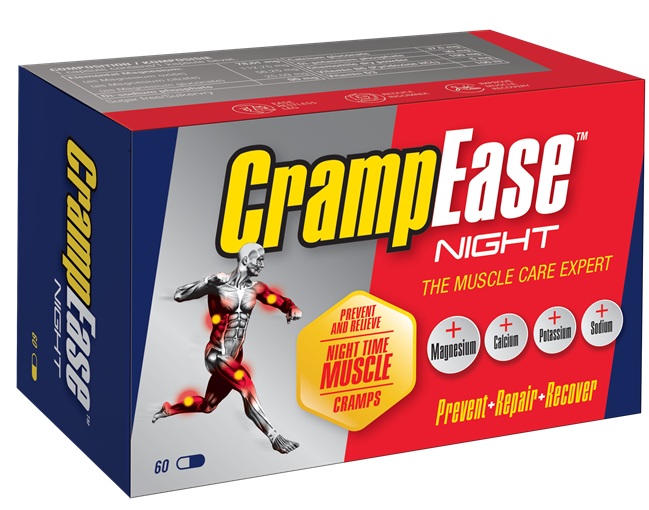
For those experiencing recurring night-time cramps, CrampEase® Night is formulated specifically for night-time use and contains magnesium, potassium, calcium and sodium. It is designed to help ease night-time cramps and support a more comfortable night’s rest.
Also see: Reasons why women need more sleep than men
And then there’s the 3am overthinking
Physical discomfort isn’t the only thing that can wake you. For many women in their 40s, life itself can be busy enough to make switching off difficult.
Work, relationships, children, ageing parents, finances and the mental load of managing a household can all continue running through your mind long after the day has ended. Sometimes, 3am is simply when everything that was pushed aside during the day suddenly has your full attention.
Creating a little separation between the day’s responsibilities and bedtime can help. Writing down tomorrow’s tasks before going to bed, putting your phone aside and giving yourself some quiet time to unwind may make it easier to switch off.
And if you do wake during the night, reaching immediately for your phone can make it even harder to settle back down.
Don’t simply accept restless nights
Sleep may naturally change as women move through their 40s, but regularly waking exhausted shouldn’t simply be dismissed as part of getting older.
Paying attention to when and why you’re waking can be useful. Is it night sweats? Stress? A busy mind? Or something physical, such as a painful leg cramp?
Understanding what is disrupting your sleep is the first step towards addressing it.
“If waking during the night is becoming a regular occurrence, it’s worth looking at what could be contributing to it rather than simply accepting poor sleep as part of getting older,” says Naicker. “Sometimes identifying the reason for the disruption can be the first step towards finding a better night’s rest.”
Because not every 3am wake-up means you’re a bad sleeper. Sometimes, it may simply be your body telling you that something needs a little more attention.
Featured image: Supplied
Also see: The sleep-skin connection: How poor sleep affects your skin
Be the first to know – Join our WhatsApp channel for content worth tapping into. Click here to join!