
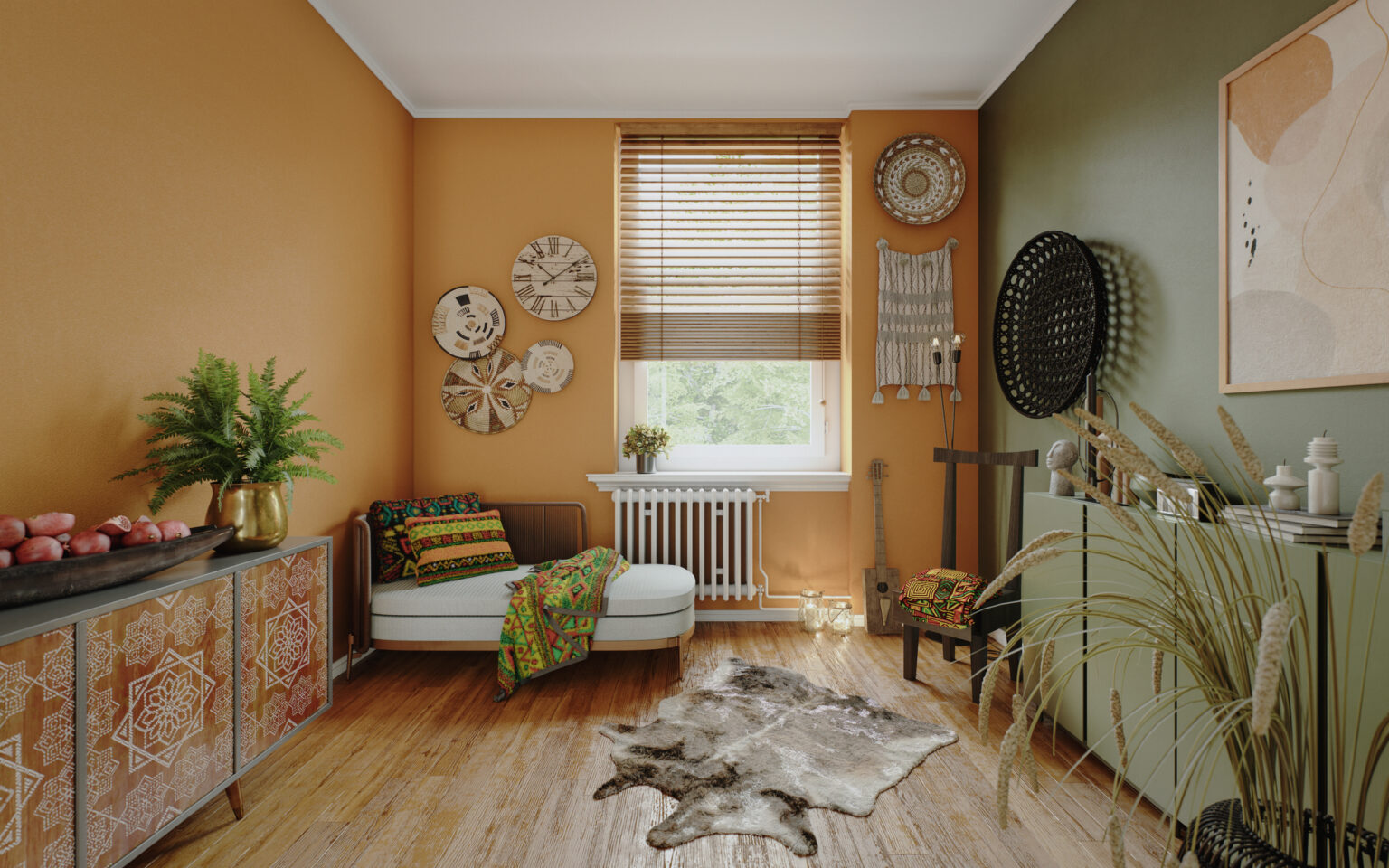
In an era dominated by mass-manufactured furniture and fleeting micro-trends, interior design is undergoing a profound movement toward character, sustainability, and narrative depth.
Also see: Decorex Joburg 2026 wraps up with fresh inspiration for SA homes
‘Slow decor,’ the deliberate practice of curating living spaces with secondhand treasures, upcycled materials, and artisanal fabrics, has shifted from a budget-friendly alternative to a sophisticated design philosophy.
By pairing thrifted, vintage finds with rich heritage textiles, homeowners can transform standard living quarters into textured, soul-filled sanctuaries that honour both environmental responsibility and cultural legacy.
The science and sustainability behind upcycled living
The shift toward pre-loved decor is backed by strong environmental research and global industry insights. According to reports from the Ellen MacArthur Foundation, the global textile and furniture industries are among the leading contributors to landfill waste, with millions of tons of post-consumer waste discarded annually.
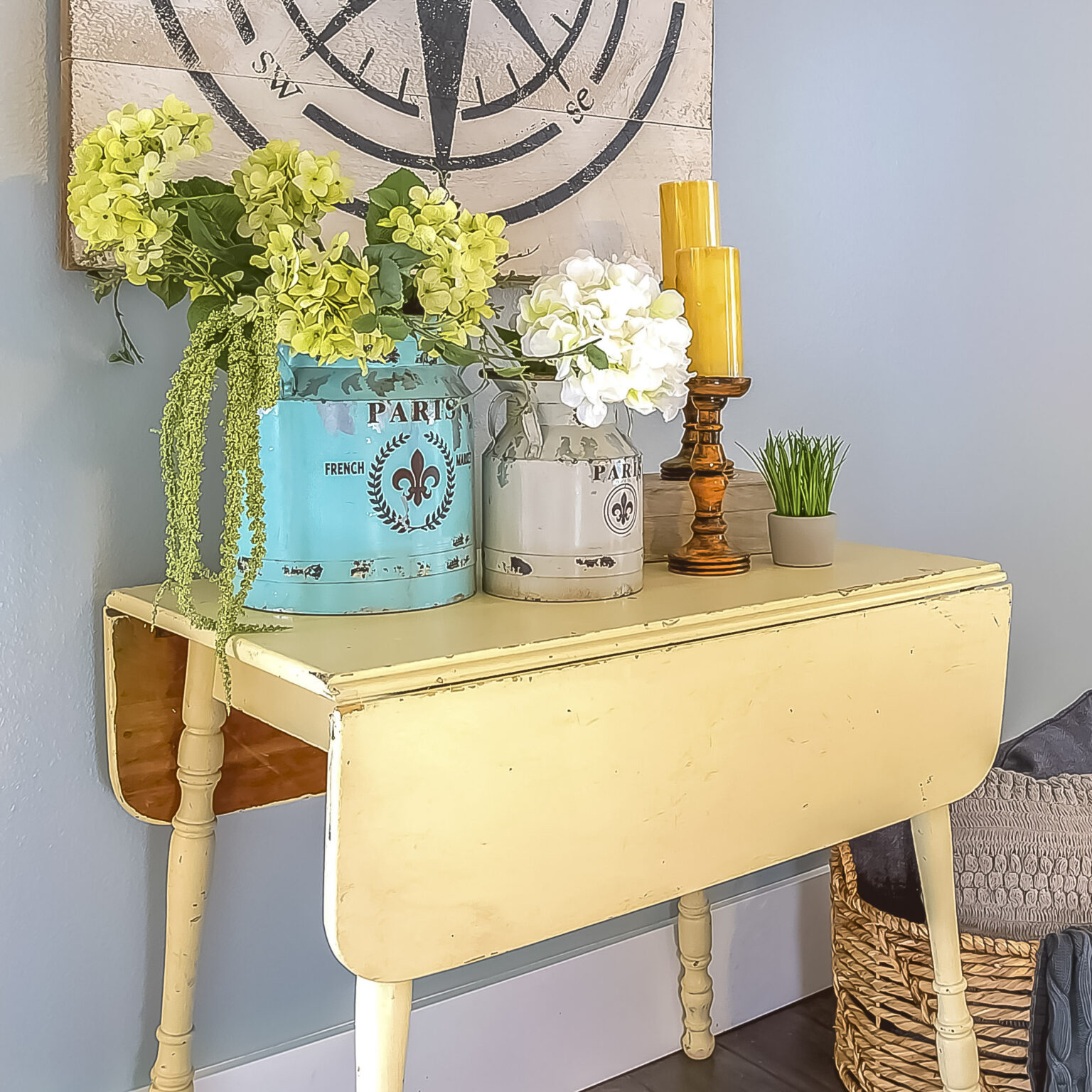
Integrating upcycled and vintage elements into home design actively fosters a circular economy, diverting durable items from municipal waste streams while significantly lowering a home’s carbon footprint.
Recent academic research highlights the growing value of textile upcycling within architectural and interior design environments. A study published by Kenyatta University researchers in the African Journal of Tourism and Hospitality Management emphasised that repurposed textiles and fabric manipulation techniques offer viable, high-end decorative solutions that promote sustainable interior aesthetics.
Similarly, international research from institutions such as Cornell University showcases how re-engineering pre-owned materials allows designers to balance functional durability with high-concept visual appeal.
Elevating spaces with South African and global heritage textiles
While thrifted furniture provides structural bones of a room, heritage textiles supply its heart and tactile warmth. Incorporating woven traditions into soft furnishings, such as throw pillows, upholstered accent chairs, wall tapestries, and window treatments, grounds a home in authentic craftsmanship.
In South Africa, heritage textiles carry rich histories and unmatched visual textures. Hand-printed Shweshwe cottons, traditional Xhosa umbhaco striping, geometric Ndebele motifs, and handwoven mohair pieces from the Karoo offer striking depth when layered against vintage leather or reclaimed timber.
Also see: Timeless home decor lessons you can steal from grandma
Globally, pairing these local textures with artisanal imports, such as Senegalese Manjak weavings, Ghanaian Kente, Malian mudcloth (bogolanfini), or vintage Turkish kilims, creates a sophisticated, worldly dialogue within the home.
Design theorists at the University of Johannesburg note that incorporating authentic African material culture into contemporary interiors fosters a deep sense of identity, place, and spatial continuity.
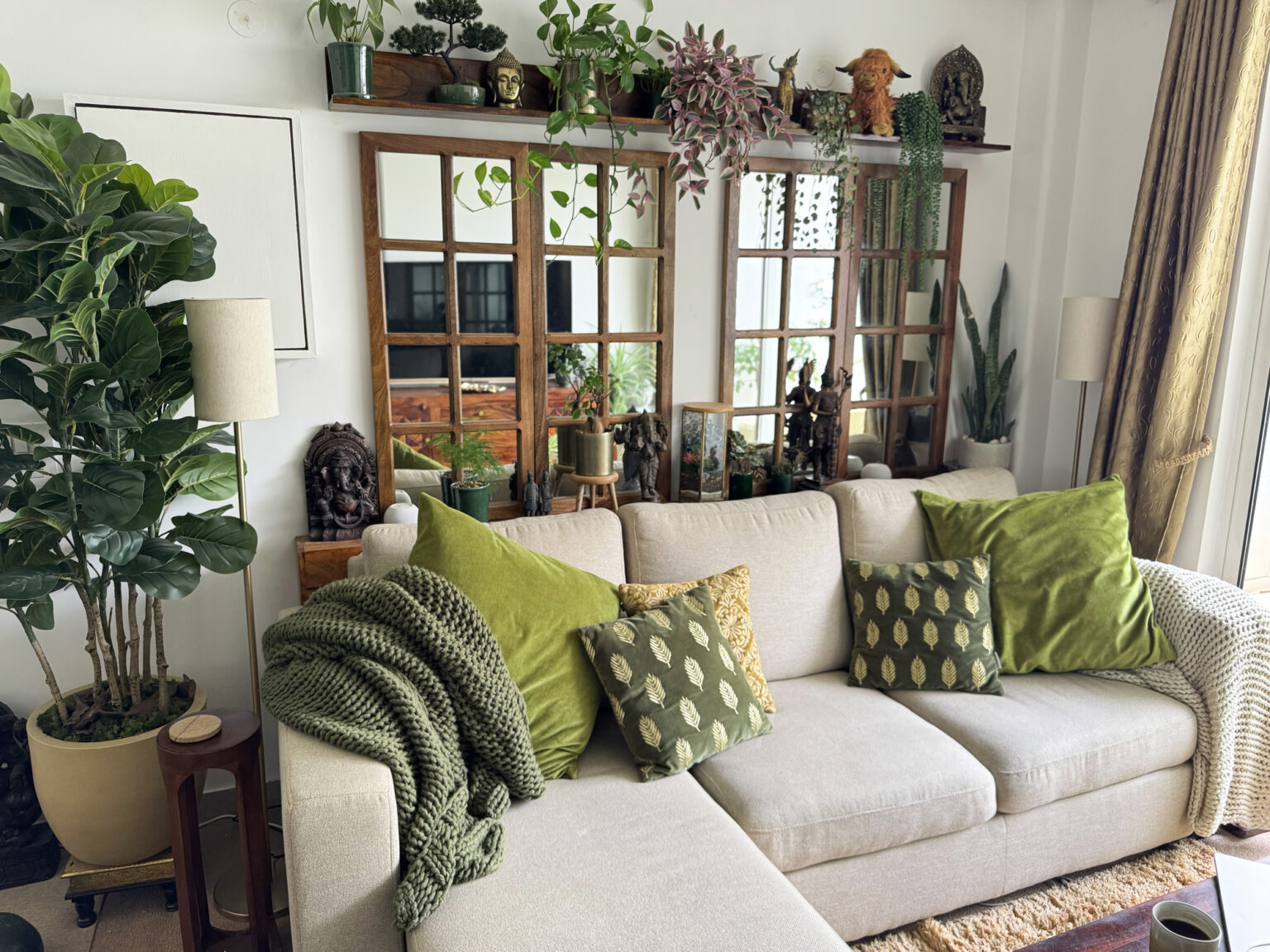
Rather than treating heritage fabrics as costume pieces, expert designers recommend utilising them as focal points: upholstering a thrifted mid-century armchair in indigo-dyed cloth, framing intricate textile fragments as fine art, or draping heavy woven throws across a tailored couch.
Curation strategies for a polished, layered aesthetic
Mastering the blend of secondhand treasures and cultural fabrics requires a balance of patience and intent. Design experts recommend a few core principles to ensure your space feels curated rather than cluttered:
- Focus on silhouette and frame: When scouting thrift stores or local flea markets, look past worn fabrics or dated varnish. Focus on sturdy timber frames, unique antique silhouettes, and sound structural joinery that can be easily sanded, stained, or reupholstered.
- Embrace intentional contrast: Balance sleek, modern architectural lines with the weathered patina of a thrifted coffee table or a textured, handwoven tapestry. The friction between clean contemporary surfaces and tactile, historic textiles creates an inviting atmosphere.
Featured image: iStock/Bulgac
Also see: Spring refresh: small changes to revitalise your home decor
Be the first to know – Join our WhatsApp channel for content worth tapping into. Click here to join!