
Water is one of our most important natural resources, and small changes in our daily routines can make a meaningful difference. South Africa is water-scarce, so responsible water use is especially important.
Also see: Three smart ways to give your geyser a break (and save money) this festive season
The South African Government encourages households to adopt simple water-saving habits, while the City of Cape Town and Western Cape Government also provide practical advice for reducing household water consumption.
From fixing leaking taps to taking shorter showers, here are some simple ways to save water at home.
1. Fix leaking taps and toilets
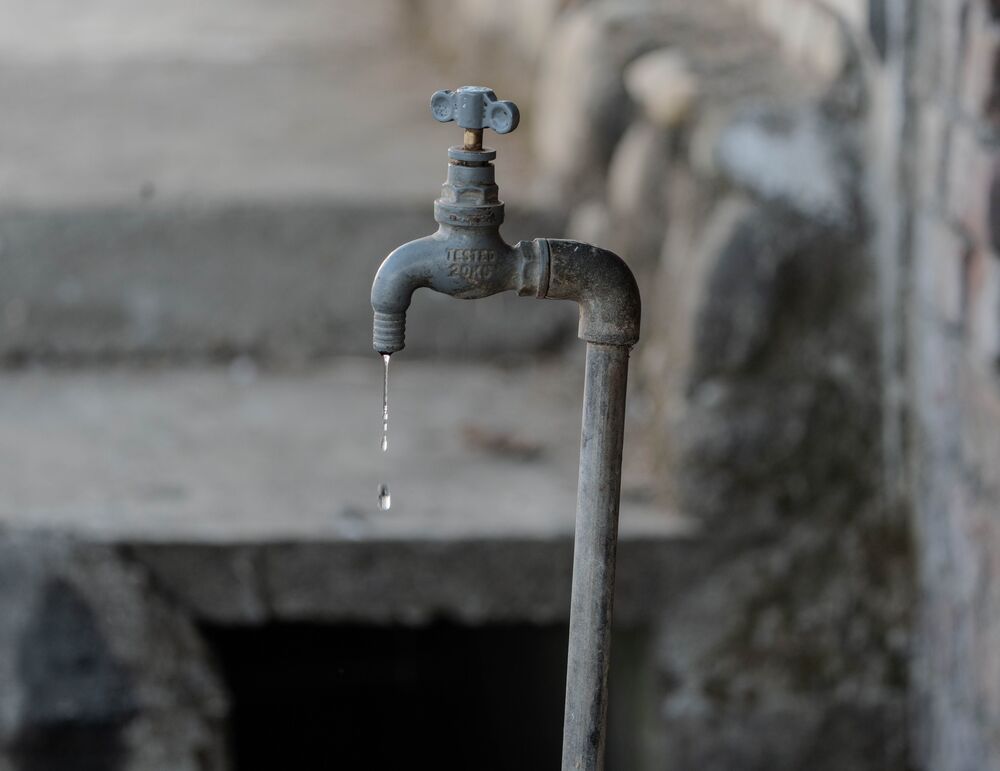
A dripping tap or leaking toilet may seem minor, but water can be wasted continuously if the leak is ignored.
Check taps, pipes, toilets and other plumbing fixtures regularly and repair leaks as soon as possible. The City of Cape Town recommends that residents regularly check their plumbing systems and fix leaks immediately.
2. Take shorter showers
Cutting down the amount of time spent in the shower can help reduce water consumption.
The South African Government recommends taking a five-minute shower instead of a bath, noting that this can significantly reduce water use. It also advises turning off the tap while brushing your teeth, washing your face or shaving.
Try setting a timer if you tend to lose track of time in the shower.
3. Turn off the tap when brushing your teeth
There is no need to leave the water running while brushing your teeth.
Simply turn off the tap while brushing and only switch it back on when you need to rinse. This small habit can help reduce unnecessary water use every day.
4. Only run full loads of laundry
Avoid running your washing machine when it is only partially full.
Wait until you have a full load, or use the appropriate load-size setting if your machine has one. The US Environmental Protection Agency’s WaterSense programme recommends washing full loads to reduce water use.
The same principle can be applied to dishwashers: run them when they are full rather than washing several small loads.
5. Use a basin when washing dishes
If you wash dishes by hand, avoid allowing water to run continuously while scrubbing or rinsing.
Instead, fill a basin or plug the sink and use only the water you need. WaterSense also recommends this to reduce water use in the kitchen.
Also see: How to set up a water-wise kitchen
6. Reuse suitable household water
Some water that would normally go down the drain can potentially be reused for other purposes.
The Western Cape Government recommends using suitable greywater from sources such as washing machines, basins, showers and baths in the garden.
Make sure any reused water is appropriate for its intended purpose and follow local health and municipal guidelines.
7. Water your garden at the right time
If you have a garden, timing can help reduce evaporation.
The City of Cape Town advises watering gardens before 09:00 or after 18:00, while the Western Cape Government recommends watering around sunrise and sunset.
Consider planting indigenous or drought-tolerant plants that are better suited to local conditions and generally require less watering.
8. Don’t use a hose to clean paved areas
Instead of spraying driveways, patios and pavements with a hose, use a broom to sweep away dirt and leaves.
This avoids using drinking water for a task that can usually be done without it. The City of Cape Town specifically advises against hosing down hard-surfaced areas with municipal drinking water.
9. Keep drinking water in the fridge
If you prefer cold water, keep a jug or bottle in the refrigerator rather than letting the tap run while waiting for the water to become cold.
This is one of WaterSense’s recommended ways to reduce unnecessary water use in the kitchen.
10. Consider water-efficient fixtures
When replacing bathroom or kitchen fittings, look for water-efficient taps, showerheads and toilets.
For example, Cape Town’s water-saving guidelines specify maximum flow rates for new or replaced showerheads and washbasin taps.
Water-efficient fixtures can help households reduce consumption without having to completely change their daily routines.
Every drop counts
Saving water does not necessarily require major lifestyle changes. Turning off the tap, taking shorter showers, fixing leaks, running full loads of laundry and watering the garden at suitable times are simple steps that can collectively reduce household water use.
For South African households, making water conservation part of everyday life can help protect a precious and limited resource for the future.
Also see: Avoiding a water crisis: 5 actions every citizen should take
Be the first to know – Join our WhatsApp channel for content worth tapping into. Click here to join!