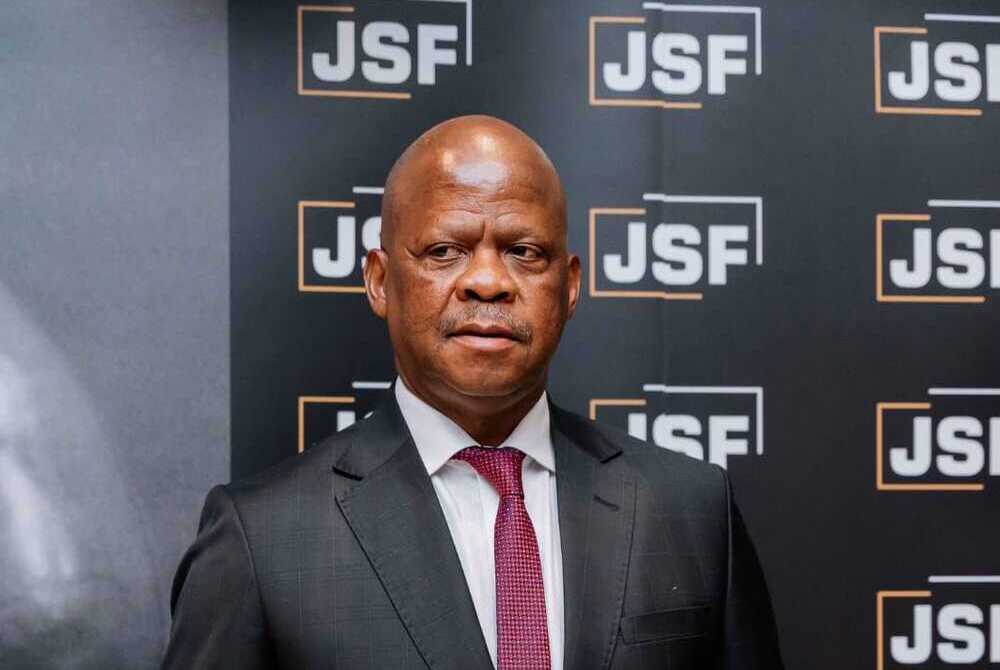
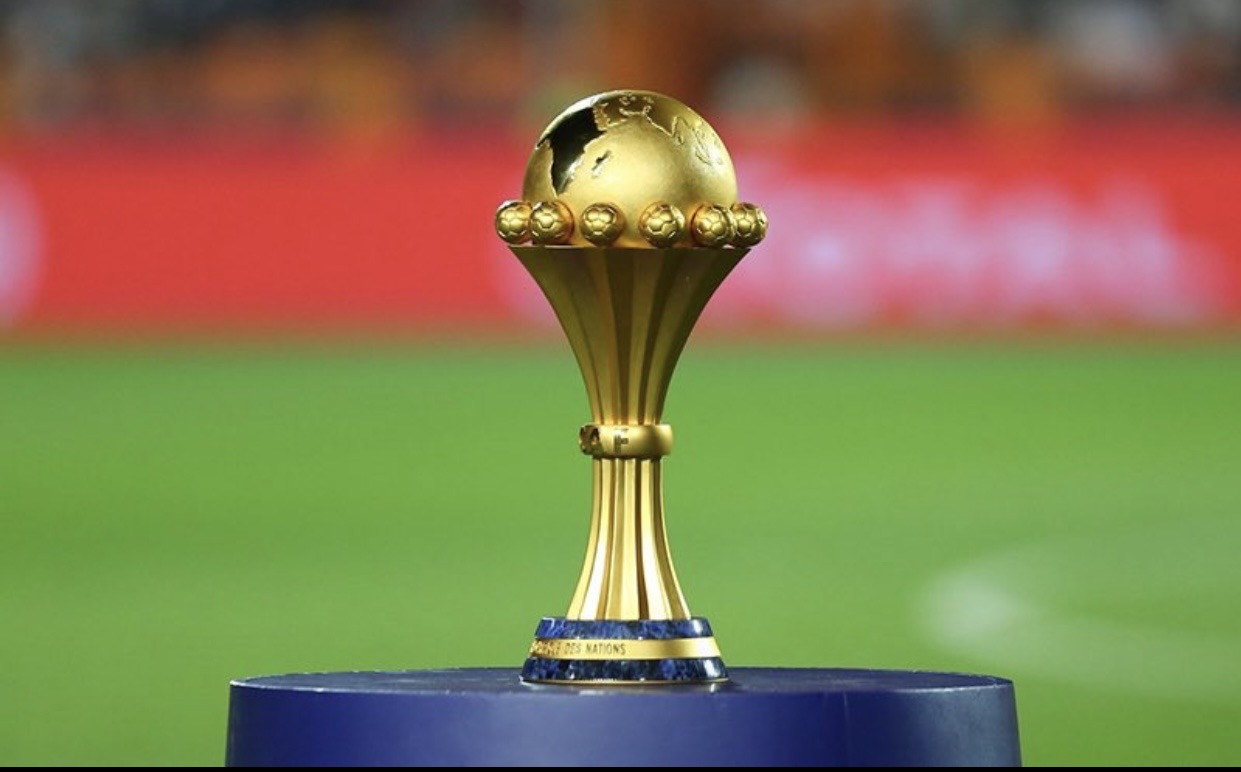
The proposed tripartite bid to host the 2028 Africa Cup of Nations (AFCON) has suffered a major setback following Botswana’s official withdrawal from its joint hosting agreement with South Africa and Zimbabwe.
Also see: PROTEAS SEAL ODI SERIES WIN OVER AUSTRALIA WITH 2-0 LEAD
The decision comes after the Botswana government declined to provide the mandatory financial guarantees required by the Confederation of African Football (CAF) before the 14 September 2026 submission deadline.
The unexpected exit leaves the South African Football Association (SAFA) and the Zimbabwe Football Association (ZIFA) to forge ahead as a dual-nation bid as CAF reviews competing proposals from across the continent.
Financial constraints and market downturns
According to official statements and reports from local outlets, Botswana’s decision was largely driven by severe economic pressures. The nation’s treasury faces tightening fiscal limits brought on by a downturn in the global diamond market, a sector that generates the vast majority of Botswana’s government revenue and foreign exchange.
In light of these economic realities, government officials determined that committing state funds toward multi-million-dollar tournament infrastructure and operational guarantees could not be prioritised over immediate domestic economic requirements.
While the Botswana Football Association (BFA) argued that full financial guarantees were not strictly binding during the preliminary bidding phase, the lack of backing from the Ministry of Youth, Gender, Sport and Culture made proceeding untenable. Consequently, the BFA failed to submit its required bidding dossier before CAF’s deadline.
Botswana has pulled out of the joint bid with South Africa and Zimbabwe to host the 2028 AFCON due to financial constraints.
— Africa Facts Zone (@AfricaFactsZone) September 29, 2026
Impact on the regional infrastructure plan
The original three-nation proposal sought to leverage proximity and shared infrastructure across Southern Africa to minimise travel logistics and operational costs.
Under the initial plan, Botswana was slated to host at least one full group stage at the Obed Itani Chilume Stadium in Francistown, alongside scheduled match fixtures in Gaborone as the National Stadium underwent planned upgrades.
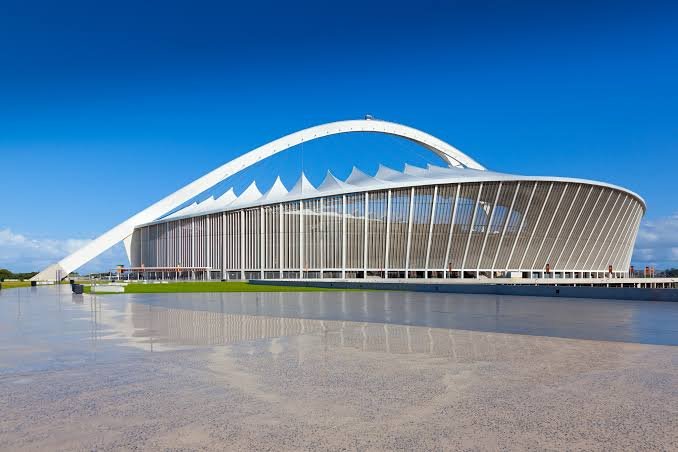
With Botswana stepping aside, South Africa and Zimbabwe are restructuring their operational framework. While South Africa boasts world-class 2010 FIFA World Cup venues that meet all international broadcast and hosting standards, Zimbabwe continues to work through stadium renovation programmes to meet CAF certification requirements.
Also see: CSA SETS RECORD STRAIGHT ON SOUTH AFRICA’S DROP-IN PITCHES
Public reaction across the SADC region
The announcement has stirred mixed reactions among football fans and sports analysts across the Southern African Development Community (SADC):
If South Africa agrees to co-host the CAF with Zimbabwe, I will leave this country.
— Sir Lebona Cabonena (@LCabonena) September 29, 2026
In Botswana, supporters expressed disappointment over the missed chance to host Africa’s flagship football event, though economic commentators applauded the government’s fiscal prudence amid mining sector headwinds.
In South Africa and Zimbabwe, public sentiment remains divided.
Some football stakeholders argue that a dual South Africa-Zimbabwe bid simplifies overall logistics and stadium allocations, while others urge sports authorities to carefully evaluate hosting costs given pressing local socioeconomic challenges.
CAF’s executive committee, working alongside independent financial and technical advisers, is expected to evaluate all formal 2028 AFCON submissions over the coming months before announcing the official host nation or co-hosts.
Also see: BAFANA BAFANA STAR DEALT FRESH INJURY BLOW BEFORE ERITREA MATCH
Be the first to know – Join our WhatsApp channel for content worth tapping into. Click here to join!