
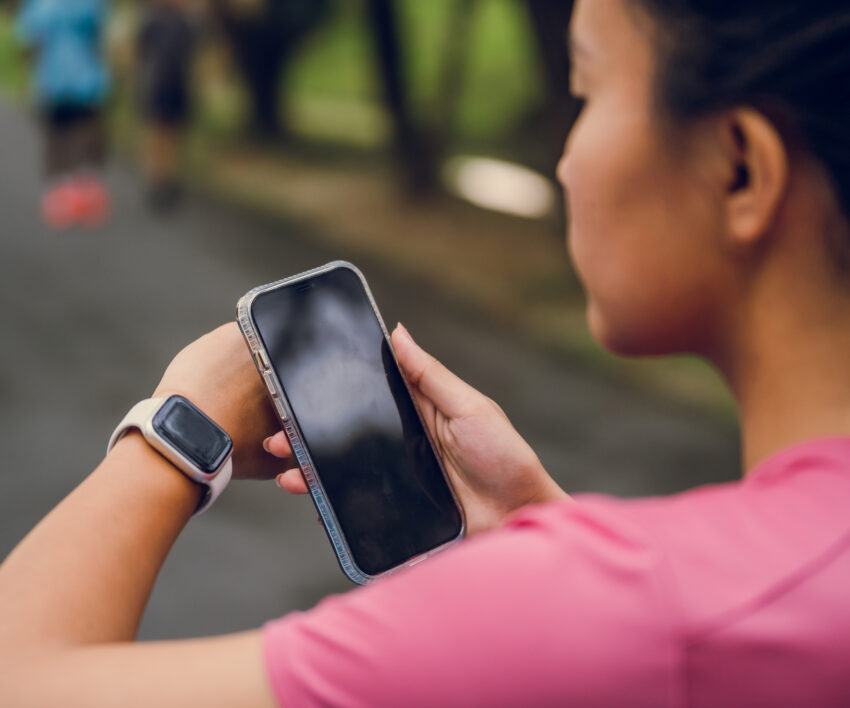
Self-care is a significant way to feel more present and grounded in your life. However, have the tools we utilise to monitor our progress in these self-care journeys become a form of self-surveillance?
Also see: Think you might have ADHD? Here are the signs
The thin line between care and surveillance
Self-care practices look different for everyone but usually have the same function: they help people who practice them feel better and improve their health. Self-care can look like working out, skincare routines, exercise, or practising mindfulness such as journaling and mood tracking.
Many tools help you track your progress and keep you accountable on your self-care journey, but it can start to feel like you are monitoring yourself. For example, the mirror, used to see the effects of the new skincare products you’re trying, may start pointing out breakouts forming under your skin.
Also see: Cheat day tips for staying on track with your fitness goals
What we lose when we are under surveillance
Psychology Today explained what happens when the body becomes a spreadsheet of numbers and to-do lists by referring to the ‘objectification theory.’ Essentially, women and girls internalise the outside world’s view of their bodies, leading them to monitor how they appear rather than experience how they feel.
This kind of monitoring has extended far beyond appearance to include counting calories and fibre intake, steps, sleep, heart rate, weight, recovery, and even mental health. Although the information that these monitoring devices offer may be helpful and support healthy habits, they can turn the body into something that needs to be scored and corrected.
The joy of a simple walk, the relaxed feeling of a face mask, or the sound of a quiet mind during a workout gets lost in the consistent anxiety of reaching a goal or a specific number.
How to avoid self-surveillance
The point of self-care is to feel relaxed, fulfilled, and satisfied afterwards. Dr Terra Well on Psychology Today shares, “A workout motivated by care can build strength. The same workout driven by shame can feel like a punishment for not meeting unrealistic standards.”
She suggests the best way to avoid facilitating a space of shame is to consider the following questions:
- “Do I feel better afterwards, or more dissatisfied with myself?”
- “Is this helping me live my life, or making my life smaller?”
- “Am I responding to a real need or to an imagined audience?”
- “Would I still want to do this if nobody could see the result?”
Also see: What parents should know about medical aid cover for their newborn baby
Be the first to know – Join our WhatsApp channel for content worth tapping into. Click here to join!