
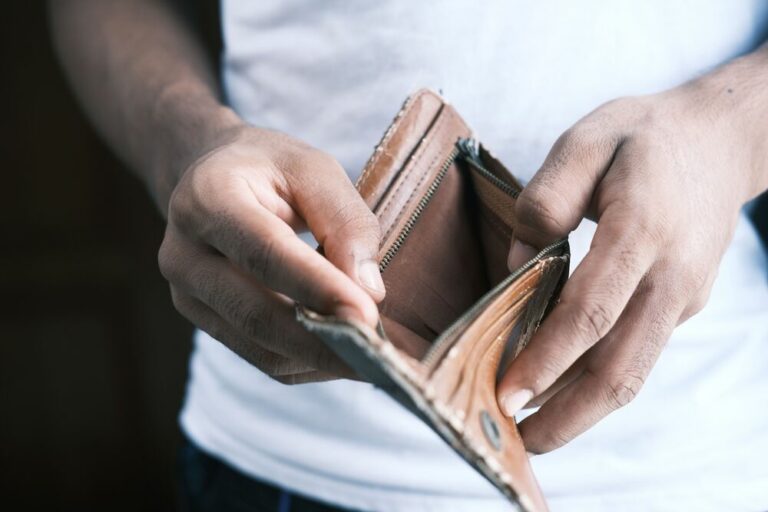
Getting paid can feel like a financial reset. Bills are settled, groceries are bought, and, for a few days, there is a little breathing room. Then, seemingly out of nowhere, the money starts disappearing — and by the time payday approaches, you are counting down the days.
Also see: Top 5 money habits that quietly keep you broke
If this sounds familiar, the problem may not necessarily be how much you earn. It could be how your money is being managed between paydays.
The National Credit Regulator (NCR) advises consumers to create a monthly budget, stick to it and consider whether they can afford new debt after covering their existing expenses.
You spend before you budget
One of the easiest ways to lose control of your money is to spend first and work out what is left later.
Small purchases can quickly add up. Takeaways, coffees, entertainment, online shopping and unplanned trips to the shops may not seem significant individually, but collectively they can put pressure on your monthly budget.
Instead, work out your income and essential expenses before deciding how much you have available for non-essential spending.
Your ‘small’ expenses are not actually small
A R50 or R100 purchase may not feel like a major expense, but repeated throughout the month, it can become hundreds or even thousands of rand.
Track your spending for one month — including cash purchases and debit-card transactions. You may be surprised by where your money is going.
You rely on credit to get through the month
Using a credit card, overdraft or loan to cover everyday expenses can create a cycle where the next salary is already partly committed to repayments.
The NCR recommends borrowing as little as possible and considering interest and other charges before taking on credit. It also warns against borrowing to fund unnecessary luxuries or repay other debt.
If you regularly need to borrow money before payday, it is worth looking closely at your budget rather than treating the borrowing as a temporary solution.
You don’t leave room for unexpected expenses
A budget that accounts only for rent, groceries, transport and other regular bills can quickly fall apart when something unexpected happens.
Car repairs, medical expenses, family emergencies or replacing a broken appliance can leave you reaching for credit if you have no emergency savings.
Even a small amount put aside each month can provide some breathing room.
Also see: Why do we feel so broke? Important financial factors to consider
You treat payday like a spending deadline
Another common mistake is increasing spending simply because payday has arrived.
Instead of viewing your salary as money that is available to spend, give every rand a purpose. Prioritise necessities, debt repayments and savings before allocating money for entertainment and other wants.
The NCR also recommends planning for unexpected costs when assessing whether you can afford new debt.
How to stop running out of money
Start with a realistic payday plan:
- Pay essential bills first.
- Set aside money for transport and groceries.
- Allocate a fixed amount for entertainment and eating out.
- Reduce unnecessary subscriptions and recurring expenses.
- Avoid using credit for everyday wants.
- Build an emergency fund, even if you start small.
- Check your bank transactions regularly.
- Review your budget before making major purchases.
If you are struggling to meet debt repayments, don’t ignore the problem. The NCR advises consumers who cannot repay their debts to contact their credit providers for assistance and, where necessary, seek help from a registered debt counsellor.
Being broke before payday does not automatically mean you need to earn more. Sometimes, the first step is understanding exactly where your current income is going — and changing the habits that keep leaving you with too much month and too little money.
Also see: Why you’re broke soon after payday (and how to change it)
Be the first to know – Join our WhatsApp channel for content worth tapping into. Click here to join!