
With so much health advice circulating on social media, it can be difficult to separate fact from fiction. While some wellness trends are harmless, others can lead to poor health choices or delay proper medical care.
Understanding what’s backed by science can help you make informed decisions about your wellbeing.
Also see: Gut health myths that experts want debunked
Here are some common health myths that continue to persist—and what the evidence actually says.
Myth 1: You need to drink eight glasses of water every day
While staying hydrated is important, there’s no one-size-fits-all rule for water intake. According to the Mayo Clinic, your hydration needs depend on factors such as your age, activity level, climate and overall health. Water-rich foods, tea and other beverages also contribute to your daily fluid intake.
Rather than focusing on a specific number of glasses, pay attention to your body’s thirst signals and aim for pale yellow urine as a general sign of good hydration.
Myth 2: Cracking your knuckles causes arthritis
Many people have been warned that cracking their knuckles will eventually lead to arthritis. However, research has found no evidence that the habit causes the condition.
According to the Arthritis Foundation, the popping sound comes from gas bubbles bursting within the joint fluid. While excessive knuckle cracking may cause temporary irritation or reduced grip strength in some people, it has not been shown to cause arthritis.
Myth 3: You should avoid eggs because they’re bad for your heart
Eggs were once thought to raise cholesterol levels significantly, but current research paints a more balanced picture.
The Heart and Stroke Foundation South Africa explains that for most healthy people, eating eggs in moderation can be part of a balanced diet. Overall eating patterns—including limiting saturated fats, eating more fruits, vegetables, and whole grains, and staying active—have a greater impact on heart health than any single food.
Myth 4: You only need sunscreen on sunny days
Ultraviolet (UV) rays can penetrate clouds, meaning your skin can still be exposed even when it’s overcast.
The Cancer Association of South Africa (CANSA) recommends wearing broad-spectrum sunscreen every day if you’ll be spending time outdoors, along with protective clothing, sunglasses and seeking shade during peak sunlight hours.
Myth 5: Antibiotics cure viral infections
Antibiotics only work against bacterial infections—they do not treat illnesses caused by viruses, such as the common cold or most cases of flu.
The National Institute for Communicable Diseases (NICD) warns that unnecessary antibiotic use contributes to antimicrobial resistance, making bacterial infections harder to treat in the future. Always take antibiotics only when prescribed by a healthcare professional.
Also see: 15 Common Sexual Health Myths Men Still Believe And the Truth Behind Them
Myth 6: Detox teas and cleanses remove toxins from your body
Many products claim to ‘detox’ the body, but your liver and kidneys already do an excellent job of filtering waste and toxins.
According to Harvard Health Publishing, there is little scientific evidence that detox diets or cleanses improve health or remove toxins. Instead, maintaining a balanced diet, exercising regularly, getting enough sleep and limiting alcohol are far more effective ways to support your body’s natural processes.
Myth 7: You can sweat out a cold
Sweating through exercise or sitting in a sauna won’t make a viral infection disappear.
Health experts recommend rest, staying hydrated and managing symptoms while your immune system does its job. Exercising intensely while you’re unwell may even prolong your recovery or worsen symptoms.
Myth 8: Natural products are always safe
‘Natural’ doesn’t automatically mean harmless. Herbal supplements and natural remedies can interact with medications or cause side effects.
The South African Health Products Regulatory Authority (SAHPRA) advises consumers to be cautious when using complementary medicines and to discuss supplements with their healthcare provider, especially if they have existing medical conditions or take prescription medication.
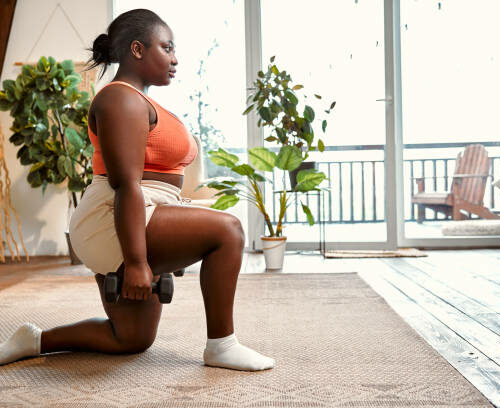
Myth 9: You don’t need exercise if you’re a healthy weight
Weight is only one measure of health. Regular physical activity benefits your heart, muscles, bones, mental well-being and overall quality of life regardless of your size.
The World Health Organisation (WHO) recommends that adults aim for at least 150 minutes of moderate-intensity physical activity each week, along with muscle-strengthening activities on two or more days.
Myth 10: If you feel fine, you don’t need regular health check-ups
Many conditions—including high blood pressure, high cholesterol and type 2 diabetes—can develop without noticeable symptoms.
Routine screenings can help detect health problems early, when treatment is often more effective. Your healthcare provider can recommend which screenings are appropriate based on your age, family history and risk factors.
The bottom line
Health myths often spread because they’re simple, familiar or widely shared online. While it’s tempting to follow popular advice, it’s always worth checking whether claims are supported by credible scientific evidence.
When in doubt, rely on trusted health organisations and speak to a qualified healthcare professional before making significant changes to your diet, exercise routine or medical treatment.
Also see: 5 common eye health myths you need to stop believing
Be the first to know – Join our WhatsApp channel for content worth tapping into. Click here to join!