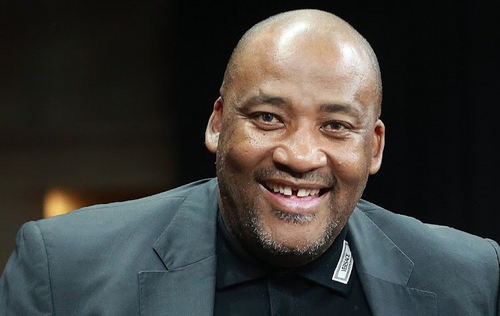
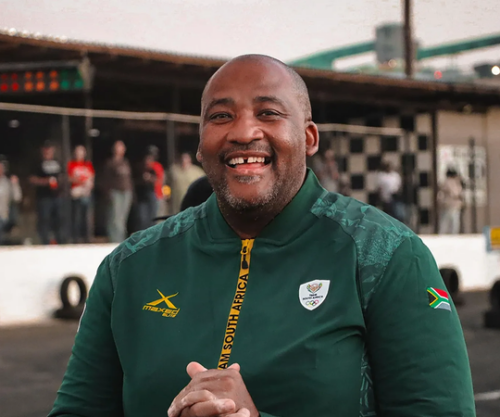
Nigerian pastor John Anosike has criticised the Sports, Arts and Culture Minister Gayton McKenzie following remarks about the reported purchase of the Good Hope Centre in Cape Town, describing the comments as xenophobic and harmful to South Africa’s investment climate.
The dispute emerged after Gayton publicly objected to the possibility of the historic venue being sold to a Nigerian pastor, suggesting that the building should not be converted into a church.
During a Facebook Live broadcast, McKenzie voiced his opposition to the reported deal and warned that the building should not become a religious facility.
“Over our dead bodies, there will be no Nigerian church,” Gayton said.
He further argued that investors from other countries should prioritise development in their own nations.
“My advice to him is to take your money and invest in Nigeria,” Gayton said.
The comments sparked backlash from John, who leads a church based in Maitland and who issued a lengthy statement responding to the minister’s remarks and clarifying his involvement in the reported acquisition of the venue.
In his statement, the pastor said the transaction followed proper legal procedures and rejected any suggestion that the process was irregular.
“The acquisition process is lawful, transparent and fully documented,” John said in the statement. He added that the process had been conducted in line with South African law and insisted that no rules had been violated.
“Every step taken in relation to this matter has been done in accordance with the laws and regulatory requirements governing property transactions in South Africa,” he said.
Also see: Shock exit looms as Gayton McKenzie vows to resign
John also raised concerns about what he described as discriminatory language directed at foreign nationals who seek to invest in South Africa.
“Statements of this nature raise serious concerns about xenophobic undertones, political intimidation, and the discouragement of lawful investment by foreign residents of South Africa,” he said.
The pastor warned that such public remarks by political leaders could undermine investor confidence and damage the country’s reputation as an investment destination.
“When political leaders publicly threaten or attempt to obstruct lawful property transactions conducted within the legal framework of the country, it sends a troubling signal to potential investors and entrepreneurs,” John said.
He further argued that South Africa’s Constitution protects lawful investment and property ownership, regardless of nationality, provided that all legal requirements are met.
“South Africa’s democratic framework is founded on principles of equality before the law, respect for property rights, and the promotion of economic activity that benefits communities and the broader economy,” he said.
John also emphasised that foreign nationals living in the country contribute to economic development and should not be subjected to discrimination or intimidation.
“Foreign residents who live, work and invest in South Africa do so under the protection of its Constitution and legal framework,” he said.
The pastor said rhetoric targeting individuals based on their nationality could inflame tensions and fuel xenophobia in communities already facing social and economic challenges.
“Language that singles out individuals because of their nationality risks deepening divisions and undermining the spirit of unity and coexistence that South Africa strives to uphold,” John said.
The Good Hope Centre is one of Cape Town’s most recognisable landmarks and has historically served as a venue for sporting events, exhibitions, conferences and community gatherings.
Questions around the building’s future have sparked public debate, particularly regarding whether the venue should remain a public events space or be repurposed for private use.
Despite reports that the pastor had secured the property, the City of Cape Town has indicated that the process surrounding the potential sale is still subject to administrative procedures and auditing processes before any transaction can be finalised.
The disagreement between Gayton and John has since reignited broader discussions around immigration, foreign investment and xenophobia in South Africa, particularly in cases where foreign nationals seek to invest in prominent local properties.
The pastor concluded his statement by urging leaders to promote responsible public discourse and protect South Africa’s reputation as a country open to lawful investment and economic participation.
“Public officials have a responsibility to promote unity, respect the rule of law and encourage an environment where lawful economic participation is welcomed rather than discouraged,” John said.
First published by African Insider
Compiled by Lisabeal Nqamqhele
Also see: Sizwe Dhlomo Accused of Mocking Gayton McKenzie Over Probe Update
Be the first to know – Join our WhatsApp channel for content worth tapping into. Click here to join!