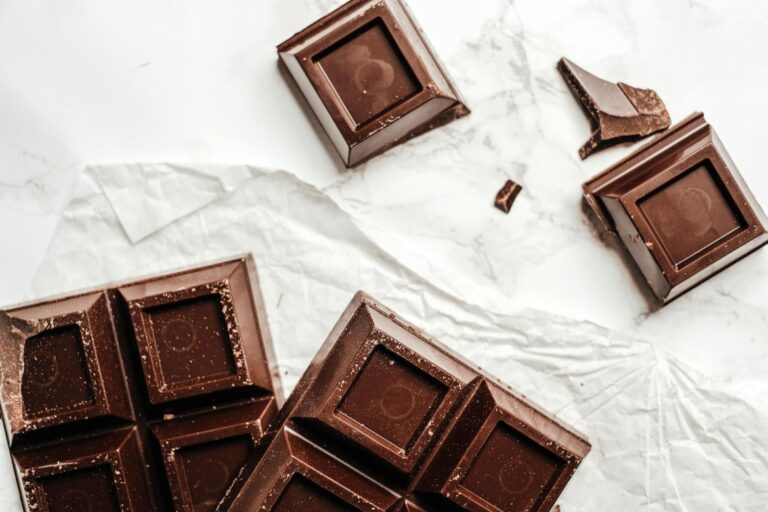
Cocoa has a far better CV than most sweet treats. Beneath the sugar and milk solids is cacao, rich in flavanols that act as antioxidants. The big question: does that translate into healthier-looking skin, or is it another beauty myth dressed up in dessert?
What the science actually shows
Several controlled trials have tested cocoa flavanols taken by mouth. A landmark randomised study found women who drank high-flavanol cocoa daily for 12 weeks showed increased resistance to UV-induced redness (a marker of photoprotection) and improvements in skin texture and hydration compared with a low-flavanol drink.
In photo-aged women, a 24-week trial reported modest gains in elasticity and wrinkles with daily cocoa flavanol intake versus placebo, reinforcing that longer use may matter.
Not every study is positive. A 12-week Nutrition Journal RCT using dark chocolate with a specified polyphenol content found no significant change in UV protection versus white chocolate, though there were small shifts in elasticity. Different flavanol doses and processing likely explain mixed results.
Taken together, oral cocoa flavanols can support hydration, elasticity and photoprotection over weeks to months, but results depend on dose and the way the cocoa was processed.
Topical cocoa: worth it?
Cocoa extracts used in skincare deliver polyphenols with antioxidant activity. Reviews of polyphenols in skin science suggest these compounds can help counter oxidative stress that breaks down collagen and elastin, but hard clinical data for cocoa-specific creams are still limited. If you enjoy a cocoa-infused formula, treat it as an antioxidant step that complements sunscreen rather than replaces it.
The dose and the details: how to choose cocoa that actually helps
Two practical points make or break the benefits:
Flavanol content: Many chocolate bars are alkalised (Dutch-processed) to mellow flavour, but alkalisation can substantially reduce flavanol levels. Where possible, pick non-alkalised cocoa powder or high-percentage dark chocolate that specifies flavanol content.
Consistency: Trials showing skin benefits typically used daily high-flavanol cocoa for 12–24 weeks. This is a long game, not a weekend fix.
A sensible target drawn from cardiometabolic research and skin trials is to use a high-flavanol cocoa powder (natural, non-alkalised) in a smoothie or porridge, or choose ≥70% dark chocolate in small portions, aiming for products that disclose flavanol milligrams per serving when available.
What about acne and chocolate?
Chocolate itself is not singled out as a proven acne trigger in dermatology guidance. Diets with a high glycaemic load and certain dairy patterns show stronger associations with acne than cocoa does, so a sugary milk-chocolate habit may be unhelpful for reasons unrelated to cocoa. Keep portions small, pick darker chocolate, and keep your overall diet low in ultra-processed sugars.
How to fold cocoa into a skin-smart routine
Start with your fundamentals: daily broad-spectrum SPF, gentle cleansing, a moisturiser that suits your skin, and targeted actives like vitamin C or retinoids as needed. If you want to add cocoa, do it in two ways:
Inside: 1 teaspoon of natural (non-alkalised) cocoa powder in oats or a smoothie, or a small square of ≥70% dark chocolate, most days. Stay mindful of calories and sugar.
Outside: If you enjoy a cocoa-infused serum or mask, apply after cleansing and before moisturiser in the morning or evening, but keep expectations realistic and sunscreen non-negotiable.
Who should be cautious?
If you are sensitive to caffeine or theobromine, keep portions modest. For pigmentation-prone skin, remember oral flavanols do not replace sun protection; they are an adjunct to SPF, hats and shade. If you have acne and notice flares with sweet milk chocolate, switch to darker options or stick to unsweetened cocoa.
Cocoa flavanols are more than a feel-good story. Human trials show small but real skin benefits with regular, adequately dosed, high-flavanol cocoa, while topical cocoa sits in the broader antioxidant camp with promising but limited clinical proof. Think of cocoa as a nice-to-have booster alongside the basics, not a shortcut. If you are choosing between milky chocolate and a spoonful of non-alkalised cocoa with breakfast, your skin will likely thank you for the latter.
Compiled by Jade McGee
First published on Woman & Home
Also see: Mihlali Ndamase’s Skin Breakout Sparks Mixed Reactions Online