
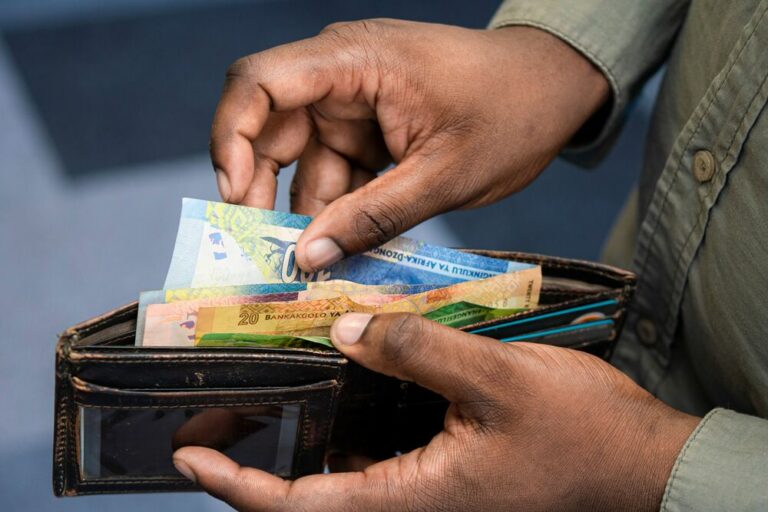
Getting your first salary is an exciting milestone. After years of studying, training or searching for work, seeing money land in your bank account can feel like financial freedom. But without a plan, your first few salaries can disappear quickly.
Also see: 10 Money Mistakes Young South Africans Make Before 30
Here are some money mistakes to avoid when you start earning.
Spending everything on payday
It is tempting to celebrate your first salary by buying new clothes, upgrading your phone or eating out. While treating yourself is fine, spending too much immediately can leave you struggling before the next payday.
According to The Citizen, creating a budget and building an emergency fund are important steps when managing your first salary.
Instead, decide how much you can spend on entertainment after covering your essentials and savings.
Not having a budget
A salary can seem generous until you start paying for transport, groceries, rent, data and other expenses.
Create a simple monthly budget that shows your income, essential expenses, debt repayments, savings and spending money. Moneyweb recommends looking at your actual spending to understand where your money is going.
A budget can also help you identify unnecessary expenses.
Taking on unnecessary debt
Your first salary may make you eligible for credit cards, store accounts and personal loans. Having access to credit does not mean you can afford everything.
The Financial Sector Conduct Authority (FSCA) advises consumers to understand the costs and affordability of credit before borrowing.
Before taking on debt, consider whether you genuinely need the purchase and whether you could comfortably afford the repayments.
Ignoring emergency savings
Unexpected expenses can happen at any time. Without savings, you could be forced to rely on credit when your car needs repairs, your phone breaks, or another urgent expense comes up.
Smart About Money recommends starting an emergency fund from your first salary. You do not have to save a huge amount immediately. Even a small, consistent contribution can help you develop the habit.
Also see: Money mistakes to avoid in a marriage
Increasing your lifestyle too quickly
Getting your first job does not mean you need to immediately upgrade every part of your lifestyle.
A more expensive apartment, car payments, subscriptions and frequent restaurant visits can quickly become fixed expenses.
The Western Cape Government has encouraged consumers to build financial resilience by saving consistently and avoiding impulsive spending.
Give yourself time to understand your new financial position before making major lifestyle changes.
Forgetting about the future
Retirement may seem far away when you are starting your career, but starting early can give your savings more time to grow.
Smart About Money recommends considering long-term savings and retirement planning from your first salary where possible.
Feeling pressured to support everyone
Your first salary may come with expectations from family or friends. Helping others can be meaningful, but you should not commit to financial support that leaves you unable to meet your own needs.
Set an amount you can realistically afford and include it in your budget.
Ultimately, your first salary is an opportunity to build good financial habits. Know what you earn, track where it goes, save consistently and be cautious about debt. These habits can help you make the most of your income as your career grows.
Also see: Money mistakes to not make in your 20s
Be the first to know – Join our WhatsApp channel for content worth tapping into. Click here to join!