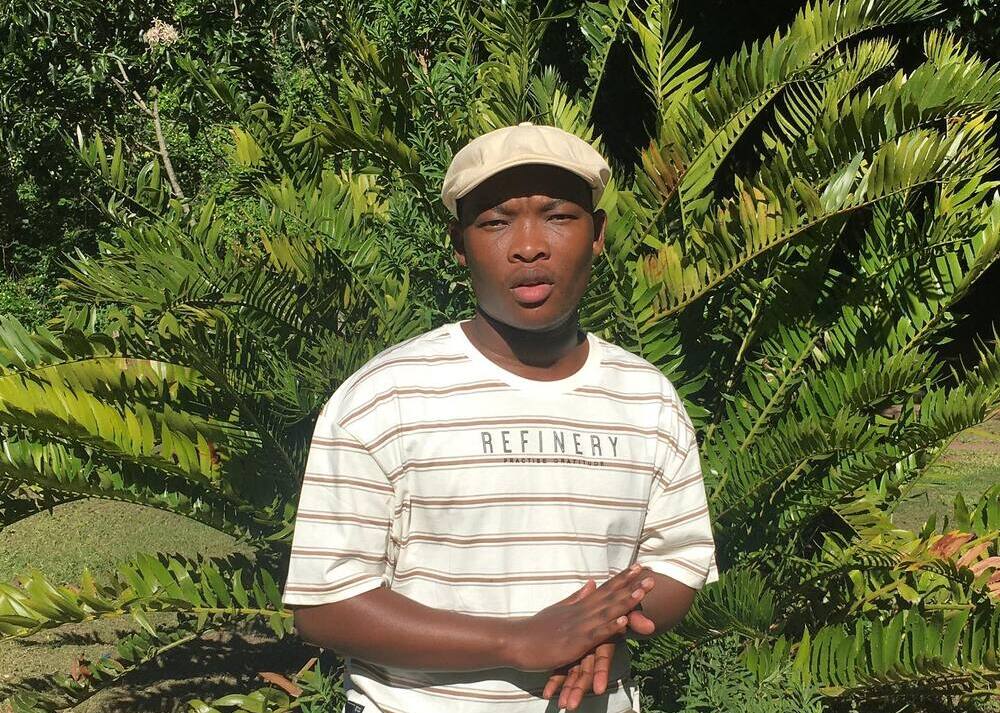
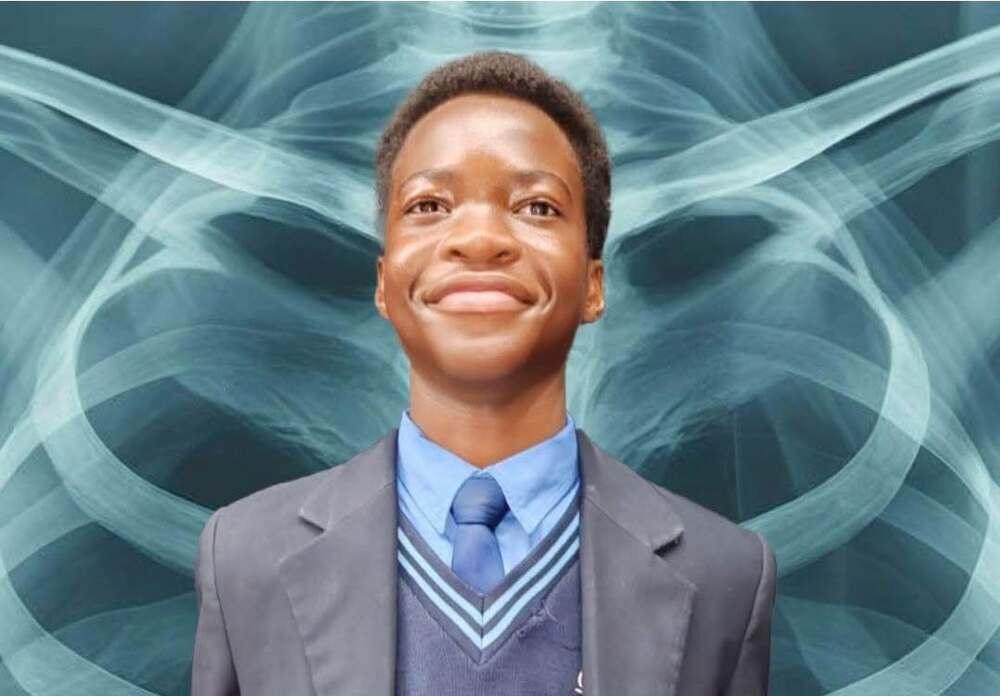
At just 14, Curro Mahikeng Grade 9 learner Brandon Mashandudze is gaining international recognition for research exploring how artificial intelligence (AI) could contribute to the early detection of lung cancer.
Also see: Effective tips for keeping your lungs healthy
Brandon has been named an American Lung Cancer Scholar through the Lung Cancer Innovation Challenge, an international competition organised by the American Lung Association’s Lung Cancer Screening Initiative.
His achievement places a spotlight on the potential of young South African innovators to contribute fresh ideas to some of the world’s most pressing health challenges.
Exploring AI’s role in early lung cancer detection
Brandon’s research proposal examines how AI and digital health technologies could potentially support lung cancer prevention, identify risks earlier and enable more personalised assessments.
Rather than focusing solely on the treatment of lung cancer, his proposal looks at how technology could assist healthcare professionals in identifying potential risks at an earlier stage.
“AI isn’t here to replace doctors. It can be a tool to help doctors look at information and possibly identify things earlier,” Brandon said.
Also see: Genetic clues could expose prostate cancer before it strikes
Mahikeng Teen, 14, Earns International Recognition for AI Lung Cancer Research
A 14-year-old Grade 9 learner from Curro Mahikeng, Brandon Mashandudze, has been named an American Lung Cancer Scholar for his research proposal exploring how artificial intelligence (AI) could improve the early detection of lung cancer.
Mashandudze received the recognition through the Lung Cancer Innovation Challenge, an international competition organised by the American Lung Association’s Lung Cancer Screening Initiative. The programme invites middle and high school learners to develop innovative projects focused on lung cancer awareness, screening and early detection.
His proposal explored how AI and digital health technologies could support lung cancer prevention, identify potential risks earlier and enable more personalised risk assessments.
To develop his research, Mashandudze independently studied oncology, epidemiology, machine learning and biostatistics, going beyond the subjects covered in the Grade 9 curriculum. He also refined his proposal through several rounds of revision.
His certificate, issued in association with a Harvard Medical School educational programme, was signed by Dr Chi-Fu Jeffrey Yang, a thoracic surgeon at Massachusetts General Hospital and an associate professor of surgery at Harvard Medical School. It recognised Mashandudze’s outstanding participation and dedication to advancing lung cancer research.
“AI isn’t here to replace doctors. It can be a tool to help doctors look at information and possibly identify things earlier,” Mashandudze said.
He explained that the project gradually developed into something more than a school assignment, becoming a genuine research investigation. He also hopes his achievement will encourage other young people to explore research opportunities rather than wait until they are older.
Curro Mahikeng executive head Janita Maritz described Mashandudze as hardworking, humble and curious. His physical sciences teacher, Miss Tshireletso Pitso, supported him with his research methodology and the presentation of his findings.
The school said it was proud to see his work receive international recognition.
The achievement adds to Mashandudze’s growing list of science and innovation accolades.
In 2025, he won a silver medal and the Junior AI for Impact Award at the Eskom Expo International Science Fair, following his regional gold medal and Best Project in Social Sciences award.
In 2026, he received the Best Innovation award and a Cell C Top Project Award at the Ngaka Modiri Molema Regional Science Fair. He later earned a bronze medal at the Eskom Expo for developing a mathematical model aimed at identifying optimal filtration points in municipal water networks.
His latest recognition highlights the potential of young South African innovators to contribute to research addressing real-world challenges.
— MDN NEWS (@MDNnewss) October 18, 2026
Going beyond the Grade 9 curriculum
To develop his proposal, Brandon independently explored subjects including oncology, epidemiology, machine learning and biostatistics — areas extending well beyond what is typically covered in the Grade 9 curriculum.
He also refined his research through several rounds of revision as he developed his ideas and strengthened his proposal.
What initially began as a school assignment eventually developed into a research project he described as a genuine investigation.
A growing list of science achievements
The American Lung Cancer Scholar recognition adds to Brandon’s growing list of science and innovation accolades.
In 2025, he won a silver medal and the Junior AI for Impact Award at the Eskom Expo International Science Fair. He had previously earned a regional gold medal and the Best Project in Social Sciences award.
In 2026, Brandon received the Best Innovation Award and a Cell C Top Project Award at the Ngaka Modiri Molema Regional Science Fair.
He later earned a bronze medal at the Eskom Expo for developing a mathematical model aimed at identifying optimal filtration points in municipal water networks.
Featured image: Facebook/Curro Mahikeng
Also see: Zoleka Mandela reveals her lungs have blood clots and fibrosis
Be the first to know – Join our WhatsApp channel for content worth tapping into. Click here to join!