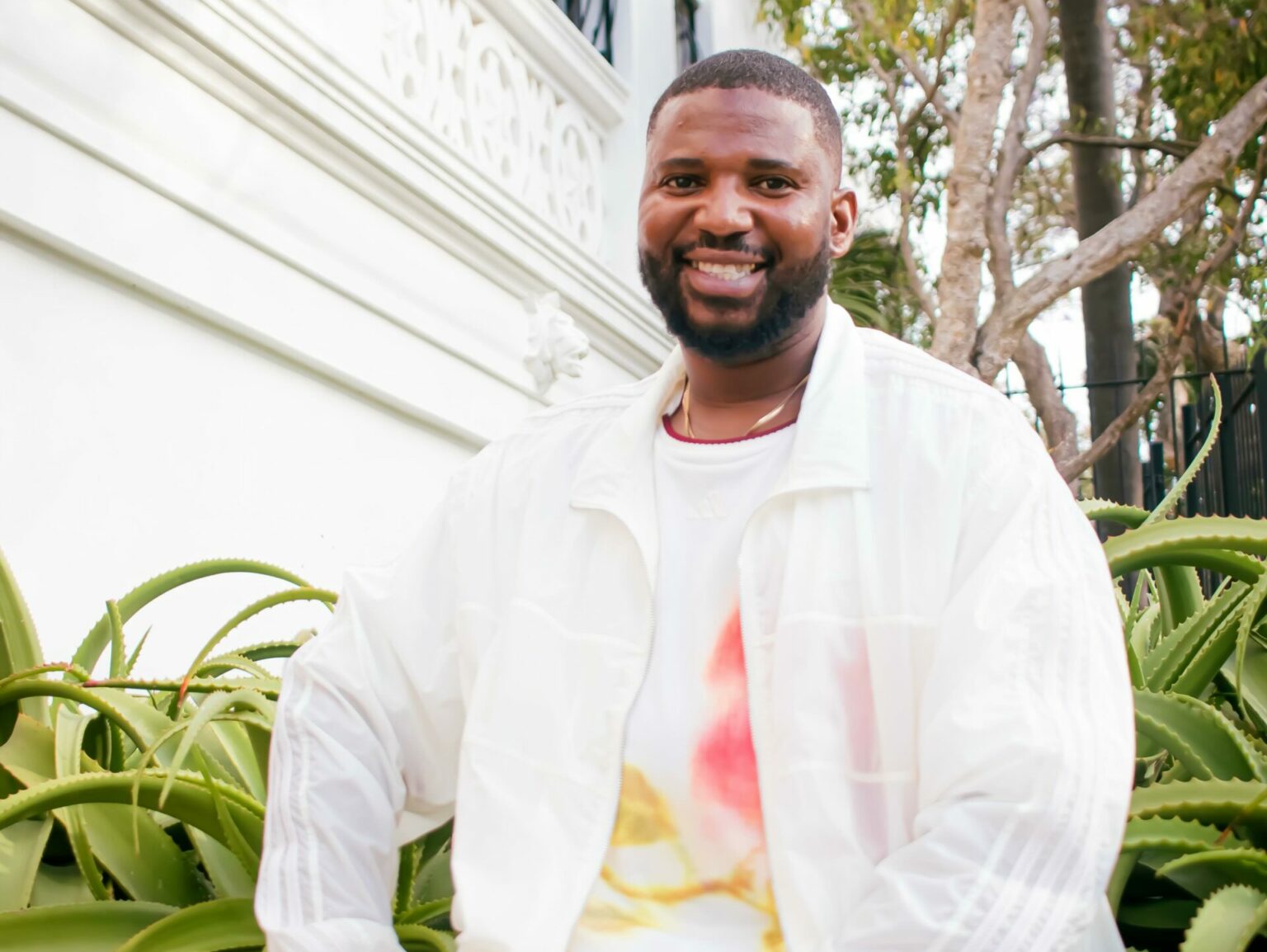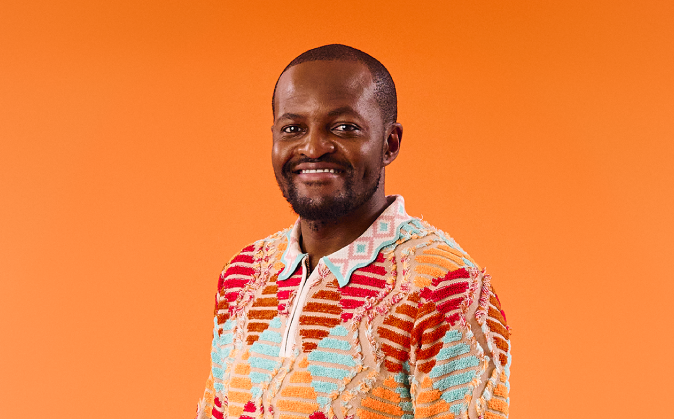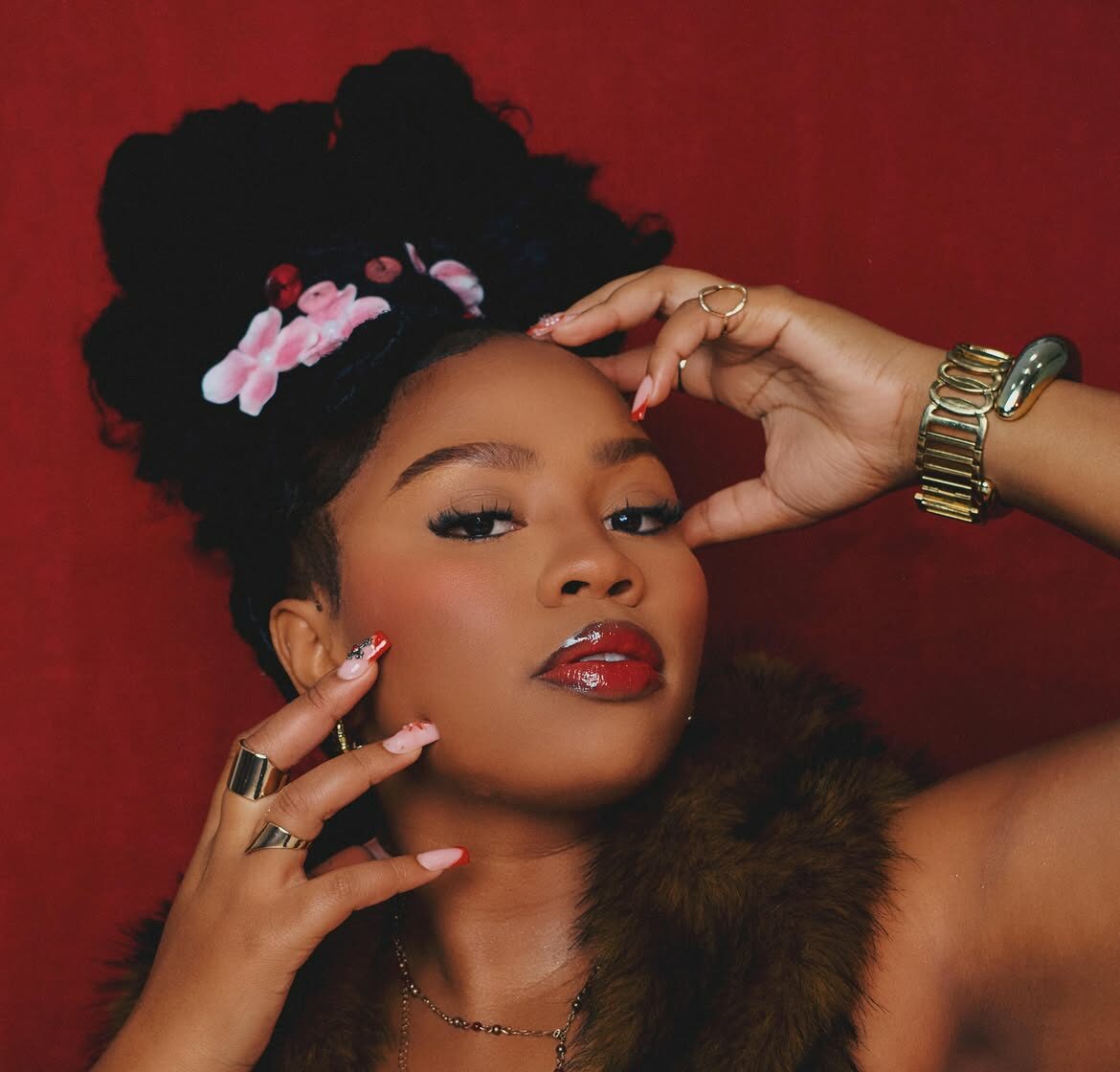
For decades, people have used labels such as Baby Boomers, Generation X, Millennials, and Generation Z to explain differences in attitudes, lifestyles, technology use, and workplace behaviour.
These labels can be useful for describing broad demographic trends, but they become problematic when they are used to explain individual people.
Also see: The rise of women choosing a child-free life
In today’s rapidly changing world, comparing generations as if each one has a single personality, work ethic, or set of values is increasingly difficult to justify.
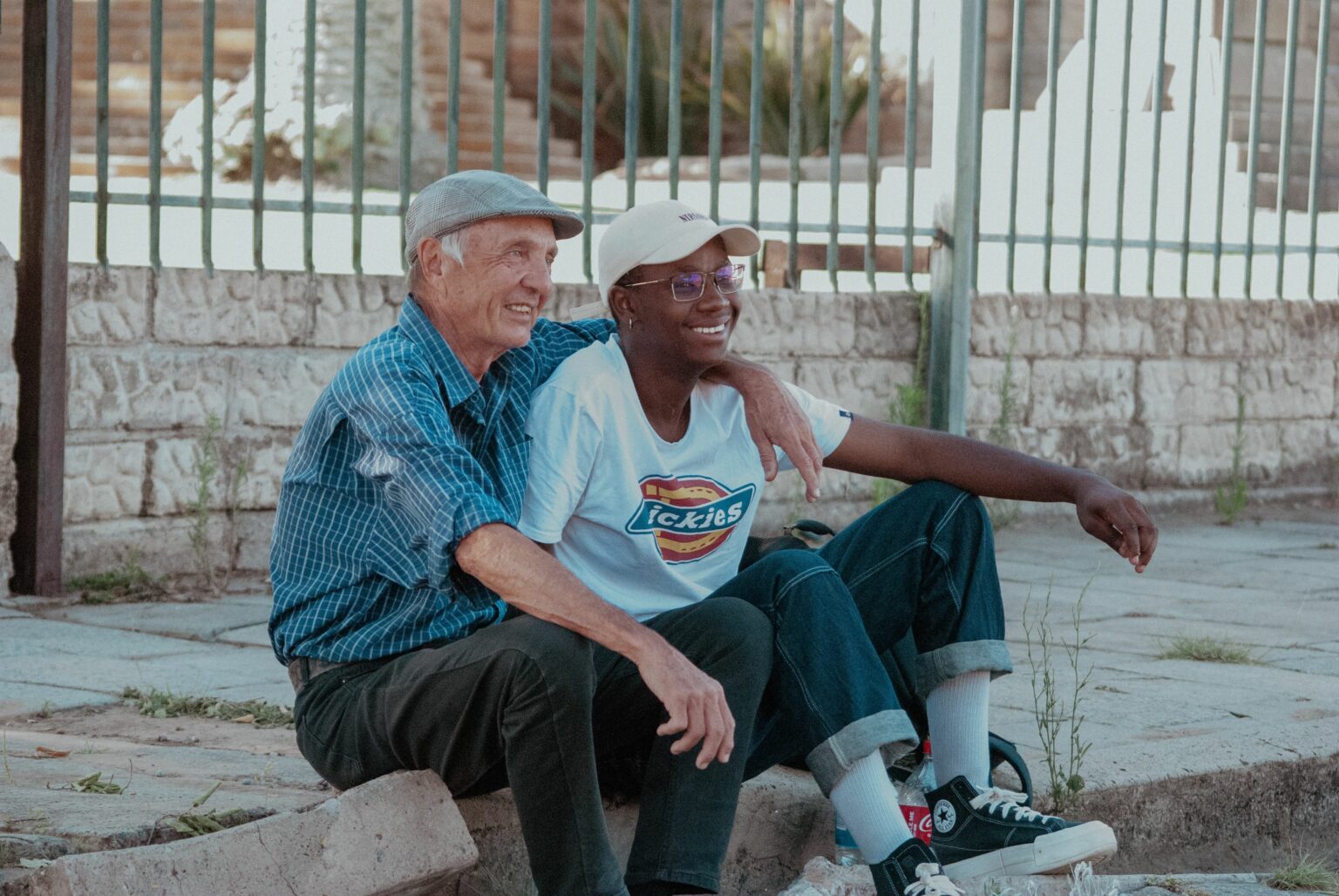
People born in the same period can have dramatically different experiences, while people from different generations may have remarkably similar goals and beliefs.
The problem is not necessarily that generations do not exist. It is that generational labels are often treated as explanations when they are only one possible way of describing a population.
Generations are more diverse
Generations tend to differ from period to period; people may grow up under very different economic, cultural, technological, and political conditions.
Research from Pew Research Centre has shown that even people within the same generation can have substantially different formative experiences.
Someone born at the beginning of a generational category may have a childhood and adolescence that look very different from someone born near its end.
Consider technology: people who were born in the early 1980s remember a childhood without widespread internet access, while someone born near the end of the same broad generation may have encountered the internet much earlier.
This also applies to education, family structure, income, geography, ethnicity, and access to technology. Researchers call this an age or life-cycle effect.
Faster-changing world
Technology, artificial intelligence, remote work, social media, economic uncertainty, education, and cultural expectations all contribute to transforming people’s lives within just a few years. People born years apart may have experienced completely different technological environments during childhood and early adulthood.
This is the same with major events such as a recession, pandemic, war, or technological breakthrough. All can affect people of several generations simultaneously.
Also see: Ways to nurture your friendships when life gets busy
Misleading generational stereotypes
The popular culture surrounding generations often turns broad statistical observations into stereotypes.
Psychology Today explains that older generations may be described as resistant to technology, while younger generations may be portrayed as impatient, entitled, distracted, or unwilling to work hard. Similar stereotypes have long been applied to different generations in the workplace.
Psychologists studying age diversity have noted that conventional descriptions of generations can be misleading because they assume that millions of people share the same characteristics simply because they were born during a particular period.
A person’s birth year cannot tell you whether they are hardworking, ambitious, loyal, creative, or resistant to change.
Those characteristics are influenced by many factors, including personality, education, family background, or economic circumstances.
Comparing generations no longer makes sense when the comparison assumes that millions of people born during the same period share a single identity, work ethic, worldview, or personality.
People are shaped by far more than their birth year.
Also see: Lifestyle hacks to help prepare for a smooth transition into spring
Featured image: Pexels
Be the first to know – Join our WhatsApp channel for content worth tapping into. Click here to join!