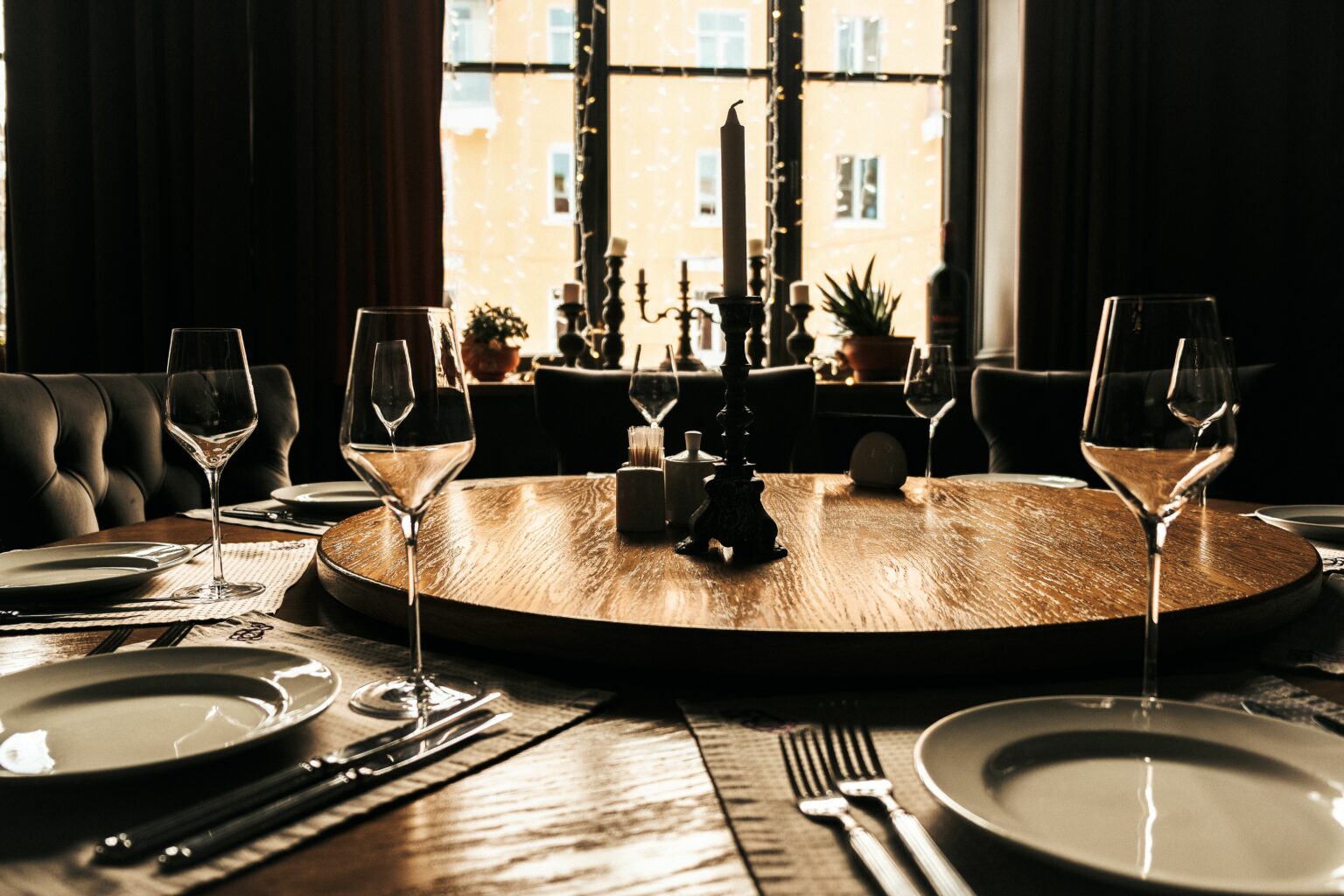
Fine dining is often imagined as white tablecloths, formal dress, elaborate dishes and highly choreographed service.
But while this traditional image may be fading, the art of fine dining itself is far from dead. Instead, it is evolving to reflect changing tastes, cultures and expectations.
Also see: Cooking habits that are making your food less nutritious
Going to a great restaurant was not simply about eating well; it was about entering another world.
Today, however, that world seems increasingly uncertain. Restaurants face rising food and labour costs, changing consumer expectations, staffing challenges and growing competition from casual, fast-casual and delivery businesses.
At the same time, diners appear less interested in formality for formality’s sake.
So, has the art of fine dining been lost? Not exactly. But it has evolved.
The end of formality?
The traditional fine-dining model depended heavily on ritual. A meal could last several hours, with precisely choreographed service and elaborate courses.
Modern diners increasingly want restaurants to feel welcoming rather than intimidating. According to research from The National Restaurant Association, consumers increasingly define ‘value’ as more than simply getting a cheaper meal.
This suggests that the problem is not that people have stopped caring about fine dining. Rather, they have become more demanding about what makes an experience valuable.
A stiff waiter, an unnecessarily complicated menu and a dining room designed to make guests feel inferior are no longer automatically interpreted as signs of sophistication.
Also see: 5 Ways to build a healthy relationship with food
The economic dynamic changes
There is less of a romantic explanation for the changes in fine dining than the fact that it is expensive to operate.
Restaurants that offer elaborate food and highly personalised table service require skilled chefs, servers, sommeliers, managers and other specialists.
Labour costs are high, while ingredients, rent, insurance and utilities continue to put pressure on restaurant margins. Customers are also wary about where they spend their money, choosing to go to less expensive places.
The National Restaurant Association also identified rising food and labour costs, inflationary pressures and employee recruitment and retention as major challenges facing restaurants.
So, is the art lost? No. It has simply stripped back its essentials.
Also see: Easy plating tricks to make your food look more appetising
Featured image: Pexels
Be the first to know – Join our WhatsApp channel for content worth tapping into. Click here to join!