
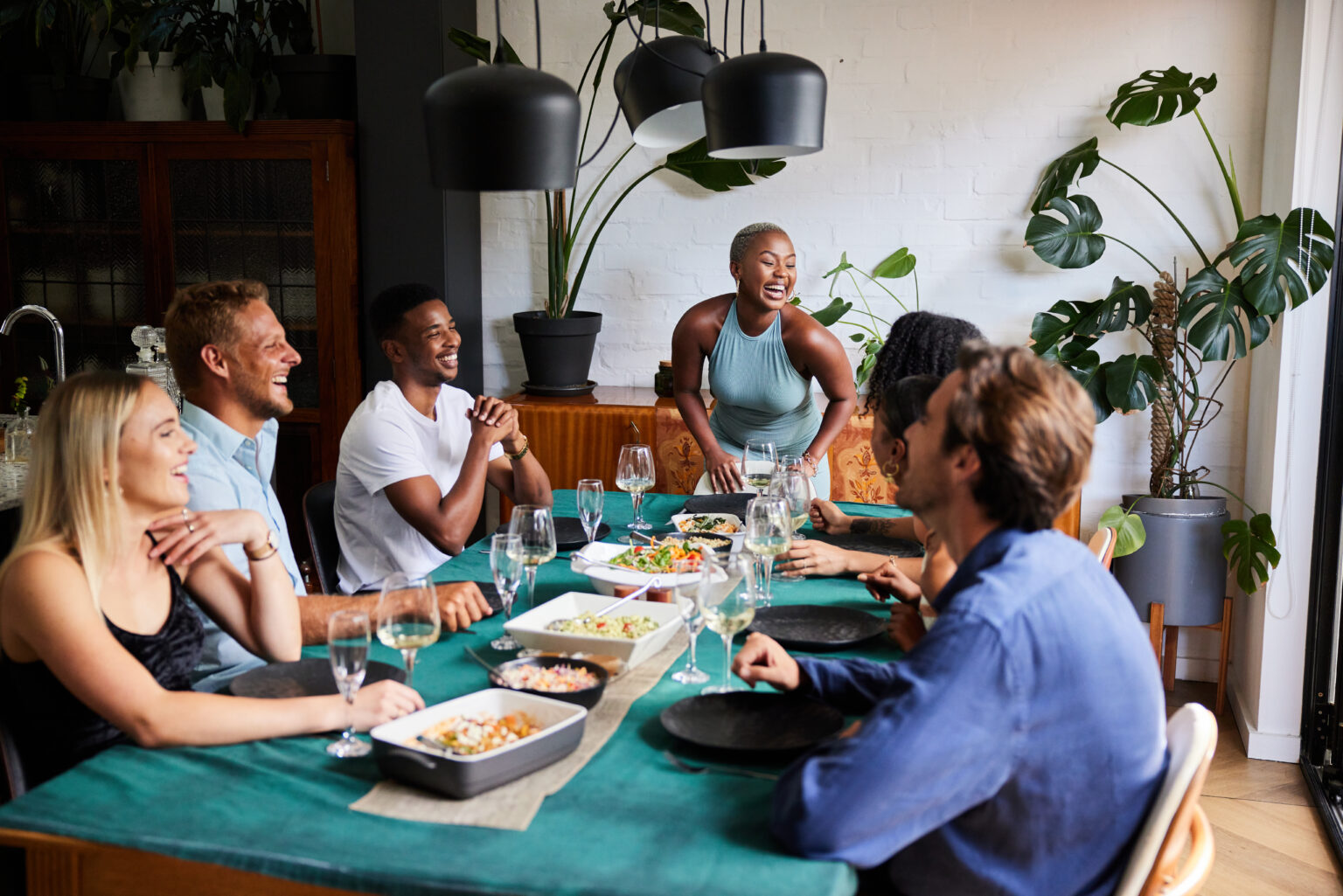
Between skyrocketing menu prices, mandatory service charges, and noisy, crowded venues, South Africans are officially experiencing restaurant fatigue.
Also see: 7 Signs your relationship with food could use a reset
The weekly ritual of booking a table at the latest trendy hotspot is losing its appeal as economic pressures force diners to be far more intentional with their discretionary spend.
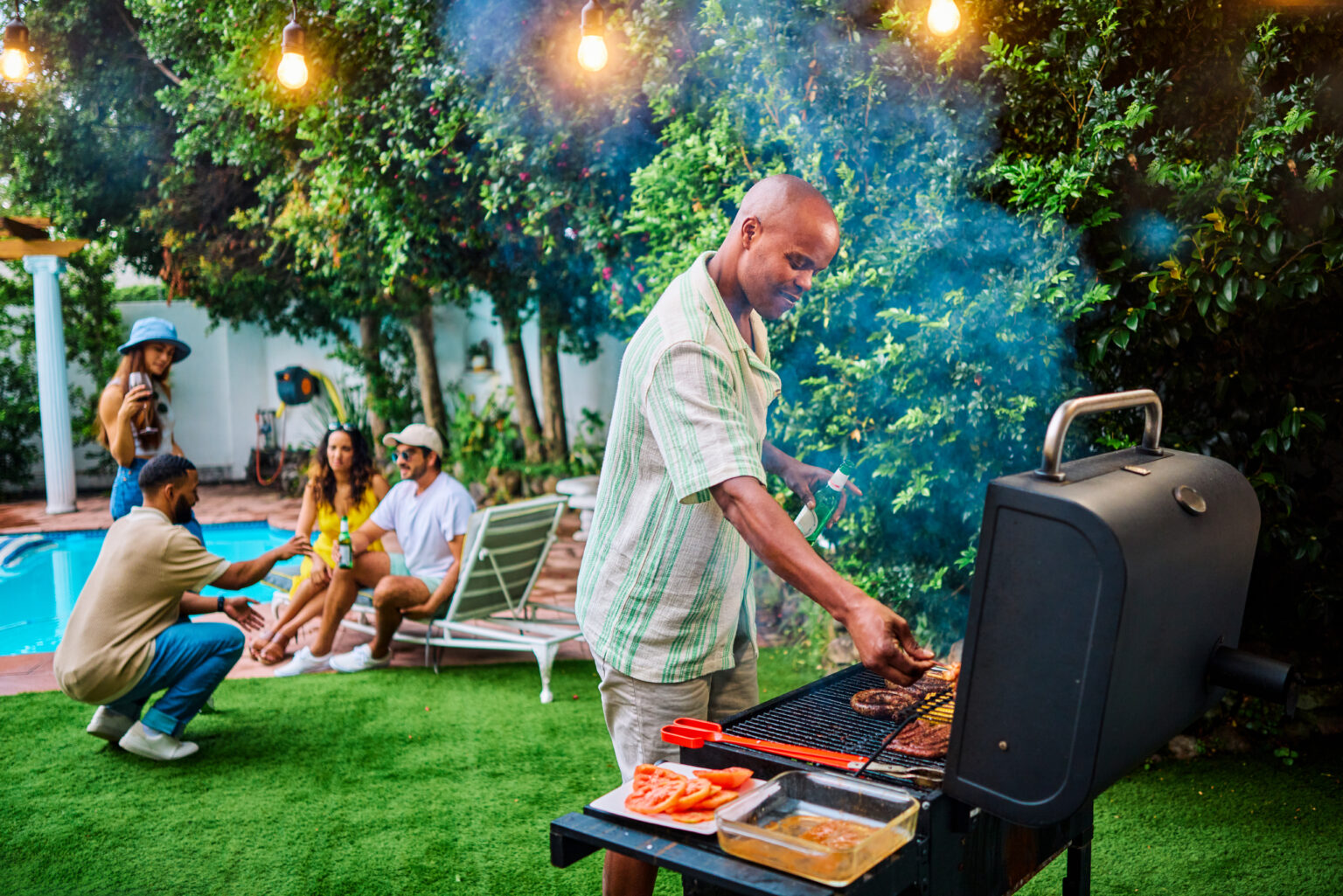
In response, Mzansi is embracing a major lifestyle shift: the ‘home-host’ era. Rather than dropping thousands of rands on small portions and rushed service, locals are reclaiming their weekends by turning their dining rooms and backyards into curated, intimate culinary spaces.
When dining out loses its value
A quick look at a standard restaurant bill explains why consumer behaviour is pivoting. Over the past year, the cost of sit-down dining in major hubs like Johannesburg and Cape Town has soared, driven by operational overheads, food inflation, and rising beverage prices.
The markup trap
Paying marked-up retail prices for wine, cocktails, and mains means a basic dinner for two can easily top R1,000 before tipping, often for meals that don’t match the price tag.
Noise vs connection
Loud acoustics, cramped seating, and strict table-turn times leave little room for genuine conversation, prompting many to ask if the commercial atmosphere is worth the cost.
Also see: 5 Simple ways to include more fibre in your diet
Curated comfort over commercial hype
This shift goes far beyond a casual weekend braai, as young hosts transform home entertaining into a creative art form. The modern dinner party now features elevated tablescapes, handwritten menus, and curated themes that bring restaurant-level aesthetics straight into domestic dining rooms.
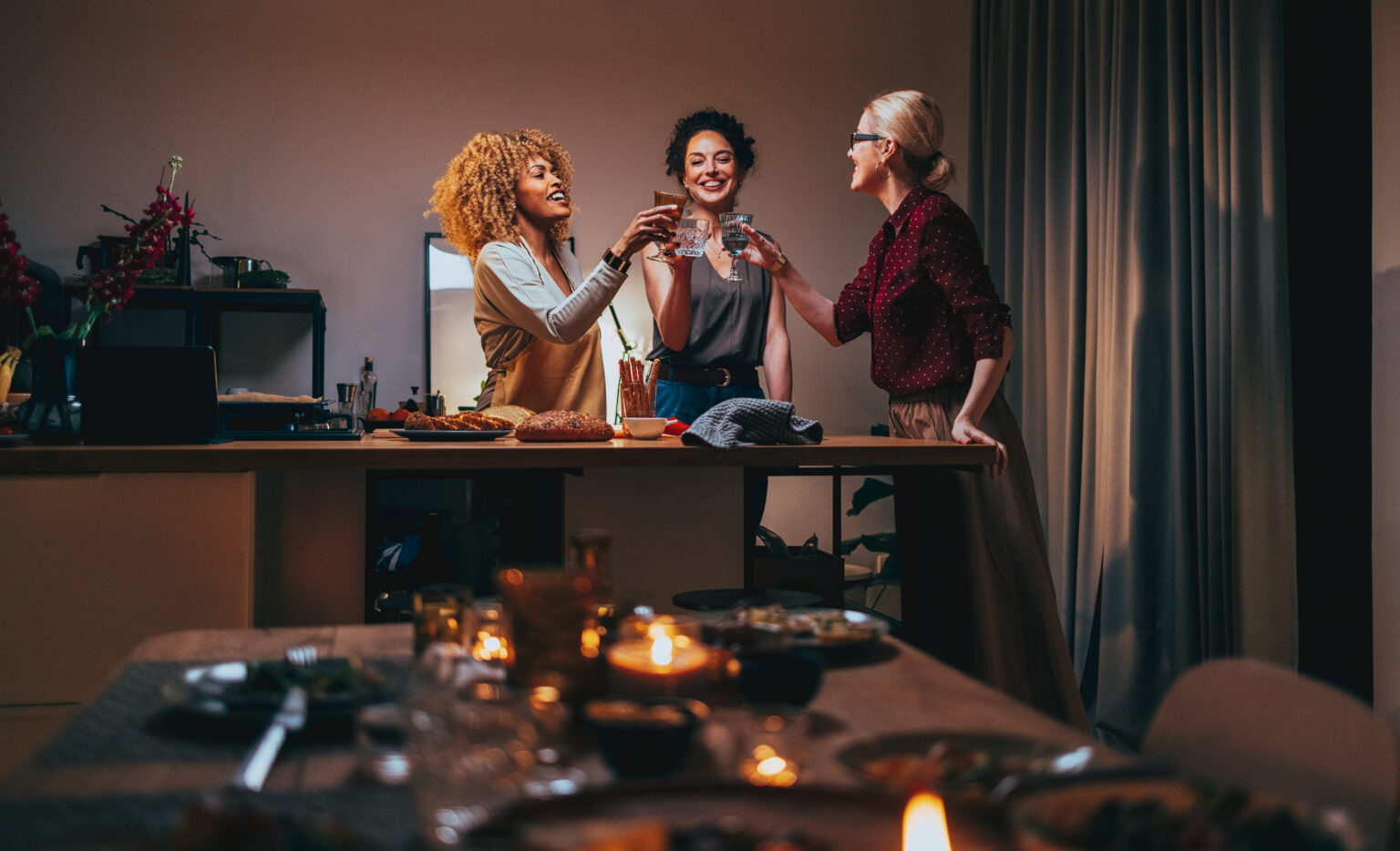
To keep costs manageable, the classic potluck has been modernised into a “BYO-Gourmet” style where guests contribute artisanal wines, premium ingredients, or specialised dishes to elevate the collective menu.
Crucially, hosting at home grants total control over the playlist, lighting, and seating time, fostering an intimate space focused entirely on genuine connection rather than commercial turnover.
A permanent shift in local food culture
While commercial restaurants will always have a place for major celebrations, the day-to-day social rhythm of Mzansi is shifting inward. The home-host era proves that memorable food experiences don’t require an overpriced bill, just good food, thoughtful effort, and great company around a private table.
Also see: Here’s why olives deserve a spot on your plate
Be the first to know – Join our WhatsApp channel for content worth tapping into. Click here to join!