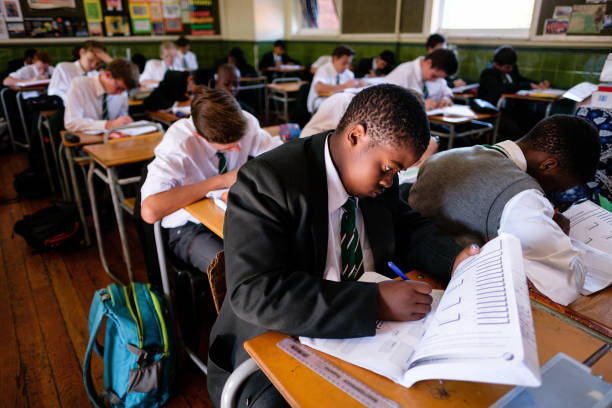
For many South African teenagers, matric is regarded as the most important year of their school career. It is a year filled with examinations, university applications, career decisions and expectations about the future.
While these pressures are not new, modern-day matriculants face an increasingly complicated set of challenges. Academic demands are now combined with social media pressure, economic uncertainty, family expectations and concerns about mental health.
Also see: IEB matric results dip slightly in 2025
Academic pressure and the fear of failure
One of the greatest pressures facing matriculants is the expectation to achieve excellent results. The National Senior Certificate is often viewed as the gateway to university, employment and a better future. This can make learners feel that their entire future depends on their final examination marks.
The Department of Basic Education reported that approximately 778,000 full-time learners were enrolled in Grade 12 in 2025.
It also noted that progression becomes particularly difficult between Grades 10 and 12, with about 78% of learners progressing from Grade 11 to Grade 12.
The pressure can become even greater when learners compare themselves with classmates, siblings or high-achieving peers.
Parents and teachers may have good intentions when encouraging learners to work harder, but excessive expectations can cause anxiety and make young people associate their self-worth with their academic performance. Psychologists have highlighted fear of failure, high expectations, time constraints and concerns about inadequate preparation as factors that can contribute to examination-related stress.
Pressure to decide on the future
Matriculants are also expected to make major decisions about their futures at an age when many are still discovering who they are.
They may have to choose university courses, colleges, learnerships or careers while simultaneously preparing for final examinations. This decision-making is particularly difficult in South Africa because academic qualifications do not guarantee employment.
Statistics South Africa reported that youth unemployment increased from 36.8% in 2014 to 45.5% in 2024, while 43.2% of young people were not in employment, education or training in 2024.
Consequently, a matriculant may worry not only about passing but also about whether the qualification they pursue will lead to a stable career.
Also see: University placement shortage leaves thousands of matriculants in limbo
Social media and comparison
Today’s matriculants experience much of their social lives online. Platforms such as Instagram and TikTok can provide entertainment, communication and support, but they can also create pressure to appear successful and happy.
Social media exposes teenagers to carefully curated images of other people’s lives. Learners who are already worried about marks, appearance, or the future may constantly compare themselves with classmates who seem to be achieving more.
Mental health challenges
All these pressures can affect learners’ emotional well-being. Stress before examinations is normal, but persistent anxiety, hopelessness, isolation, sleep problems or dramatic changes in behaviour should not simply be dismissed as part of being a matriculant. The pressure surrounding matric results can continue even after the examinations.
By recognising the pressures young people face, you as a parent can help them approach matric not with fear, but with confidence, resilience and hope for the future.
Also see: Mzansi stars who celebrated their children’s matric success
Featured image: Getty Images/Leon Neal
Be the first to know – Join our WhatsApp channel for content worth tapping into. Click here to join!