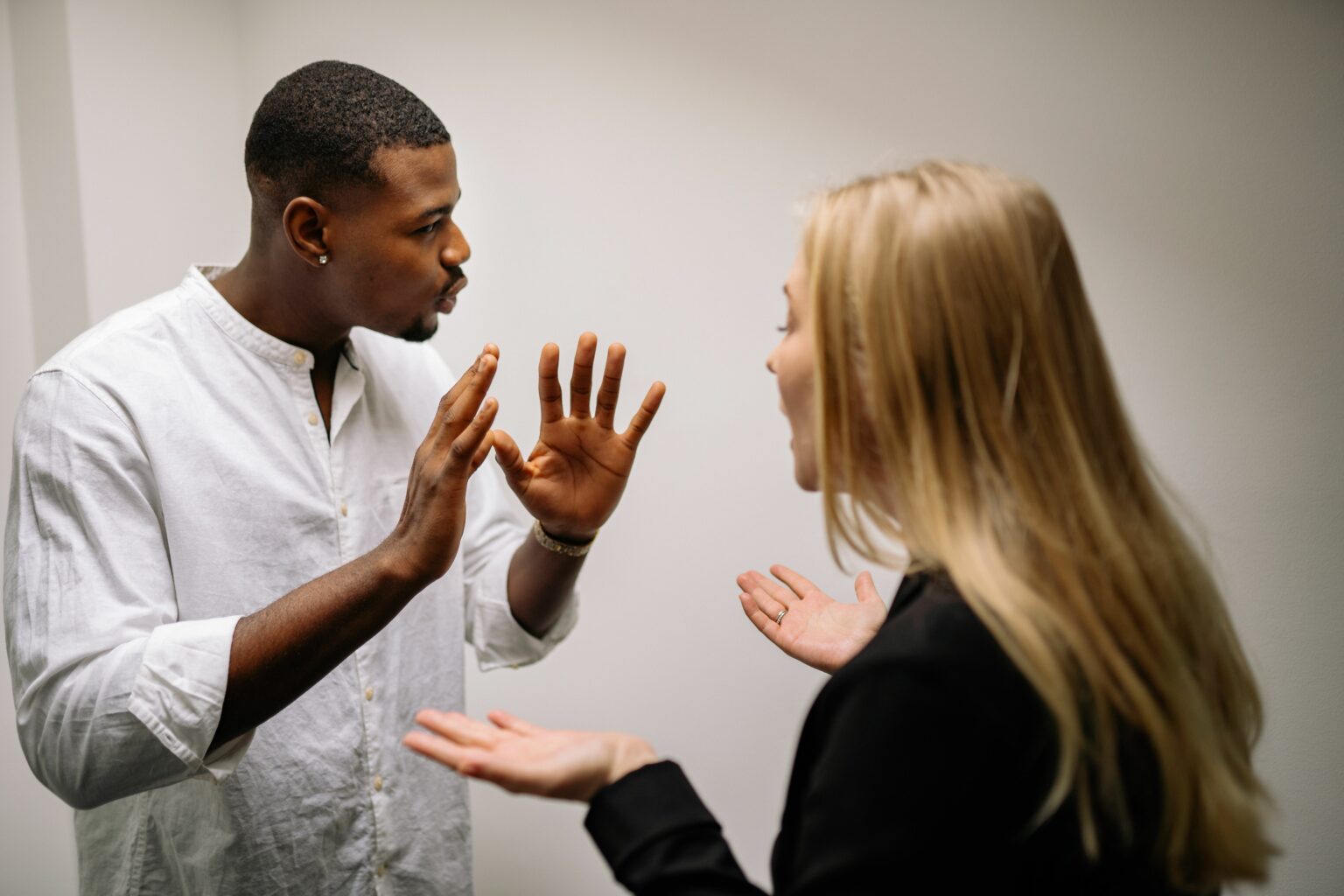
Love and relationships should be built on trust, respect, and safety. However, abuse does not always begin with obvious violence.
In many cases, it starts with small behaviours that gradually become patterns of control, fear, or emotional harm. Recognising the warning signs can help you better understand what is happening and seek support when needed.
Violence against women is classified as a human rights violation that takes place every single day around the country.
Women’s Advocate says, “Globally, one in three women experiences physical or sexual violence, mostly by an intimate partner. While domestic violence and abuse are sometimes hidden, if we know the signs of an abusive relationship, we may be able to recognise it better and seek or offer help.”
Also see: Top 5 reasons why psychological safety is crucial in relationships
It is important as a woman to know the common signs of abuse.
They try to control your life
A healthy partner respects your independence. An abusive partner may try to control who you see, where you go, what you wear, how you spend money, or how you make decisions.
Examples include:
- Demanding to always know your location.
- Checking your phone, messages, or social media without permission.
- Controlling access to money or financial decisions.
- Preventing you from seeing friends or family.
Control is often presented as ‘love’ or ‘protection,’ but controlling behaviour can be a sign of an unhealthy and unsafe relationship.
Your partner puts you down
Emotional abuse can be difficult to recognise because it may not leave physical marks. A partner who repeatedly insults you, humiliates you, mocks your feelings, or makes you feel worthless may be using emotional abuse to weaken your confidence and gain power over you.
Pay attention if you frequently hear statements like:
- “You’re too sensitive.”
- “Nobody else would put up with you.”
- “Everything is your fault.”
Ignoring your boundaries
Everyone has the right to make decisions about their own body, privacy, and personal choices. A partner may pressure you into things you do not want. These can include sexual activity or crossing important boundaries. Respect means accepting “no” without punishment, anger, or manipulation.
Also see: Financial red flags in romantic relationships
They isolate you from support
Isolation is a common pattern in abusive relationships. A partner may slowly try to separate you from people who care about you so that you become more dependent on them.
They may:
- Criticise your friends and family.
- Create conflicts when you spend time with others.
- Make you feel guilty for having a life outside the relationship.
You constantly feel afraid
A relationship should not make you feel like you have to carefully choose your words or actions to avoid your partner’s reaction.
Warning signs may include:
- Intimidation or threats
- Breaking objects to scare you
- Threatening harm to you, themselves, children, or pets
- Making you feel responsible for their anger
Fear is not a normal part of love.
The Women’s Advocate team also says that abuse is not only physical. It can include emotional, verbal, sexual, financial, and psychological behaviours. The central pattern is often one person trying to gain power and control over another.
Also see: Navigating relationships with in-laws
Featured image: Pexels
Be the first to know – Join our WhatsApp channel for content worth tapping into. Click here to join!