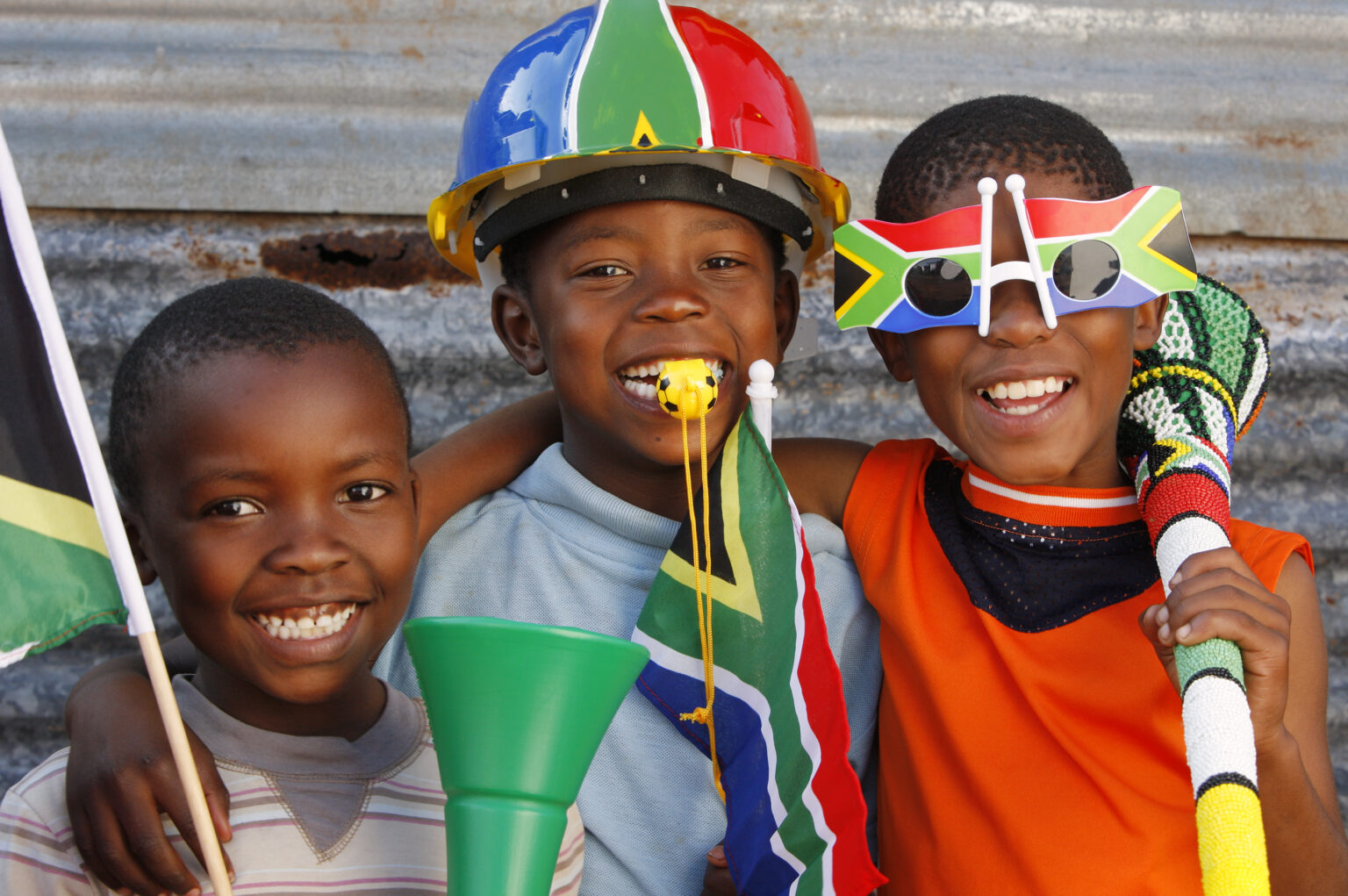
Every September, South Africa turns up the volume on its rich cultural mosaic. Heritage Month brings a colourful flurry of traditional attire, traditional music, and braai fires across the country.
Also see: HERITAGE DAY BRAAI SALADS TO TRY WITH INDIGENOUS INGREDIENTS
Yet, when October rolls around, and the banners are taken down, a persistent and quiet crisis remains: the digital marginalisation of South Africa’s indigenous languages.
In an increasingly digitised world driven by artificial intelligence, search engines, and automated voice recognition, languages that do not exist online risk functional extinction.
The digital language divide
While South Africa proudly recognises 12 official languages, including South African Sign Language (SASL), the digital landscape tells a starkly different story. English dominates the internet, online education, e-commerce, and software interfaces.

When indigenous languages like isiNdebele, Tshivenḓa, Xitsonga, or Siswati are excluded from digital infrastructure, native speakers face a double disadvantage.
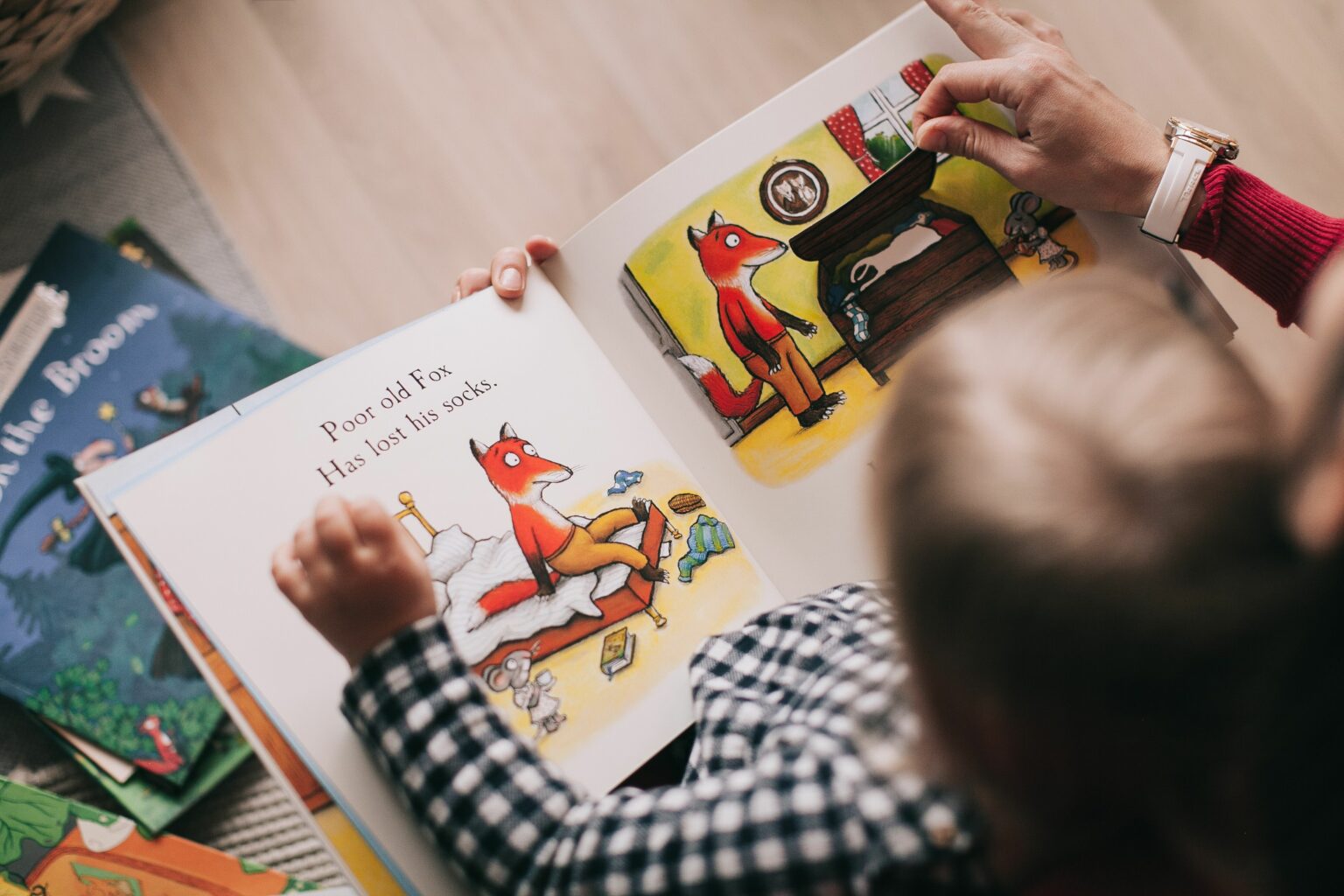
They must navigate essential services in a second or third language, while younger generations, raised on smartphones and global social platforms, risk losing fluency in their mother tongues.
From oral tradition to digital corpus
Digital language preservation goes far beyond simply translating text; it requires building Natural Language Processing (NLP) tools, machine-learning datasets, and open-source corpora.
Entities like the South African Centre for Digital Language Resources (SADiLaR) are leading computational initiatives to digitise indigenous knowledge, record speech patterns, and build open-access software tools.
Also see: SAN WOMAN ON A MISSION TO SAVE INDIGENOUS LANGUAGE
Through focused Natural Language Processing retreats and AI research forums, linguists and software developers are collaborating to build basic digital building blocks, such as spellcheckers, speech-to-text engines, and predictive text models, for low-resource languages.
Without these digital foundational tools, indigenous languages cannot be integrated into emerging technology, from AI chatbots to automotive voice assistants.
Preserving heritage through youth culture and tech
The digital age also offers unprecedented opportunities for grassroots language preservation:
Social media and content creation
Creators on platforms like TikTok, YouTube, and X (formerly Twitter) are driving language revitalisation through comedy, poetry, and storytelling in regional dialects, proving that indigenous languages are modern, vibrant, and evolving.
AI and educational technology
Integrating indigenous languages into digital classrooms ensures children learn foundational concepts in their home languages, which drastically improves literacy and cognitive development.
A call for year-round digital investment
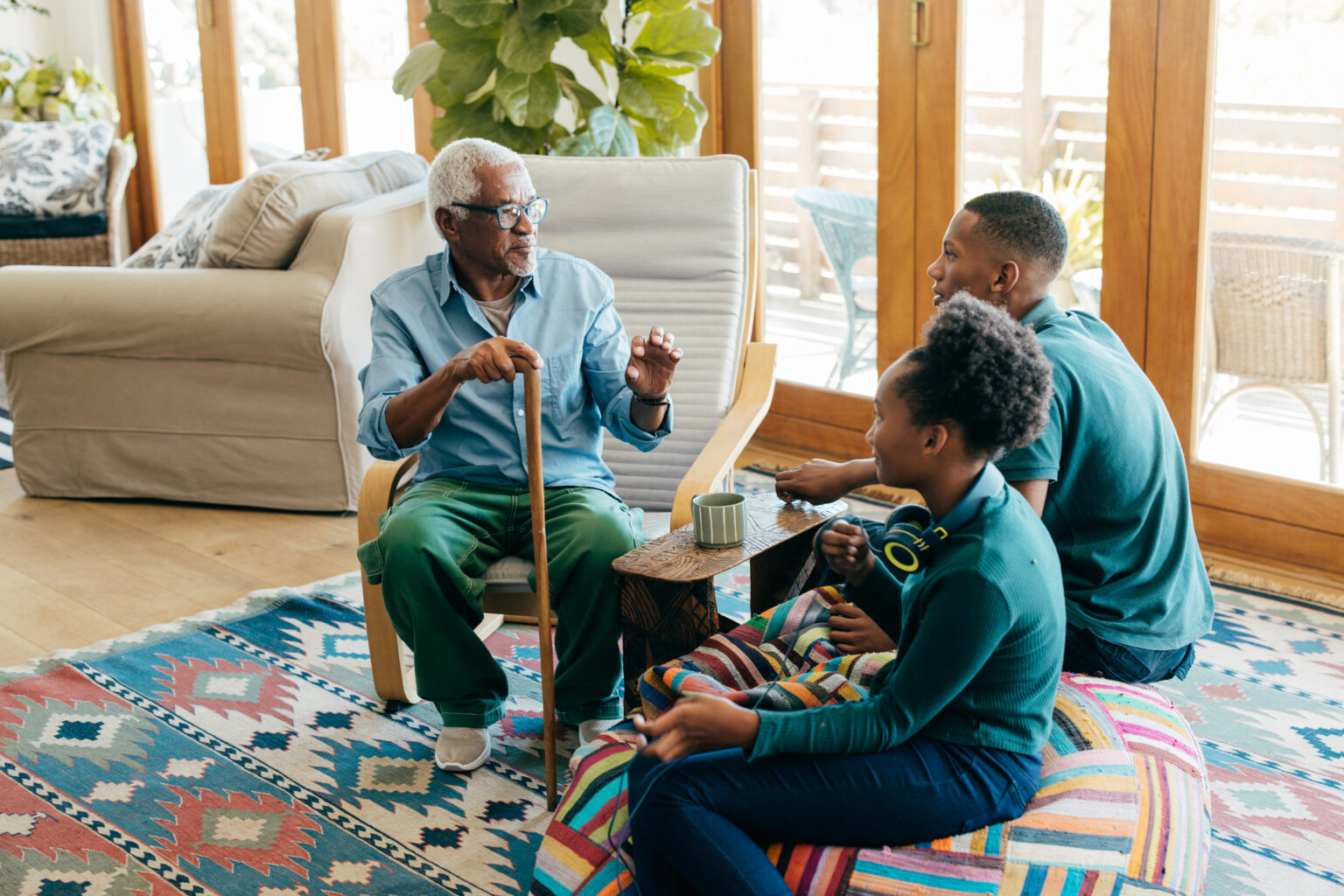
Preserving South Africa’s indigenous languages cannot remain a seasonal talking point. It requires sustained investment from government bodies like the Pan South African Language Board (PanSALB), academic institutions, and the private tech sector.
As South Africa moves past Heritage Month, the goal must be clear: indigenous languages should not merely be remembered in museums or celebrated once a year; they must be coded, typed, spoken, and searched every single day in the digital age.
Also see: TIKTOK EMERGES AS A CULTURAL CLASSROOM FOR SOUTH AFRICAN LANGUAGES
Be the first to know – Join our WhatsApp channel for content worth tapping into. Click here to join!