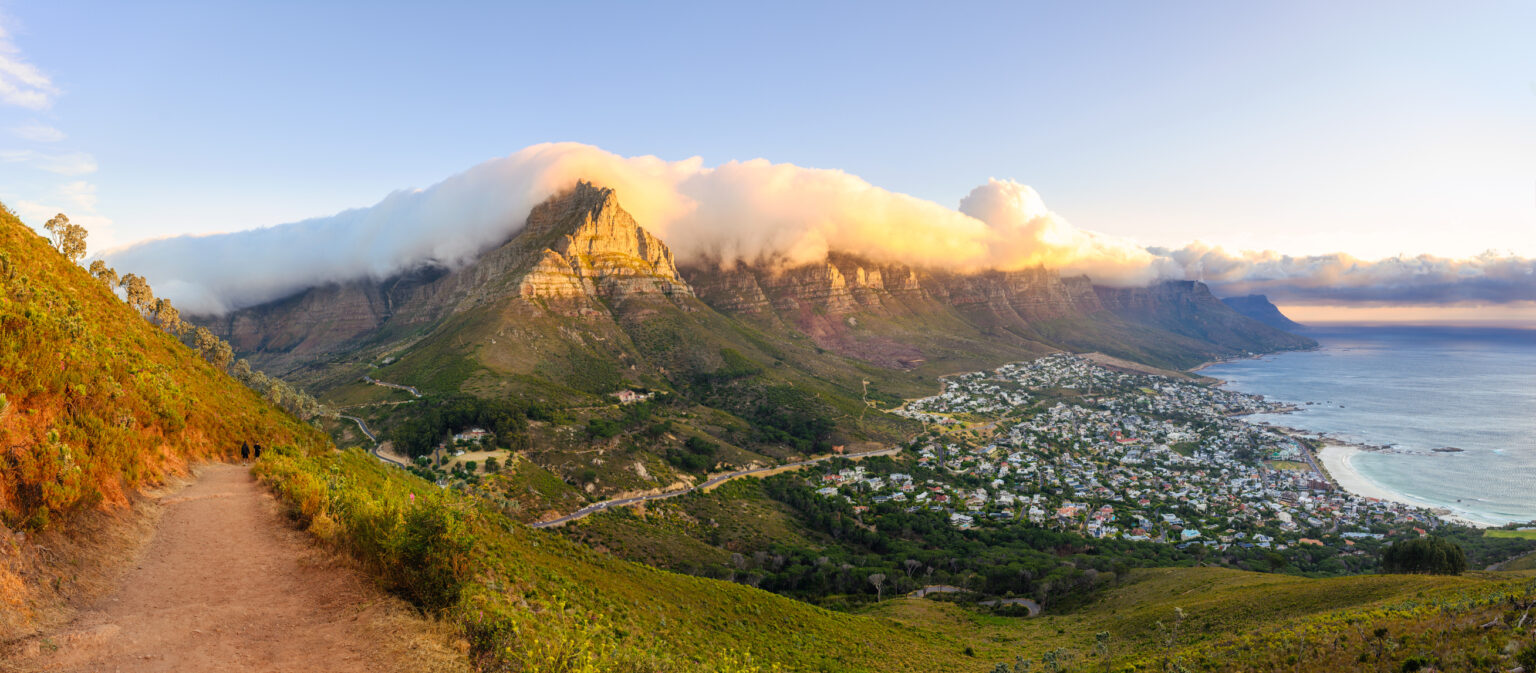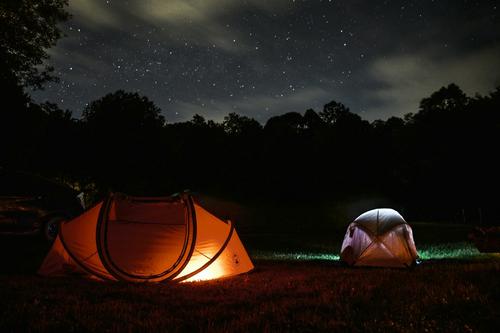
There’s something magical about falling asleep under a blanket of stars, far from the hum of traffic and the glow of city lights. South Africa’s landscapes offer endless opportunities to do just that — from rugged desert plains to lush coastal reserves — all while treading lightly on the environment.
Low-impact camping is the perfect way to immerse yourself in nature without leaving a footprint. Whether you’re a die-hard wild camper or prefer eco-conscious glamping, here’s where to sleep under the stars responsibly.
Why low-impact camping matters
Camping isn’t just about escaping the city; it’s about connecting with the natural world in a way that respects it. Low-impact camping, also known as minimal-impact or leave-no-trace camping, ensures that your adventure doesn’t harm delicate ecosystems.
South Africa’s fynbos, grasslands, and coastal dunes are home to unique flora and fauna — from endemic wildflowers to endangered species — making sustainable camping essential. Choosing eco-friendly sites and following simple guidelines helps keep these landscapes pristine for generations to come.
Wild & off-grid: Minimal-impact bush camps
If solitude and raw nature are your priority, South Africa has no shortage of remote campsites that embrace minimal infrastructure.
View this post on Instagram
- Richtersveld Transfrontier Park – Located along the Namibian border, this arid desert wilderness offers true off-grid camping. Bring all your supplies and marvel at dramatic mountain landscapes and star-filled skies. The park’s remoteness means very few visitors, so your experience is intimate and undisturbed.
- Tankwa Karoo National Park – A desert haven in the Northern Cape, Tankwa Karoo is famous for its expansive skies and incredible stargazing. The campsites here are basic, with minimal facilities, allowing visitors to experience the bush in its purest form.
- Hluleka Nature Reserve, Eastern Cape – With a small number of rustic chalets and tented sites, Hluleka offers access to pristine beaches and rich biodiversity. The reserve encourages minimal-impact camping practices, helping preserve the delicate coastal and forest ecosystems.
Eco-conscious glamping for comfort seekers
For those who love a touch of comfort while still being environmentally responsible, eco-glamping combines the best of both worlds.
View this post on Instagram
- Starry Starry Night, Western Cape – These off-grid dome tents are powered by solar energy. Wake up to breathtaking views of the fynbos-covered hills, all while knowing your stay has minimal environmental impact.
- Tented Camps in Addo Elephant National Park – Located within South Africa’s second-largest national park, some of Addo Elephant National Park’s tented camps harness solar energy, with both Spekboom Tented Camp and Narina Bush Camp using solar power for select amenities. It’s a responsible way to experience Africa’s iconic wildlife without compromising comfort.
- Cederberg Wilderness Eco-Camps – Nestled in the mountains, these tented camps use natural building materials and greywater systems, ensuring that your stay blends seamlessly with the environment.
Coastal gems with a light footprint
The country’s coastline offers some of the most serene and low-impact camping experiences.
- Kosi Bay Campsites, KwaZulu-Natal – Managed by the local community, these campsites sit near estuaries and turtle nesting beaches. Staying here supports conservation initiatives while offering a truly immersive coastal experience.
- De Hoop Nature Reserve, Western Cape – With limited development and well-managed campsites, De Hoop protects marine and terrestrial ecosystems. Campers can enjoy whale sightings, fynbos hikes, and tranquil beaches with minimal environmental impact.
The golden rules of low-impact camping
To ensure your adventure doesn’t harm the places you love, follow these simple guidelines:
- Carry out all waste — including biodegradable products.
- Use eco-friendly, biodegradable soaps.
- Stick to designated paths and campsites to protect fragile ecosystems.
- Support community-owned or conservation-led camps whenever possible.
- Respect wildlife by observing from a distance and keeping noise to a minimum.
Written by Lee-Anne Steyn
First published on Getaway
Also see: Cape Town claims spot among world’s best cruise ports