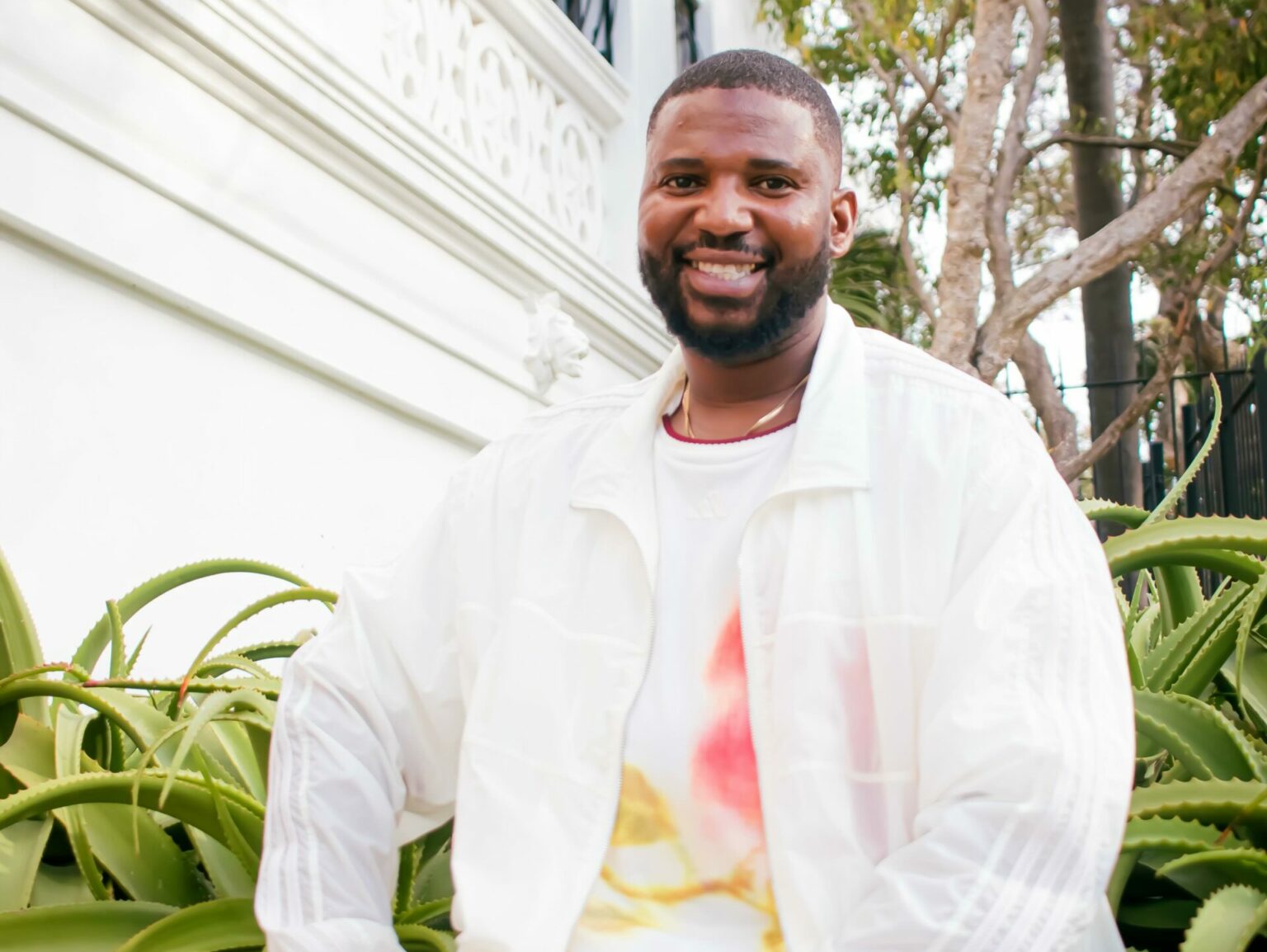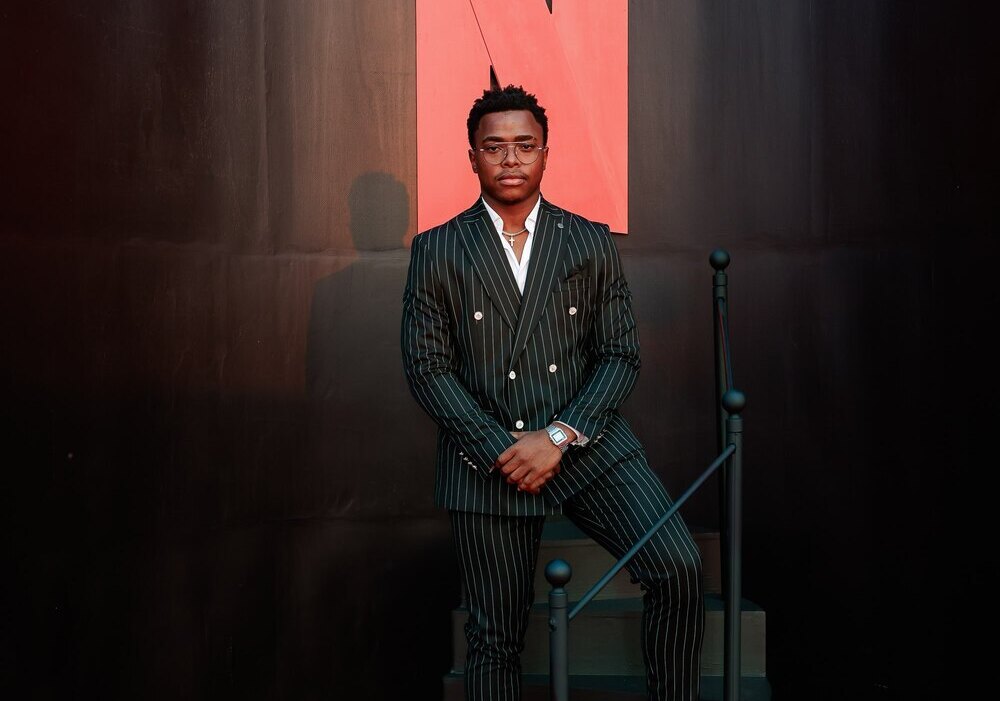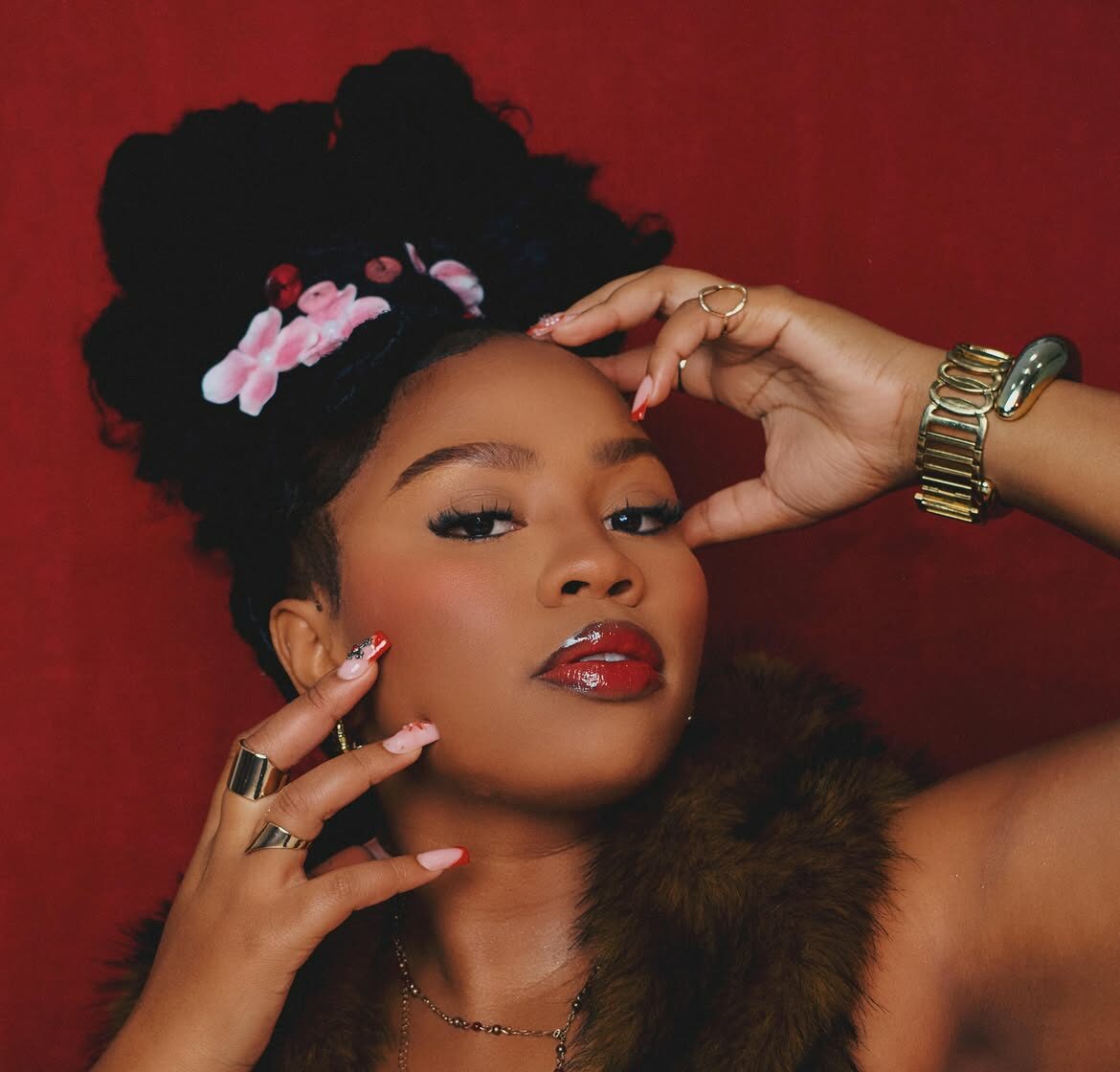
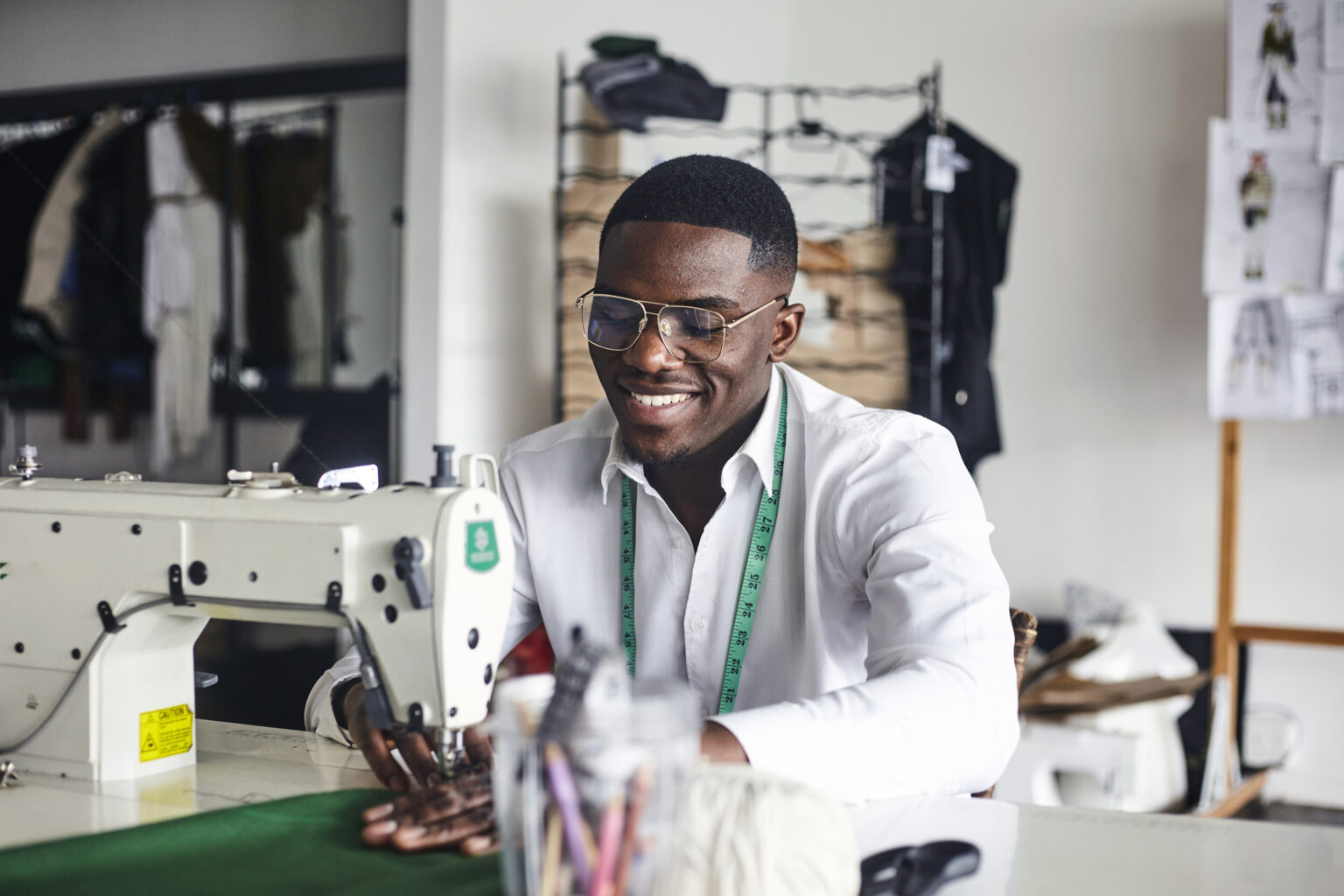
Walk through the creative pockets of Braamfontein or the East City of Cape Town, and the shift is unmissable. Streetwear brands, independent drops, and localised fashion labels that once drew their soul from township corners, skate parks, and youth subcultures are now commanding luxury price tags.
Also see: Child unboxing a designer bag divides South Africans
A standard screen-printed hoodie that once cost a few hundred rand can now easily set a buyer back anywhere from R1,500 to R3,500. While this pricing reflects real economic expansion and brand maturity, it raises an uncomfortable cultural question:
Are young South African designers selling the culture back to the youth at prices they can no longer afford?
From subculture currency to high-fashion pricing
South Africa’s independent fashion scene was largely built on the backs of urban youth—creatives, students, and trendsetters who wore, promoted, and validated these brands long before corporate sponsors or international platforms took notice.
The evolution from local passion project to premium brand, however, has created a widening gulf between creators and their original audience.
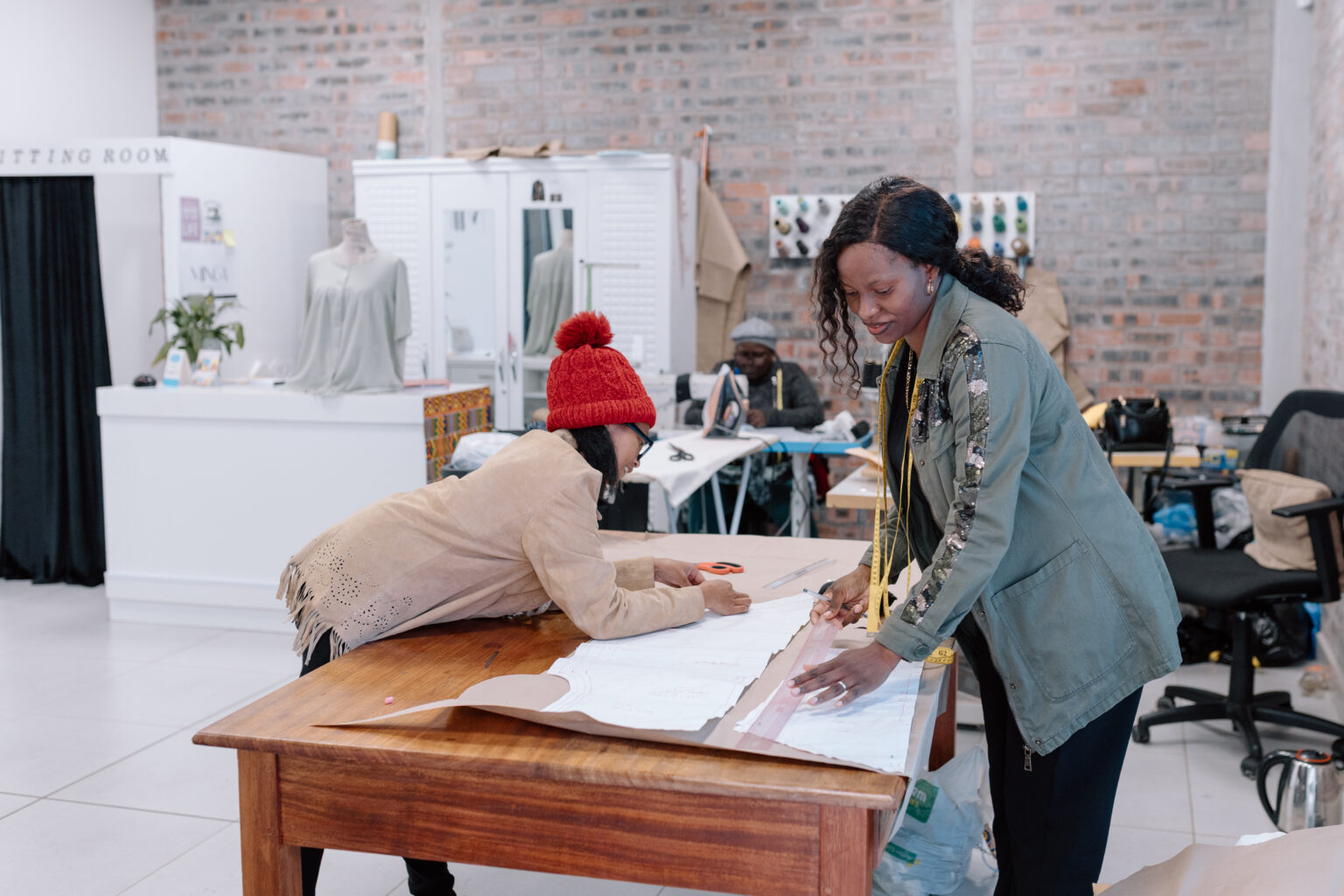
Steep price tags are driven by a mix of high manufacturing costs, local fair-wage labour, and limited production runs. However, as independent designers set their sights on global fashion weeks and international stockists, pricing is often recalibrated to match global luxury standards rather than local buying power, creating an intentional exclusivity that transforms community streetwear into high-end status symbols.
The nostalgia markup and the township aspirational gap
The tension lies not in designers earning their worth, but in what is being sold. Many modern South African collections draw heavy creative inspiration from township nostalgia, referencing spaza shops, vintage school uniforms, local transit routes, and working-class heritage.
Also see: Best South African Designers to Know in 2026 – Established Icons & Rising Stars
When a garment heavily inspired by working-class daily life is priced far beyond the reach of the very communities that birthed that aesthetic, critics argue it borders on cultural extraction. The youth who created the movement find themselves priced out, watching their lived experiences converted into luxury items for affluent consumers and international buyers.
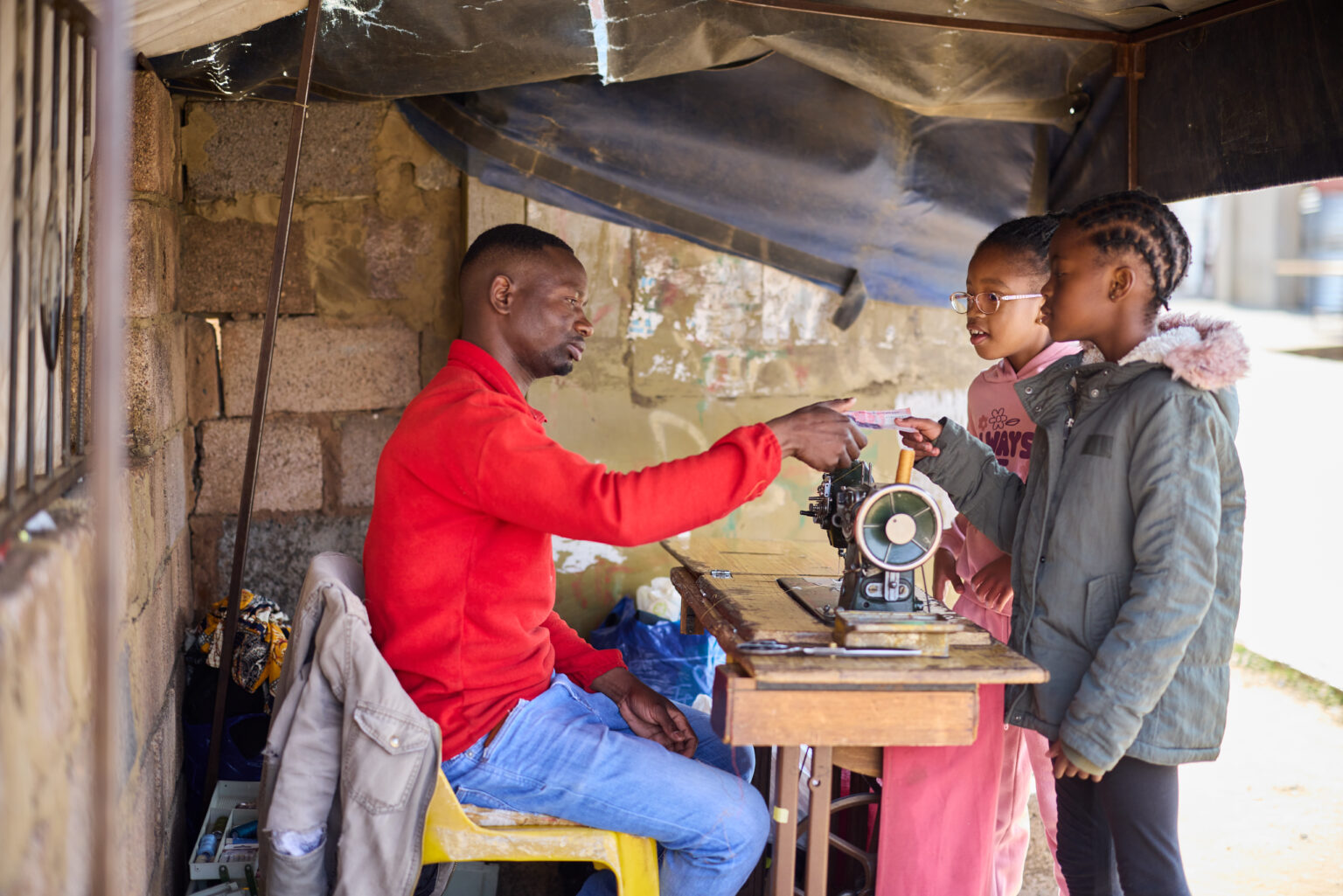
Finding the balance: Sustainability vs accessibility
The debate isn’t black-and-white. Fashion design is a business, and South African creatives have historically been underpaid and undervalued. Elevating local design to high-fashion status is a necessary step for sustainable creative economies in Mzansi.
However, a growing movement of young creatives is calling for alternative models:
- Tiered collections: Offering accessible core basics alongside high-end runway pieces.
- Community-first drops: Hosting localised pop-ups with tiered pricing for neighbourhood residents.
- Authentic collaboration: Ensuring the communities inspiring the designs actively benefit through local production hubs and youth workshops.
For South African fashion to retain its legendary heart and soul, designers must navigate a delicate tightrope: scaling a profitable, globally respected brand without alienating the grassroots youth whose energy made them iconic in the first place.
Also see: Young designer Yamkela Mahlelehlehle launches collection in 40 Pick n Pay Clothing stores
Be the first to know – Join our WhatsApp channel for content worth tapping into. Click here to join!