Some of the most damaging plants to local ecosystems are those that often go unnoticed. Admired for their resilience, colour, or groundcover qualities, these species are often planted intentionally. But their effects are anything but harmless.
Invasive plants outcompete indigenous species, disrupt ecosystems, and even pose a risk to human and animal health.
Here are four commonly found garden plants that are now considered invasive — and why you need to remove or replace them.
Lantana (Lantana camara (Verbenaceae))
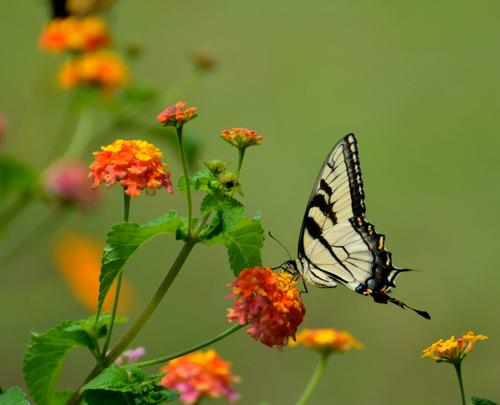
With its clusters of bright flowers and ability to survive in poor soil, Lantana camara is a favourite in gardens across warmer regions. Known locally as tickberry, it is also one of the world’s most invasive species. Birds and animals spread their seeds rapidly, allowing the plant to colonise disturbed areas.
It forms dense thickets that smother indigenous vegetation and alter natural fire cycles. Despite its charm, this plant contributes to biodiversity loss and is toxic to livestock.
Pompom weed (Campuloclinium macrocephalum)
Campuloclinium macrocephalum, commonly called pompom weed, produces soft pink flowers that belie its aggressive nature. Originally introduced through contaminated hay, it spreads with alarming speed and is now found across many grassland areas. Once established, it is difficult to remove due to a persistent seed bank and hardy root system.
Its presence significantly reduces the quality of grazing land and undermines the health of the native veld.
Bugweed (Solanum mauritianum)
Solanum mauritianum, better known as bugweed, is a vigorous shrub that often appears lush and attractive. It thrives in disturbed soils and along forest margins, but beneath the surface lies a serious threat. The leaves can irritate the skin and eyes, and the berries — though appealing to birds — are toxic to humans and animals.
Bugweed displaces indigenous plant life and creates dense undergrowth that hampers forest regeneration.
Famine weed (Parthenium hysterophorus)
Parthenium hysterophorus is one of the most dangerous plants currently spreading in parts of South Africa. Referred to as famine weed, it produces huge quantities of allergenic pollen and releases chemicals into the soil that prevent other plants from growing.
In people and animals, contact can cause skin irritation and respiratory distress. Its rapid spread through croplands, roadsides and grazing areas makes it a high-priority concern for control efforts.
Why invasive plants matter
Invasive plants may start in gardens, but they rarely stay there. Their seeds are carried by wind, water, birds and animals, spreading to nearby natural areas where they outcompete local flora. This not only reduces biodiversity, but also affects soil quality, water availability and even fire behaviour. Some species also pose direct risks to health and agriculture, causing economic damage and requiring costly removal programmes.
What to do about it
Managing invasive plants begins with awareness. If any of these species are growing in a garden or shared space, their removal should be prioritised. Smaller infestations can be dealt with manually, while larger ones may require professional advice or chemical control methods. Once cleared, the area can be replanted with indigenous alternatives that support pollinators, require less water and pose no threat to the surrounding environment.
The bigger picture
Tackling invasive plants is about more than individual gardens. Each responsible choice supports the broader goal of protecting South Africa’s biodiversity. By choosing native plants and learning to identify common invaders, every gardener plays a role in conserving ecosystems for future generations.
Written by Jade McGee
First published by Woman & Home
Also see:How to protect your houseplants during a cold front