South Africa’s history was shaped by women who challenged injustice, opened doors for others, and refused to stay silent when their rights were threatened.
Also see: Gender activist Lucinda Evans finds difficulty celebrating Women’s Month
Some marched against apartheid laws. Others used education, politics, trade unionism, music and literature to challenge a system built on racial inequality. Their stories are especially significant during Women’s Month, when South Africans reflect on the contribution women have made to the country.
Here are 10 women whose courage and determination left a lasting mark on South Africa.
Charlotte Maxeke
Long before the formal structures of apartheid took hold, Charlotte Maxeke was breaking barriers.
She became one of the first Black South African women to earn a university degree and went on to become an educator and activist. Charlotte also founded the Bantu Women’s League, using her leadership to advocate for women and challenge racial inequality.
Her work helped lay an important foundation for generations of women who followed.
Albertina Sisulu
Known for her decades-long involvement in the struggle against apartheid, Nontsikelelo Albertina Sisulu became one of South Africa’s most respected anti-apartheid activists.
She campaigned against racial injustice and played an important role in the 1956 Women’s March. Her activism was not limited to a single moment in history. Sisulu remained involved in the fight against apartheid for decades.
Lilian Ngoyi
Lilian Ngoyi made history as the first woman elected to the executive committee of the ANC.
She was also among the women who played a leading role in the historic 1956 Women’s March, when thousands of women gathered at the Union Buildings to protest against pass laws.
The protest became one of the most powerful demonstrations against apartheid-era discrimination. Lilian’s political leadership made her an important figure in the struggle for equality.
Helen Joseph
Helen Joseph was another key figure in the anti-apartheid movement and one of the organisers of the 1956 Women’s March. Her activism came at a considerable personal cost.
She became the first person to be placed under house arrest under apartheid’s 24-hour banning orders, highlighting the extent to which the apartheid government sought to silence its opponents.
Rahima Moosa
Trade unionist and political activist Rahima Moosa was part of the movement of women who challenged discriminatory legislation during apartheid.
She helped organise the 1956 Women’s March, joining thousands of women in opposing pass laws. Her role in the protest remains part of the broader story of women who stood together against apartheid.
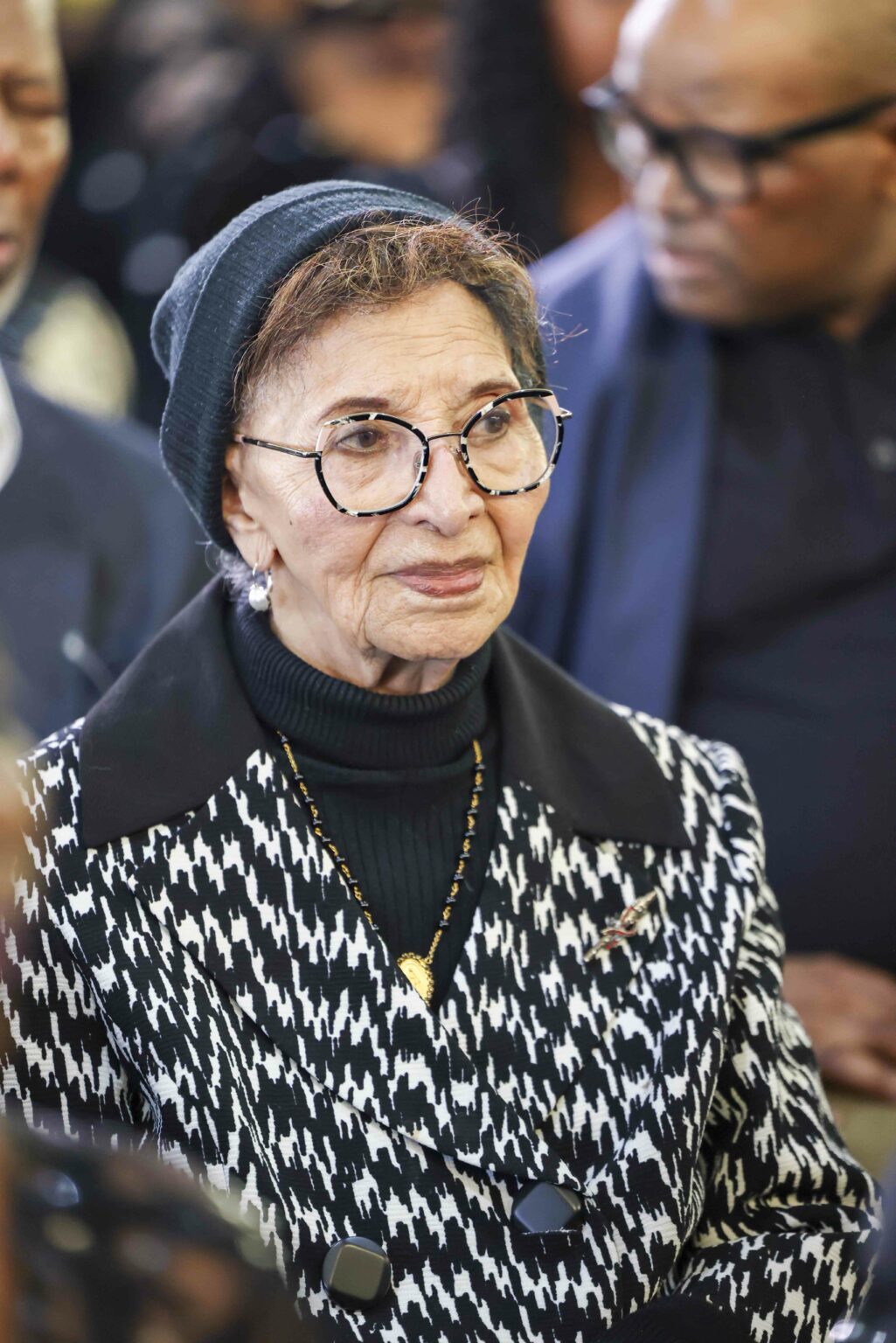
Sophia Williams-De Bruyn
The scale of the 1956 Women’s March becomes even more remarkable when considering the age of some of its leaders. Sophia Williams-De Bruyn was just 18 when she became one of the leaders of the march.
She helped lead thousands of women to the Union Buildings, where they protested against the apartheid government’s pass laws. Her story is a reminder that young South Africans have long played an important role in movements for social change.
Also see: HerStory International Theatre Festival celebrates 70 years of women’s stories
Winnie Madikizela-Mandela
Winnie Madikizela-Mandela became one of the most recognisable figures associated with the struggle against apartheid.
During some of the country’s darkest years, she emerged as a prominent anti-apartheid figure and an important symbol of resistance. Her place in South African history remains significant and continues to inspire discussion about the role women played in the liberation struggle.
Dulcie September
Dulcie September worked internationally against apartheid, taking the fight for justice beyond South Africa’s borders. Her activism continued overseas, where she campaigned against the apartheid system.
In 1988, September was assassinated in Paris. Her death became another painful reminder of the risks faced by people who challenged apartheid.
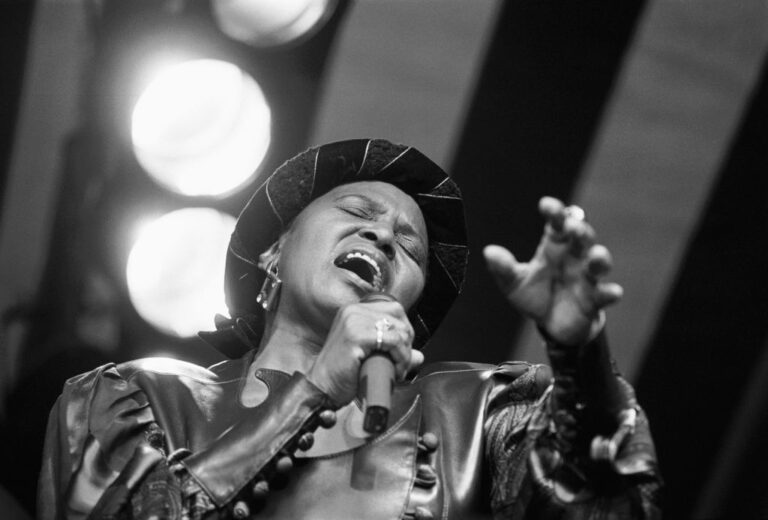
Miriam Makeba
For Miriam Makeba, music was more than entertainment.
Affectionately known as Mama Africa,’ the internationally acclaimed singer used her career to bring global attention to apartheid. Her music and public profile gave her a platform to speak about the realities of South Africa and helped make the country’s struggle against apartheid known to audiences around the world.
Makeba ultimately became a global voice for South Africa.
Nadine Gordimer
Not every battle against apartheid was fought in the streets.
Nadine Gordimer, the Nobel Prize-winning author, confronted the country’s political and social realities through her writing. Her literature explored apartheid and its impact on South African society, showing how storytelling could also become a powerful way of examining injustice.
Her work earned international recognition while keeping South Africa’s complicated political reality firmly in focus.
Also see: Bonang Matheba and Thembi Seete celebrate Women’s Month reflecting on their journeys
Be the first to know – Join our WhatsApp channel for content worth tapping into. Click here to join!