
Sign Up to Our Newsletter
Subscribe
Primary Menu Search
  • Entertainment
    • Celebrity News
  • Fashion and Beauty
    • Hair
    • Beauty
    • Fashion
    • Weddings
  • Lifestyle
    • Love & Relationships
    • Parenting
    • Motoring
    • Food
    • Travel
      • Travel News
      • Property
  • Health & Wellness
    • Diet
    • Fitness
    • Health
  • Work & Money
    • Finance
    • Career
  • Sports
    • Soccer Mag
    • Sa Rugby Mag
    • Sa Cricket Mag
    • Compleat Golfer
    • American Sports
    • Multi Sport
  • Deals
    • Deals in Cape Town
    • Deals in Johannesburg
    • Deals in Durban
    • Deals in Pretoria
    • Deals in Port Elizabeth
    • Experiences
  • Pork Recipes
  • Africapicks

What you need to know about being an organ donor

by Qaqamba Falithenjwa
picture: pexels

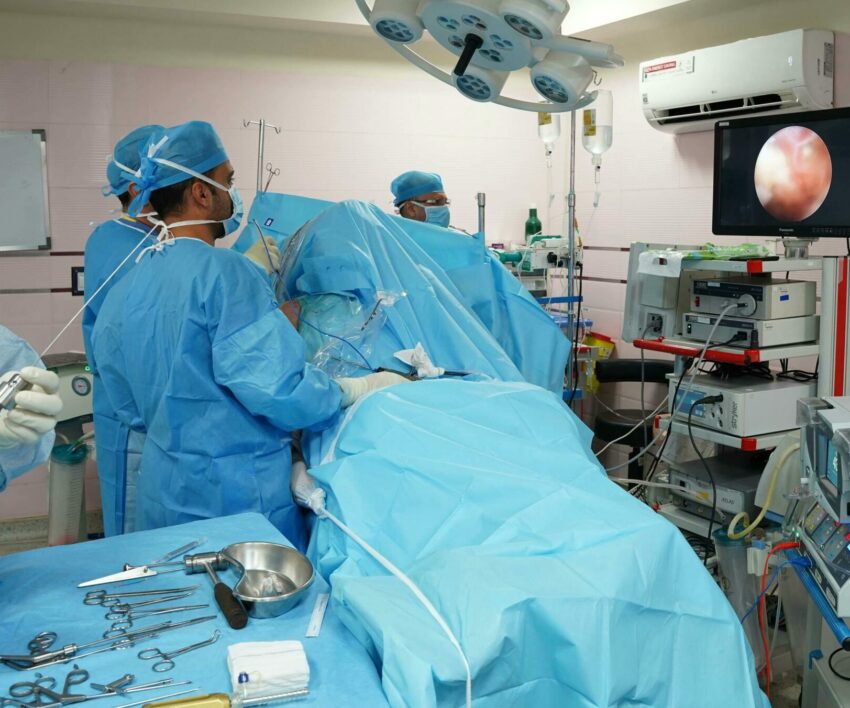
With August being the organ donor awareness month, we must be informed about what this process is about and if ever you are considering to be a participant, you at least know what’s required of you.

The organ donation process is transferring organs from a donor to a severely ill recipient according to Health Direct.

The Cleveland Clinic mentions that donors are usually (not all the time) recently deceased individuals who volunteered before their death or their families donated to them. Furthermore, the publication states that the recipients are critically ill individuals in the end stages of organ failure.

“Healthy people can choose to donate certain organs and tissues that they can spare while protecting their health. For example, you can live with only one kidney and donate your other kidney. You can also donate a portion of your liver, and your liver will grow back to nearly full size.”

According to WebMD, organ donation is open to anyone, with consent required for those under 18. It is said that after death, a medical assessment determines organ donation options and that certain conditions, like HIV, cancer, or severe infection, may prevent living donors. “It’s easier to transplant an organ if the donor and recipient are a good match. The transplant team will give you a series of tests to determine whether your blood and tissue types are compatible with the recipient’s.”

The Seattle Children’s Hospital states that one organ and tissue donor can save eight lives and improve over 50 lives, restoring vital functions and that “There is no cost to a deceased donor’s family for donating organs and tissues. All costs directly related to the organ donation are covered by the recipient’s insurance.”


Also see: Considering using surrogacy? Understand what you’re signing up for

More from Health & Wellness

Silent threats: Health risks lurking around your vital organs 

6 Workouts to try when you work from home

Simple ways to make your walks more mindful

7 Signs your relationship with food could use a reset

    Primary Menu

    • Entertainment
      • Celebrity News
    • Fashion and Beauty
      • Hair
      • Beauty
      • Fashion
      • Weddings
    • Lifestyle
      • Love & Relationships
      • Parenting
      • Motoring
      • Food
      • Travel
        • Travel News
        • Property
    • Health & Wellness
      • Diet
      • Fitness
      • Health
    • Work & Money
      • Finance
      • Career
    • Sports
      • Soccer Mag
      • Sa Rugby Mag
      • Sa Cricket Mag
      • Compleat Golfer
      • American Sports
      • Multi Sport
    • Deals
      • Deals in Cape Town
      • Deals in Johannesburg
      • Deals in Durban
      • Deals in Pretoria
      • Deals in Port Elizabeth
      • Experiences
    • Pork Recipes
    • Africapicks

    • Contact Us
    • Terms and Conditions
    • Privacy Policy
    • Cookies Policy
    CAPE TOWN OFFICE: 15th Floor, The Box, 9 Lower Berg Street, Cape Town 8001, Western Cape > Telephone: (021) 416 0141
    © Copyright 2026 Bona Magazine
    ×

    SEARCH

    ×