Heritage Month is a time to celebrate who we are, and food sits right at the centre of that celebration.
Yet many South Africans quietly believe that eating well means giving up the dishes they grew up with. That simply is not true, explains Omy Naidoo, founder of Newtricion Wellness Dietitians.
Also see: 5 UNESCO World Heritage Sites in South Africa to visit
According to the National Food and Nutrition Security Survey, 57.4% of South African adults are overweight or obese. One in three is clinically obese, and diabetes is now the leading cause of death among South African women.
Poor nutrition is a major driver. In Bushbuckridge, Mpumalanga, researchers found that 76.2% of people eat too few fruits and vegetables.
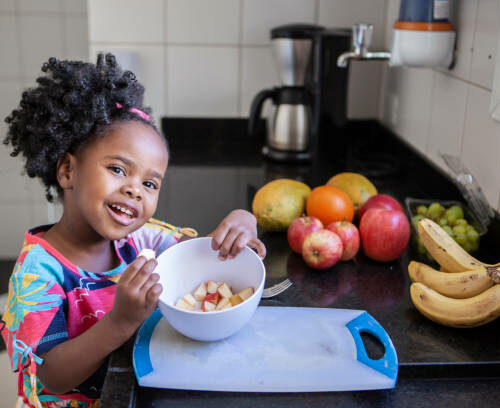
Here is the good news. Five traditional foods, enjoyed across different South African communities, can be part of a balanced diet without asking anyone to abandon their culture.
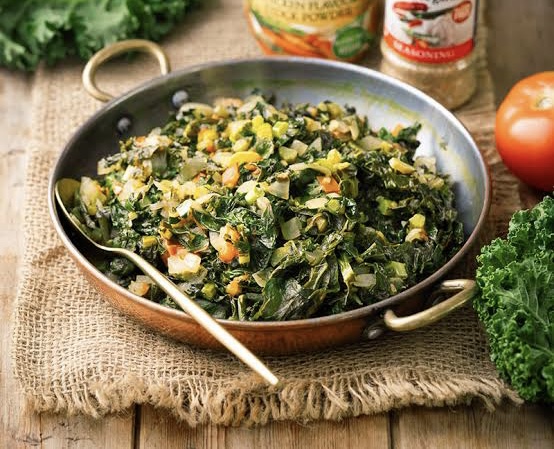
1. Morogo
Morogo is a traditional leafy vegetable packed with protein, calcium, magnesium and folate.
“Serve it with a moderate portion of pap, beans and grilled chicken for a balanced meal. Avoid drowning it in oil or fatty meat,” Naidoo encourages.
2. Umngqusho
He says umngqusho (samp and beans) is a national favourite for good reason. Samp on its own has a high glycaemic index of 130, but adding beans brings it down to 98.
Beans provide plant-based protein and fibre. Paired with morogo and a small piece of grilled chicken, that is a healthy, hearty meal.
3. Mabele
Mabele (sorghum) is one of South Africa’s oldest grains. It is gluten-free, low-GI, and rich in iron.
A half-cup serving has nearly double the iron found in a 90g beef steak. Try sorghum porridge with fresh fruit and plain yoghurt instead of piling on sugar.
Also see: Creative ways to celebrate Heritage Day at the office or school
4. Ubhatata
Ubhatata (sweet potatoes) are versatile and rich in beta-carotene. A 100g portion of cooked orange-fleshed sweet potato can provide up to 136% of the recommended daily allowance of vitamin A for young children.
Roast or steam them rather than deep-frying. Serve with grilled chicken and vegetables.
5. Dhal
Dhal (lentils) are a staple in South African-Indian cooking. They are rich in plant-based protein, fibre, iron and folate.
Make a vegetable dhal with tomatoes, onions and spices. Watch the oil, ghee and salt. Serve with a moderate portion of rice or roti and extra vegetables.
“Our challenge and our opportunity lie in our diversity. Healthy eating does not mean turning your back on your grandmother’s kitchen. It means smaller portions, less salt and oil, healthier cooking methods, and more vegetables on the plate,” concludes Naidoo.
Also see: Heritage Day braai salads to try with indigenous ingredients
Be the first to know – Join our WhatsApp channel for content worth tapping into. Click here to join!