In today’s fast-paced world, finding time to exercise can feel like a challenge. Between work, family commitments and daily responsibilities, many people wonder whether they’re doing enough to stay healthy.
The good news is that you don’t have to spend hours in the gym every day to experience the benefits of regular physical activity.
Also see: Knee exercises every runner can do
Health experts agree that consistent movement, even in moderate amounts, can significantly improve physical and mental well-being, reduce the risk of chronic diseases, and enhance overall quality of life.
But how much exercise do you really need each week?
The recommended amount of exercise
According to the World Health Organisation (WHO), adults aged 18 to 64 should aim for at least 150 to 300 minutes of moderate-intensity aerobic physical activity per week, or 75 to 150 minutes of vigorous-intensity aerobic activity, or a combination of both.
Moderate-intensity activities include brisk walking, cycling at a casual pace, and dancing, while vigorous activities include running, swimming laps, and high-intensity interval training (HIIT).
This recommendation translates to about 30 minutes of moderate exercise five days a week, which many people find manageable when incorporated into their daily routines.
Why strength training matters
Aerobic exercise is only one part of the equation. The WHO and other health authorities also recommend engaging in muscle-strengthening activities at least two days per week.
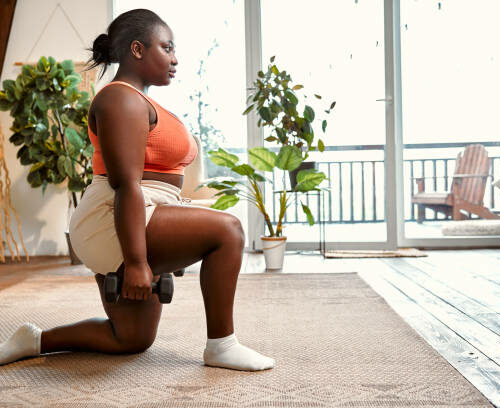
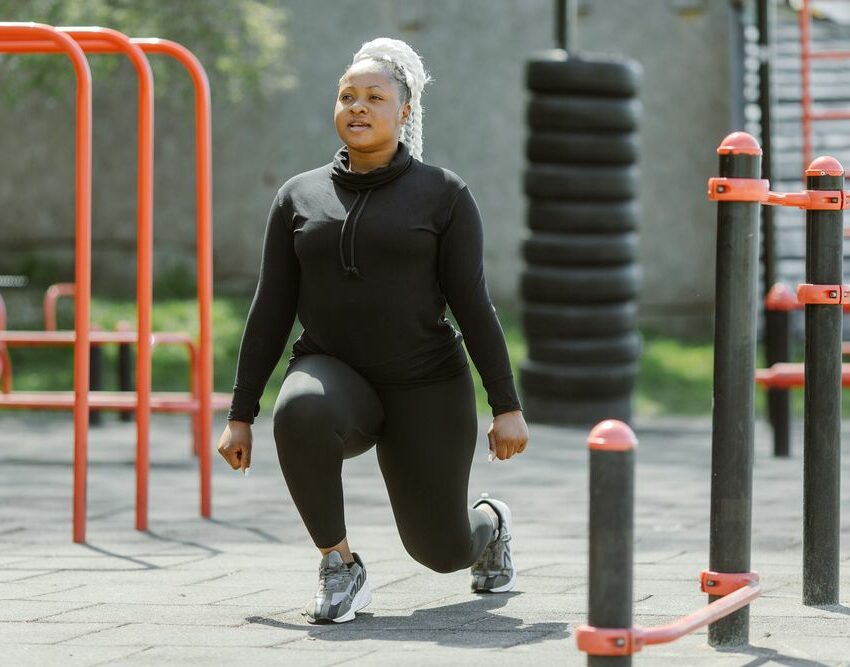
Strength training exercises can include lifting weights, resistance band workouts, bodyweight exercises such as push-ups and squats, or activities like gardening that require physical effort. Building muscle strength helps maintain bone density, improve balance, reduce injury risk and support healthy ageing.
Exercise and mental health
Physical activity benefits more than just the body. Numerous studies have shown that regular exercise can reduce symptoms of anxiety and depression, improve mood and enhance cognitive function.
According to Mayo Clinic, regular physical activity can help reduce symptoms of stress, anxiety and depression while improving mood and overall mental well-being. Activities such as walking outdoors, yoga, and group fitness classes may also help combat feelings of isolation and improve emotional well-being.
Do you need to exercise every day?
The simple answer is no. While daily movement is beneficial, experts emphasise that consistency matters more than perfection.
The Centres for Disease Control and Prevention (CDC) notes that adults can spread their weekly exercise goals across several days in whatever way works best for their schedule. Some people prefer exercising for 30 minutes five days a week, while others may choose longer sessions on fewer days.
The key is to avoid prolonged periods of inactivity and find a routine that feels sustainable over time.
Also see: ‘Exercise snacks’: Can short workouts really make a difference?
What counts as exercise?
One of the biggest misconceptions about exercise is that it has to happen in a gym. In reality, many everyday activities contribute to your weekly physical activity goals.
Examples include:
- Walking the dog
- Gardening
- Dancing
- Household chores
- Cycling to work
- Playing sports
- Taking the stairs instead of the lift
- Active play with children
Research shows that any movement is better than none, and even small amounts of physical activity can have significant health benefits.
Exercise recommendations by age
Different age groups have slightly different recommendations:
Adults (18–64 years)
- At least 150–300 minutes of moderate aerobic activity weekly, or 75–150 minutes of vigorous activity
- Muscle-strengthening activities on two or more days per week
Older adults (65+)
- The same recommendations as younger adults
- Additional balance and functional strength exercises at least three times per week to reduce the risk of falls
Children and adolescents (5–17 years)
- At least 60 minutes of moderate-to-vigorous physical activity daily
- Activities that strengthen muscles and bones at least three days per week
How to make exercise a habit
Starting an exercise routine doesn’t have to be overwhelming. Experts recommend:
- Setting realistic goals
- Choosing activities you enjoy
- Scheduling exercise like any other appointment
- Exercising with friends or family for accountability
- Starting slowly and increasing intensity gradually
- Celebrating small achievements
Remember that consistency over time is more important than intensity in the beginning.
The bottom line
When it comes to exercise, doing something is always better than doing nothing. Most adults can achieve significant health benefits by aiming for at least 150 minutes of moderate physical activity each week and incorporating strength training exercises into their routine.
Rather than focusing on perfection, the goal should be to create a sustainable habit that supports your physical and mental well-being. Whether it’s a brisk walk around the neighbourhood, a dance class or a gym session, every movement counts.
Also see: ‘Exercise snacks’: Can short workouts really make a difference?
Be the first to know – Join our WhatsApp channel for content worth tapping into. Click here to join!