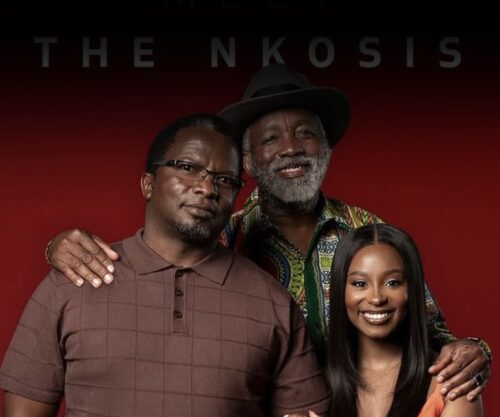
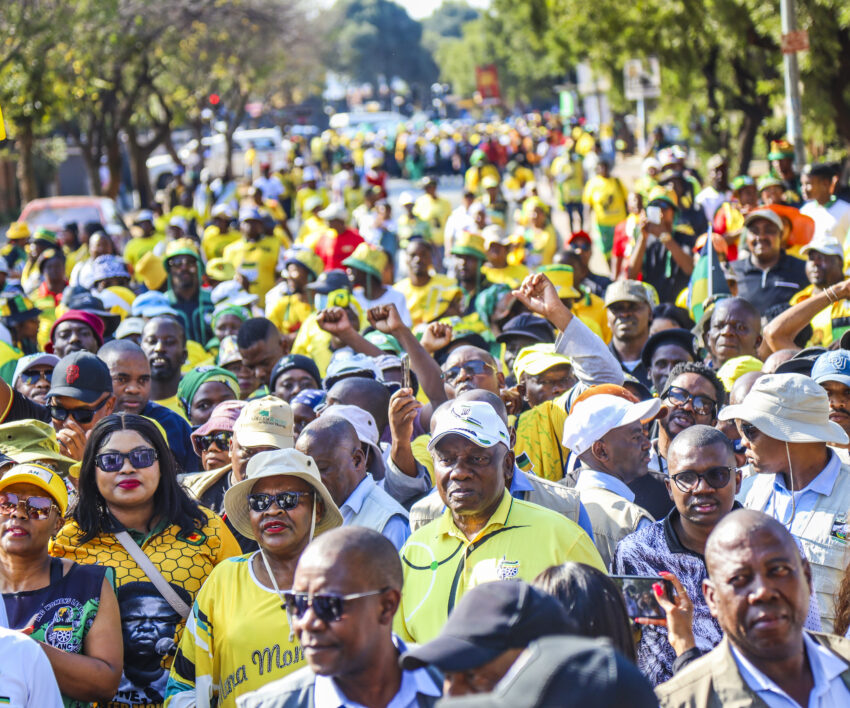
A viral compilation video contrasting old campaign footage of African National Congress (ANC) officials with their recent public appearances has triggered widespread debate across social media platforms.
Also see: ANC takes IEC to the Electoral Court
The short clip, which tracks the visible physical weight gain of several high-profile politicians over their tenure in government, has rapidly morphed into a focal point for satirical commentary, public cynicism, and broader debates on political accountability in South Africa.
Satire as political critique: The “tender diet” phenomenon
In South African digital culture, humour frequently serves as a primary vehicle for public frustration over governance, municipal collapse, and state-owned enterprise failures.
As the video circulated across TikTok, X, and Instagram, users coined terms like the “tender diet” and the “coalition surge” to describe the noticeable physical changes seen in officials after entering executive office. Commentators reshared the side-by-side clips to highlight how personal prosperity among political elites often appears to accelerate alongside deteriorating public service delivery.
From eating too much good food from the easy money they pilfer from us taxpayers & ratepayers🤨 https://t.co/FTXKNBJjqQ
— Vusi Sambo (@VusiSambo) September 14, 2026
Cultural analysts point out that body-centric satire aimed at politicians is rarely about aesthetics alone. Instead, physical transformation becomes a visual metaphor for the perceived accumulation of wealth, patronage networks, and access to state resources. When citizens observe crumbling roads, persistent water outages, and high youth unemployment, visual reminders of political comfort become symbols of systemic inequality.
Also see: President Cyril Ramaphosa’s ‘clock it’ divides South African youth
Public cynicism and the erosion of trust
The viral reaction underscores a deeper structural issue facing Mzansi’s political landscape: the widening disconnect between public representatives and the communities they serve.
Political scientists from the University of the Witwatersrand (Wits) and Stellenbosch University note that public cynicism expressed through social media memes reflects a long-term erosion of trust in democratic institutions. When citizens feel traditional avenues of accountability, such as parliamentary oversight or formal petitions, yield minimal results, satirical ridicule emerges as a collective mechanism to challenge authority.
However, researchers warn that while political satire raises awareness and unites public sentiment, it can also normalise corruption as an inevitable feature of governance rather than an urgent systemic flaw requiring reform.
And they are representatives of masses of people living below the bread line. People who barely eating one meal a day and living in abject poverty. These are the people who vote for these fat cats. https://t.co/MwOopjpZ3q
— Sicario@palermo@testa di cazzo (@ridgetontowers) September 14, 2026
The line between accountability and internet discourse
As the country moves closer to upcoming electoral cycles, digital commentary continues to play a pivotal role in shaping voter sentiment.
While political communication teams often attempt to dismiss viral videos as bad-faith internet trolling, the overwhelming engagement surrounding the compilation highlights a clear message: South Africans are scrutinising their leaders through every available lens.
For public officials, the viral moment serves as a reminder that in the age of omnipresent digital media, every public appearance, historical archive, and transformation is subject to intense public scrutiny.
Also see: Judge President Selby Mbenenge fights to keep job as impeachment is put on hold
Be the first to know – Join our WhatsApp channel for content worth tapping into. Click here to join!