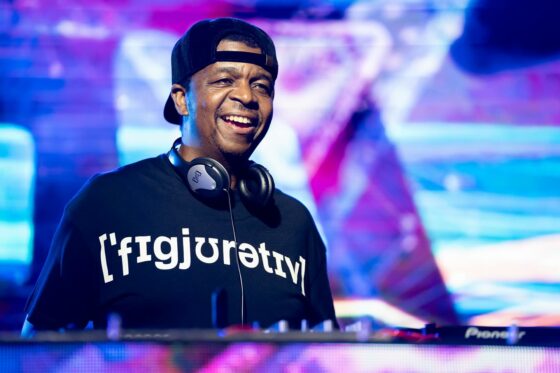
The rise of artificial intelligence in music creation is dividing opinion across the global music industry. South African music veteran Oscar Sibonginkosi Mdlongwa, popularly known as Oskido, has now joined the conversation.
Also see: Oskido grateful after receiving National Order
As AI-powered tools become increasingly capable of generating melodies, lyrics, vocals, and full songs within minutes, artists, producers, and music executives are grappling with a critical question: Is AI a creative tool or a threat to authentic artistry?
A new era for music creation
Artificial intelligence platforms such as Suno and Udio have made it possible for users with little to no musical training to create songs using simple text prompts. The technology has opened new doors for creativity and accessibility, but it has also raised concerns about originality, copyright, and the future of human musicians.
Oskido believes AI is a reality that the music industry cannot ignore. However, he argues that technology should be viewed as a tool rather than a replacement for artists.
According to the veteran producer, while AI can assist with production and streamline certain aspects of music creation, it cannot replicate the lived experiences, emotions, and cultural influences that human artists bring to their work.
View this post on Instagram
Also see: Oskido Unveils Star-Packed Big Day Out Festival Lineup
Artists and fans remain divided
The debate comes at a time when AI-generated songs are becoming increasingly difficult to distinguish from music created by people. South African artists and industry figures have expressed mixed views on the trend.
TimesLIVE reported that rapper Cassper Nyovest recently admitted that an AI-generated song had initially fooled him into believing it was created by a real artist. While impressed by the technology, he warned that it could make it harder for emerging musicians to break into the industry.
Others see AI as a useful innovation that can help artists generate ideas, speed up production processes and experiment with new sounds. Industry experts note that AI is already being used for tasks such as mastering, editing, and music production assistance.
Concerns over copyright and creativity
One of the biggest concerns surrounding AI music is how these systems are trained. Many artists and record labels have questioned whether AI developers should be allowed to use copyrighted music to train their models without permission or compensation.
Experts have called for stronger safeguards to ensure artists are credited and compensated when their work contributes to AI-generated content.
Critics also argue that an industry flooded with AI-generated songs could make it harder for audiences to discover genuine talent and unique voices.
The human element remains key
Despite the rapid advancement of AI technology, many industry figures believe there is still something irreplaceable about human creativity. While AI can imitate styles and generate convincing music, it cannot fully reproduce the personality, emotion, and storytelling that come from real-life experiences.
For Oskido, the future of music is likely to involve collaboration between humans and technology rather than competition. As AI continues to evolve, the challenge for the industry will be finding a balance between embracing innovation and protecting the creative voices that give music its soul.
As the debate continues, one thing is clear: AI is reshaping the music landscape, and artists, fans, and industry leaders will all play a role in determining what that future looks like.
Also see: Oskido breathes new life into old tracks with Afro Heritage Project
Be the first to know – Join our WhatsApp channel for content worth tapping into. Click here to join!