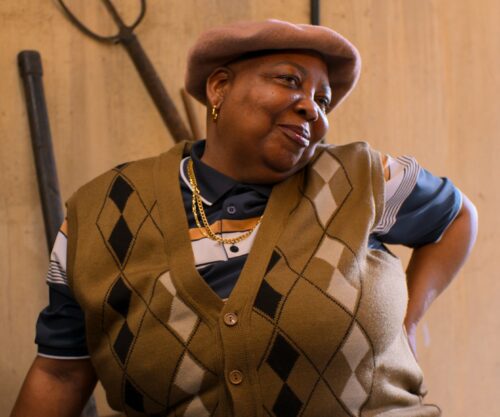

When a women’s stokvel group is scammed by the niece of one of their own, four close-knit women must band together to save their hard-earned money and preserve their decade-long bond.
Set in the quiet, unassuming town of Balfour, Mpumalanga, Stokvel brings viewers into a community where traditions run deep, but dynamic socio-economic realities shape everyday life.
Also see: WATCH: Leera Mthethwa reflects on attempted robbery at gunpoint
Celebrated South African actress Leera Mthethwa (Generations: The Legacy, Gomora) leads the cast as Bathabile, a dedicated police officer navigating professional success, financial independence, and a deeply complex marriage. Mthethwa opens up about portraying Bathabile, the power of female solidarity, and why the show’s comedic lens delivers crucial home truths.
Unpacking sisterhood and financial emancipation
At the heart of the series are four women, Mary, Cynthia, Bathabile, and Puleng, who have belonged to the same savings group for nearly 10 years. Over the decade, their financial arrangement has evolved into a vital support system.
For Mthethwa, the storyline accurately mirrors how stokvels empower women across South Africa.

“Saving on its own is emancipating, and doing it in a group setting with other women is a phenomenal form of being accountable to each other and one another’s financial goals,” Mthethwa shares. “It is a means of attaining financial stability, independence, and creating a sisterhood that is greater than just money.”
Also see: From prison syndicates to jazz stokvels: Mzansi’s biggest mid-month must-watches
Complex power dynamics and emotional abuse
While Bathabile shines professionally and is currently in line for a promotion to police captain, her home life paints a far more troubling picture.
Earning significantly more than her husband Richard, a security guard who failed to qualify for the police academy, she faces constant friction, financial secrecy, and subtle emotional abuse. To ensure her daughter’s future, Bathabile secretly channels her stokvel savings toward university fees, knowing Richard cannot and will not contribute.
Mthethwa notes that portraying this stark contrast between professional strength and personal vulnerability was one of her greatest acting challenges.
“Bathabile is capable, intelligent, and respected professionally, but when it comes to her marriage, she struggles to recognise or act on what she knows is wrong. That contradiction made her both challenging and fascinating to play.”
Mirroring realities through a comedic lens
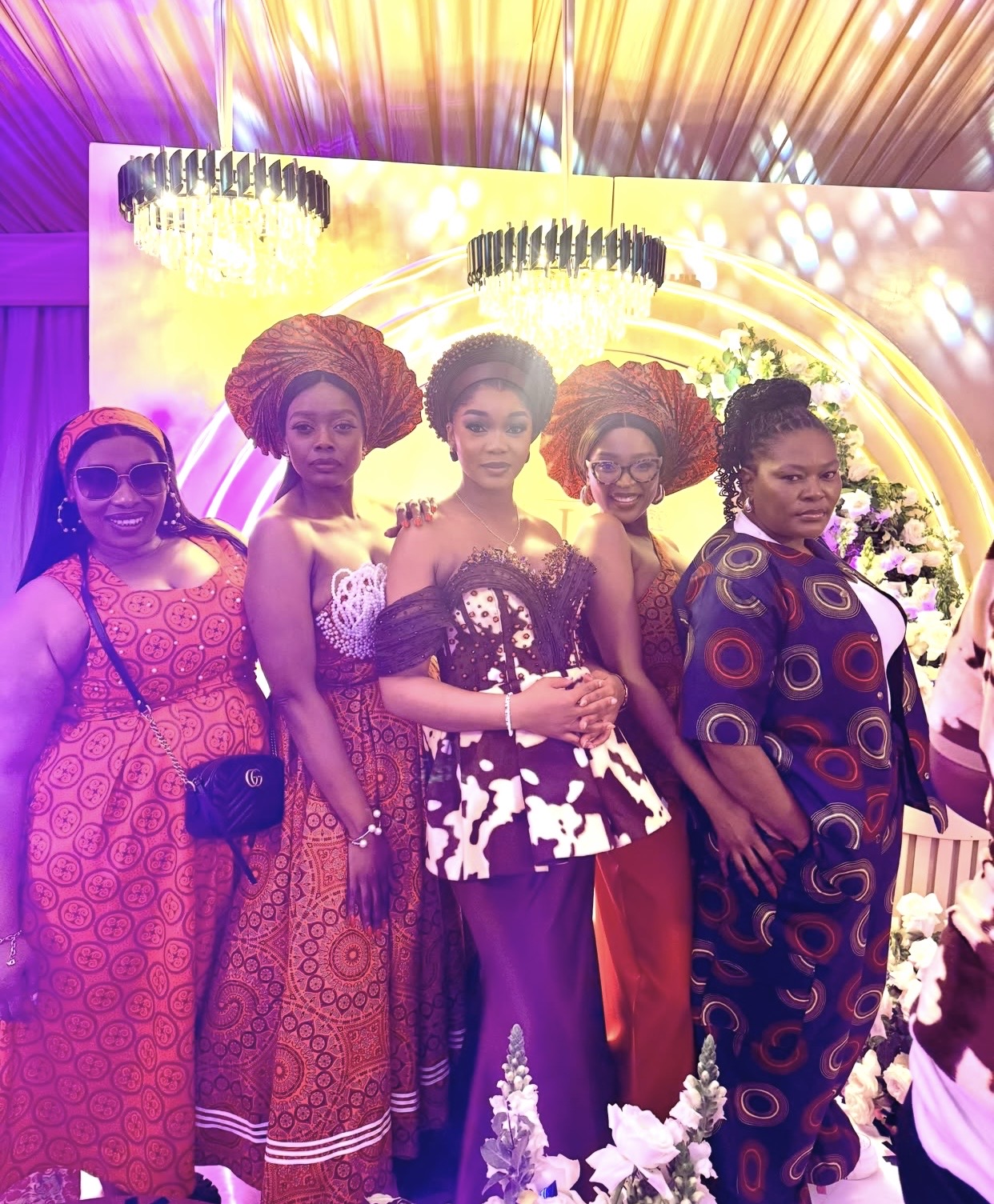
Rather than presenting a sanitised version of modern relationships, Stokvel uses humour as a bridge to hold a mirror to society’s unsaid truths.
“I think the narrative is phenomenal for the emancipation of women, but for a woman to truly be emancipated, we also have to show exactly what that looks like. And sometimes it isn’t pretty,” Mthethwa reflects. “It’s perfect that this is a comedy because before I slap you in the face with the truth, I need you to laugh a little.”
Ultimately, Mthethwa hopes Bathabile’s arc inspires viewers, especially women, to step away from societal expectations (abantu bazothini) and prioritise their own well-being.
“I hope women, in particular, learn that self-prioritisation is the greatest form of self-love,” she concludes. “We constantly nurture, take care of, and prioritise others, yet fail to afford ourselves the bare minimum in return. I hope we pour into ourselves the grace and kindness we willingly afford others.”
Also see: National Savings Month: Choose the right stokvel to maximise your savings
Be the first to know – Join our WhatsApp channel for content worth tapping into. Click here to join!