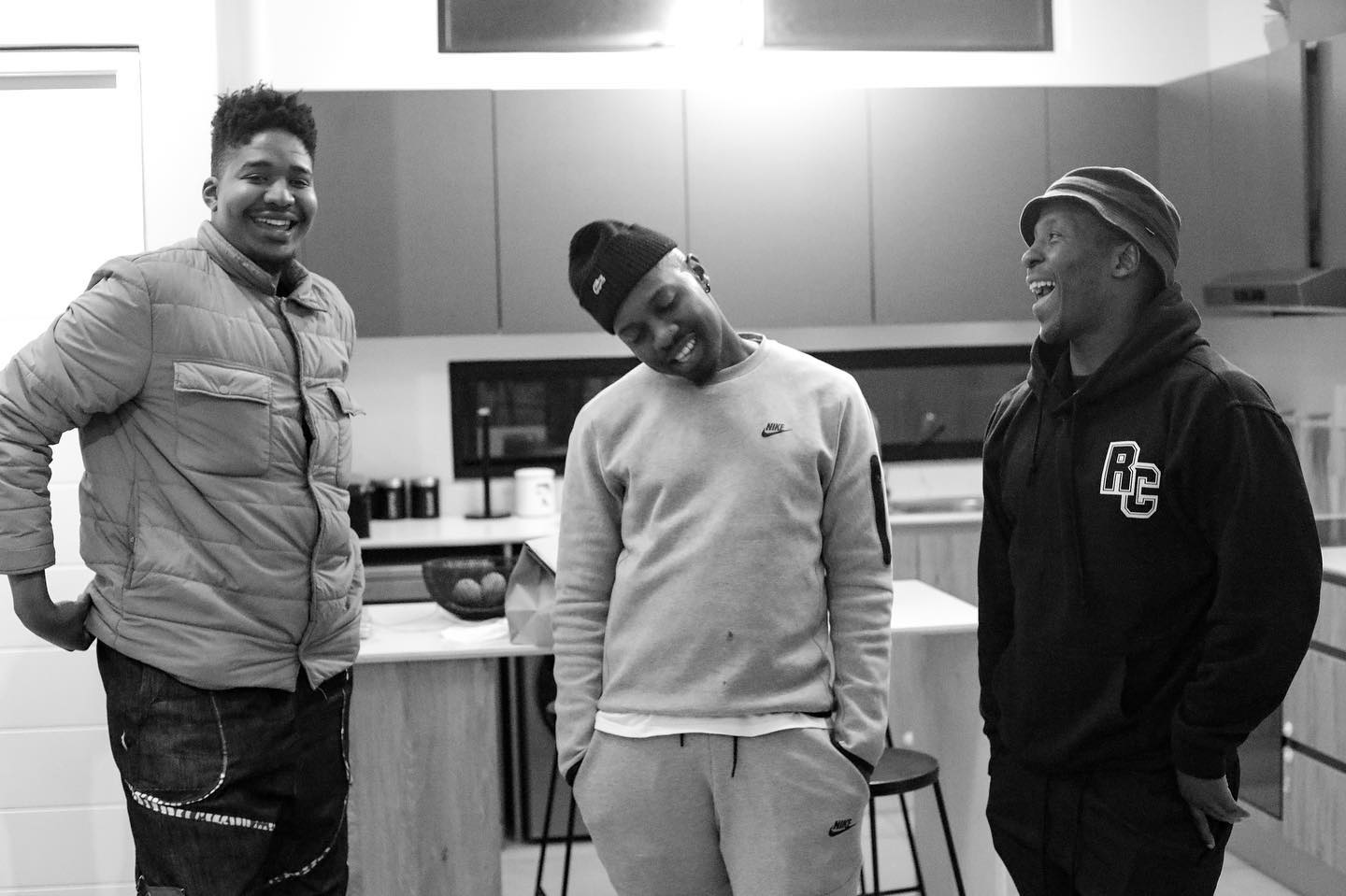
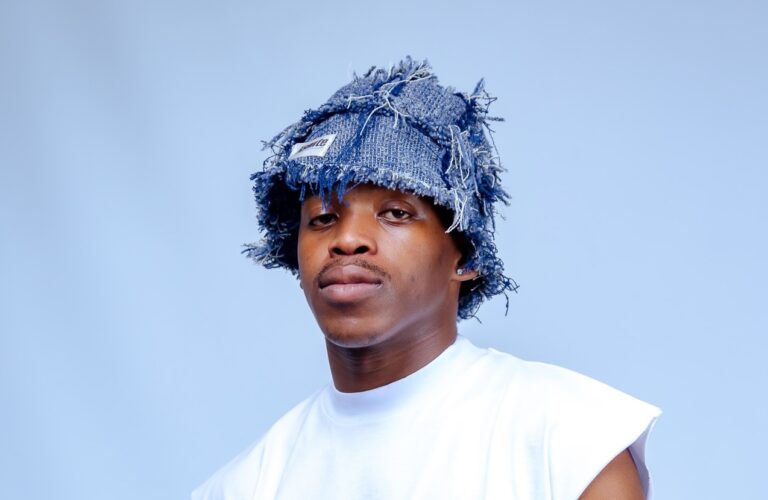
South African rapper Sesethu Myeki, popularly known as Big Xhosa, has sparked debate on social media after criticising what he describes as biased and misleading media coverage of South Africa’s anti-illegal immigration movement.
Also see: Big Zulu, Big Xhosa surprise fans with unreleased song
Big Xhosa criticises international coverage
The outspoken artist took to social media to express his frustration with how both local and international news outlets have reported on recent demonstrations and growing anti-illegal immigration sentiment in the country.
In a series of posts, Big Xhosa accused sections of the media of failing to accurately represent the views of those participating in the protests and of promoting narratives that he believes do not reflect events on the ground.
“Journalism is dead,” the rapper wrote, adding that he no longer trusts everything he reads in newspapers or sees reported by major media organisations.
Also see: Emtee and Big Xhosa react to being snubbed on CottonFest lineup
Big Xhosa’s comments came amid widespread coverage of the nationwide protests held on 30 June 2026, which drew significant attention from international media outlets and human rights organisations. Reports from several international publications highlighted concerns about rising anti-immigrant sentiments and the potential for xenophobic violence.
The rapper questioned some of these portrayals, arguing that the media had failed to distinguish between debates about undocumented immigration and broader attitudes toward foreign nationals.
He also encouraged his followers to seek out multiple sources of information and to critically evaluate media reports before accepting them as fact.
A growing national debate
Big Xhosa’s remarks have added another voice to an already heated national conversation around immigration, media representation, and public trust in journalism.
The 30 June demonstrations, organised by groups including March and March and other anti-illegal immigration movements, prompted extensive security deployments across the country amid concerns over potential unrest. While authorities reported isolated incidents of violence and criminal activity, the demonstrations were largely peaceful.
At the same time, researchers and civil society organisations have warned that misinformation, political rhetoric, and social media narratives have contributed to growing tensions around immigration issues in South Africa.
He said he had spent time researching the topic and was shocked by what he found.
“I’ve been reading deep into this anti-illegal immigrants movement. What I picked up is that the way journalists/newspapers/blogs from outside the country, and even some inside the country, have been falsely reporting things is insane. No fact-checking on stories; even when given facts, they still want to run with what they want to run with,” he said.
“I’ve learnt never to trust anything you read or see in papers,” he added. “Anyone outside the country reading things online, please fact-check them before you believe them. These papers can lie with no shame. Journalism is dead.”
Also see: Big Zulu and Big Xhosa’s collab set to drop soon
Be the first to know – Join our WhatsApp channel for content worth tapping into. Click here to join!