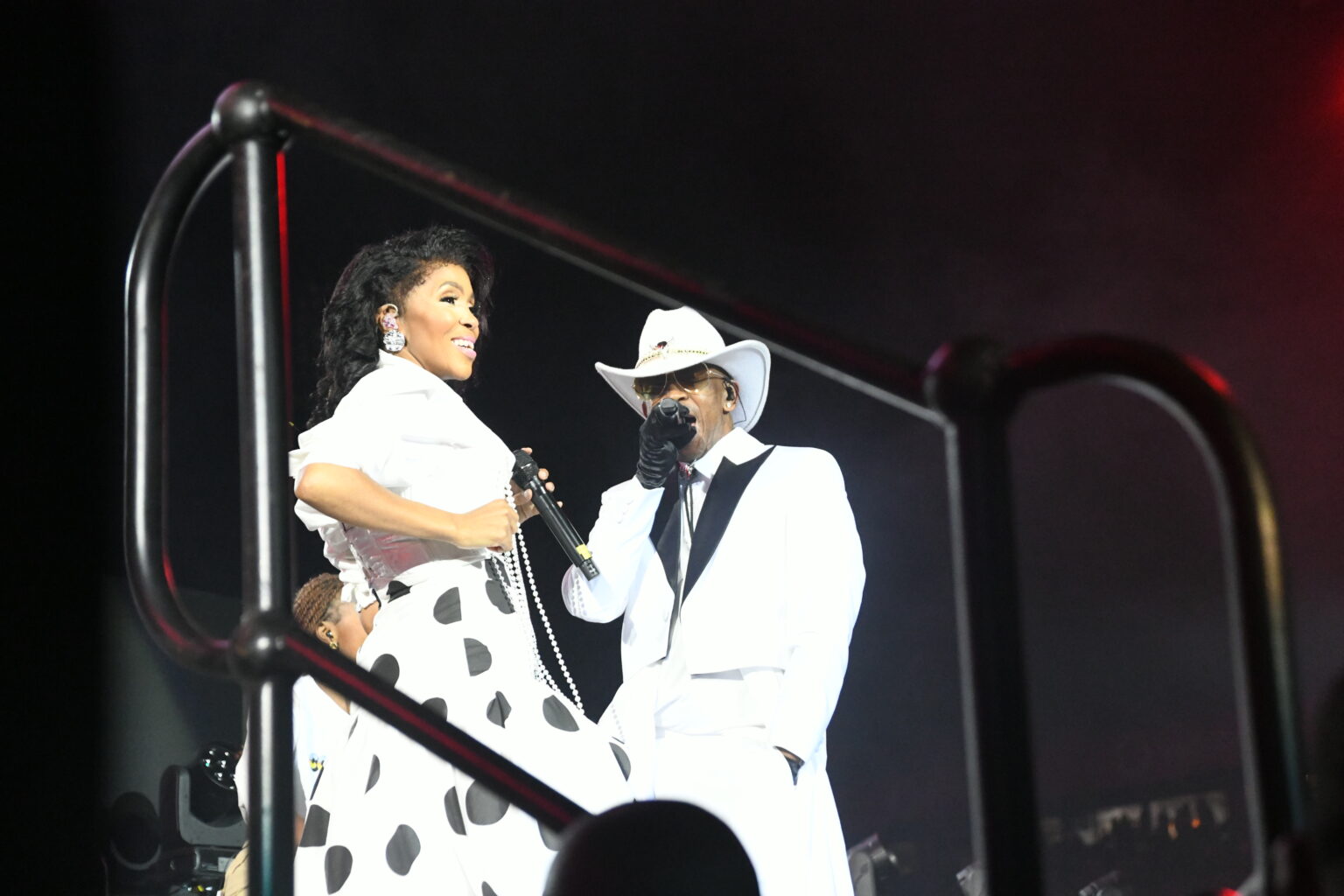

Actress and media personality Dineo Langa and whisky brand The Glenlivet South Africa have apologised after a Women’s Month advertising campaign referencing the historic 1956 Women’s March sparked widespread backlash.
Also see: Dineo Langa on KG Moeketsi’s SAFM dismissal: ‘Mom was done dirty’
The campaign, which has since been removed from social media, featured Dineo in a black-and-white promotional video referencing the legacy of the women who marched against apartheid pass laws. It included imagery and references to struggle icons such as Winnie Madikizela-Mandela, Lilian Ngoyi and Sophie Williams-De Bruyn.
The advert also referenced the famous slogan “Wathint’ abafazi, wathint’ imbokodo” — translated as “You strike a woman, you strike a rock” — while connecting the historical story to Glenlivet whisky.
Am I the only one offended by this ad? pic.twitter.com/hZwEXMKkId
— Noxolo Madonsela (@Noxxcee) August 28, 2026
Dineo Langa apologises
Dineo also acknowledged the criticism and apologised for her involvement in the campaign.
In her statement, she said she was sorry for the harm caused and acknowledged the seriousness of the situation.
“I understand the gravity of this mistake and will be more mindful in future,” Dineo said.
The actress’s apology came as debate continued over the role of celebrities and influencers in advertising campaigns involving historically and culturally significant issues.
I am sorry for the harm I have caused. I understand the gravity of this mistake and will be more mindful in future. https://t.co/ElWbtSEiBB
— Dineo Langa (@therealdineo) August 28, 2026
Also see: Kwesta’s ‘Spirit’ Brings South Africans Together Again in Nando’s New Era Advert
Why the advert caused controversy
The 1956 Women’s March, held on 9 August 1956, saw more than 20,000 women march to the Union Buildings in Pretoria to protest against apartheid pass laws.
The march was led by prominent activists including Lilian Ngoyi, Rahima Moosa, Sophie Williams-De Bruyn and Helen Joseph, and has since become one of the defining moments in South Africa’s liberation history.
Critics argued that connecting the event and its leaders to the sale of whisky trivialised the sacrifices made by the women involved.
Glenlivet says it is investigating
While the advertisement has been withdrawn and apologies have been issued, questions remain about how the campaign was developed and approved.
Glenlivet’s decision to investigate its internal approval process suggests the brand is taking the criticism seriously.
The controversy has also sparked a broader conversation about how brands use South Africa’s liberation history in commercial campaigns, particularly during commemorative periods such as Women’s Month.
For Dineo, the backlash has resulted in a public apology, while Glenlivet has removed the campaign and apologised to those who were offended.
The incident has once again highlighted the importance of sensitivity when commercial campaigns draw on events and figures that hold deep historical significance for South Africans.
Also see: KFC’s new advert has TikTok users uncomfortable
Be the first to know – Join our WhatsApp channel for content worth tapping into. Click here to join!