
For generations, the conventional blueprint of South African masculinity has been heavily anchored in stoicism, financial provision, and emotional invulnerability.
Phrases like “indoda ayikhali” (a man does not cry) have long dictated how boys and men navigate distress, boxing them into rigid cultural and social expectations.
Also see: BRIDGING THE DIGITAL DIVIDE IN COMMUNITY MENTAL HEALTH WITH ESTHER CHUNGA
However, a profound shift is underway across the country. Modern South African men are increasingly dismantling these outdated tropes, rewriting the narrative of what it means to be strong, and openly confronting the silent crises of mental health and fatherhood.
The heavy toll of traditional expectations
For a long time, mental health struggles among South African men remained a hidden epidemic, largely exacerbated by stigma and rigid gender norms. According to data highlighted by the South African Depression and Anxiety Group (SADAG), a staggering 75% of individuals who die by suicide in South Africa are men.
Clinical psychologists and advocacy groups note that men are frequently socialised to bottle up emotions, treating stress, anxiety, and depression as signs of weakness rather than health conditions requiring care.
Clinical psychologist Shai Friedland, in discussions unpacking stress and silent emotional explosions, has emphasised that unexpressed emotions do not simply disappear; instead, they build up silently until individuals reach breaking points.
This suppression frequently impacts work productivity, interpersonal relationships, and overall well-being, highlighting an urgent need for safe spaces where men feel genuinely heard without judgement.
Reshaping fatherhood and emotional presence
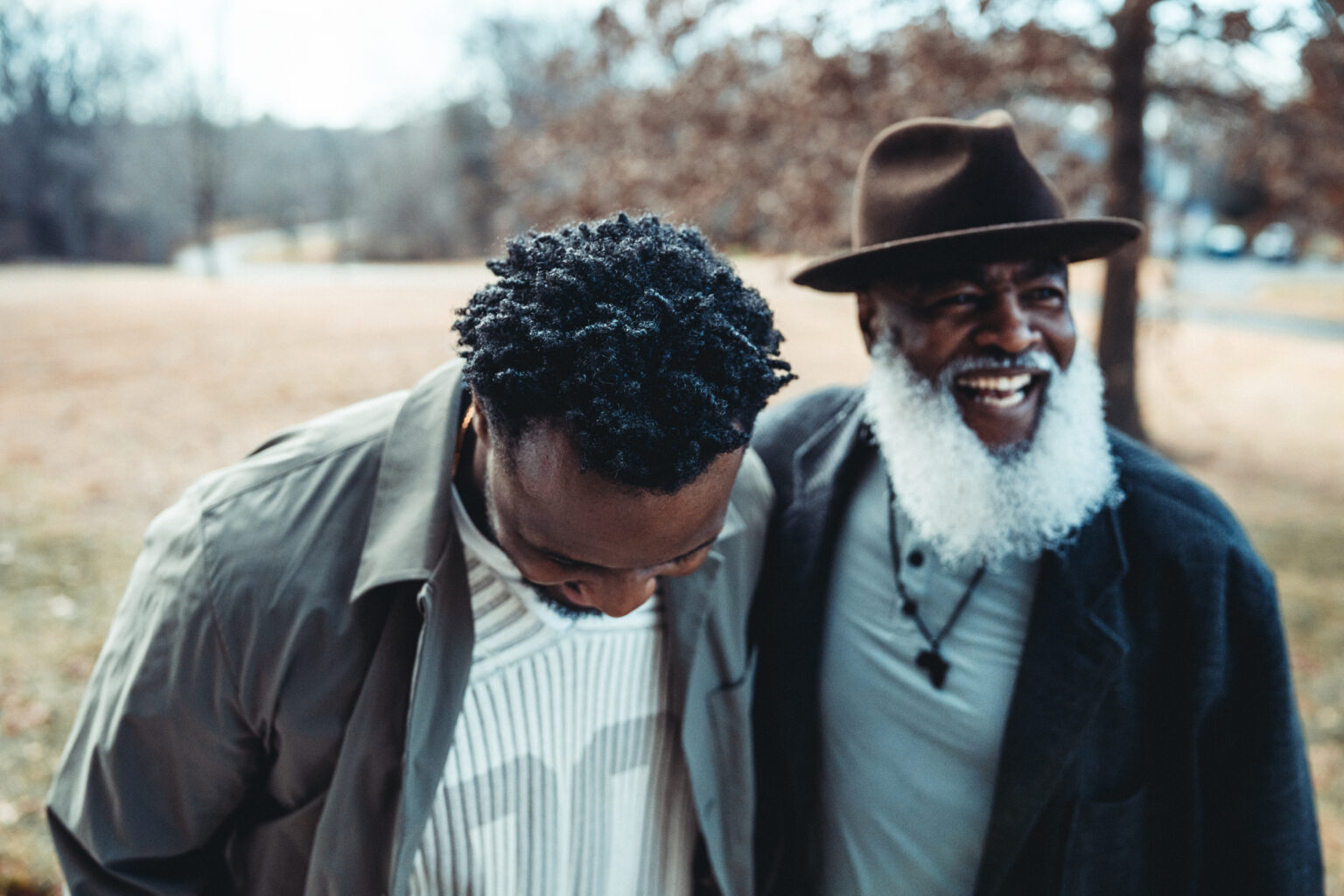
Parallel to the conversation around men’s mental health is a fundamental re-examination of fatherhood in South Africa. Historically, societal definitions of a good father were restricted to financial provision. Yet, contemporary research and community initiatives are expanding this narrow definition to centre emotional availability, caregiving, and active daily engagement.
Academic institutions and specialised research bodies have played a pivotal role in bringing these realities to light.
The State of South Africa’s Fathers report, published triennially by collaborative networks including Stellenbosch University’s Tataokhona research group alongside experts like Professor Tawanda Makusha, Professor Kopano Ratele, and Dr Wessel van den Berg, highlights that while father-child engagement is generally high, the emotional and mental health needs of fathers are frequently overlooked.
The findings emphasise that nurturing and caring work are vital components of modern fatherhood, though socio-economic pressures and unemployment often create systemic barriers that hinder men from participating as fully as they wish in their children’s daily lives.
Also see: THE IMPORTANCE OF RECOGNISING MENTAL HEALTH STRUGGLES THAT OFTEN GO UNNOTICED
Grassroots action and community support networks
Real change is also happening on the ground through targeted community interventions. Organisations such as Families South Africa (FAMSA) Western Cape, in partnership with initiatives like Sonke Gender Justice’s MenCare campaign, run dedicated Fatherhood Projects.
Operating in areas like Mitchells Plain, Factreton, Bishop Lavis, and Dunoon, these programmes provide facilitated spaces where men can openly discuss emotional regulation, children’s feelings, self-esteem building, and healthy communication skills.

By fostering dialogue among peers, these community structures dismantle the myth that parenting is exclusively maternal and equip men with tools to handle psychological distress.
Similarly, campaigns such as SADAG’s Hear Him Out initiative have worked to create dedicated digital resources, support groups, and online expert sessions during Men’s Health Month and beyond, reminding the public that true strength is found in honesty and seeking help.
Moving toward a healthier future
As more public figures, community leaders, and everyday fathers use their platforms to speak candidly about vulnerability, the cultural landscape is shifting. Redefining strength in modern South Africa no longer means enduring hardship in isolation.
Instead, it is being reframed as the courage to speak up, seek support, and show up fully, both for oneself and for the next generation.
Featured image: iStock/Javi Sanz
Also see: WORKPLACE MENTAL HEALTH: WHY SILENCE DOESN’T MEAN EVERYTHING IS FINE
Be the first to know – Join our WhatsApp channel for content worth tapping into. Click here to join!