

In South Africa’s under-resourced township environments, community-based mental health organisations operate on the frontlines of complex social challenges.
From navigating long waiting lists to managing door-to-door home visits, practitioners often balance heavy clinical demand with limited operational tools.
Also see: HOW URBAN GARDENING IS RESHAPING MENTAL HEALTH AND FOOD SECURITY
To explore how digital infrastructure transforms frontline mental health care, Esther Chunga shares how Ububele, an organisation that has supported vulnerable children and families in Alexandra for over 25 years, is leveraging digital tools, data, and human-centred technology to strengthen care from the first 1,000 days of life onward.
From administration to clinical presence
For clinicians working across therapy rooms, preschools, homes, hospitals, and clinics, mobility and real-time record-keeping are critical.
“The laptops will make a very practical difference to the way our clinicians work,” explains Chunga. “At Ububele, our practitioners are not only sitting in an office. They are working across therapy rooms, our preschool, homes, hospitals, clinics and community settings, and they need to be able to move between these spaces while maintaining accurate and confidential records.”
Beyond basic administrative efficiency, good technology serves as vital infrastructure supporting longitudinal care. Digital systems and CRM tools allow clinical teams to construct a coherent narrative of a family’s journey, tracking assessments, attendance, and broader service needs while identifying patterns like repeated disengagement.
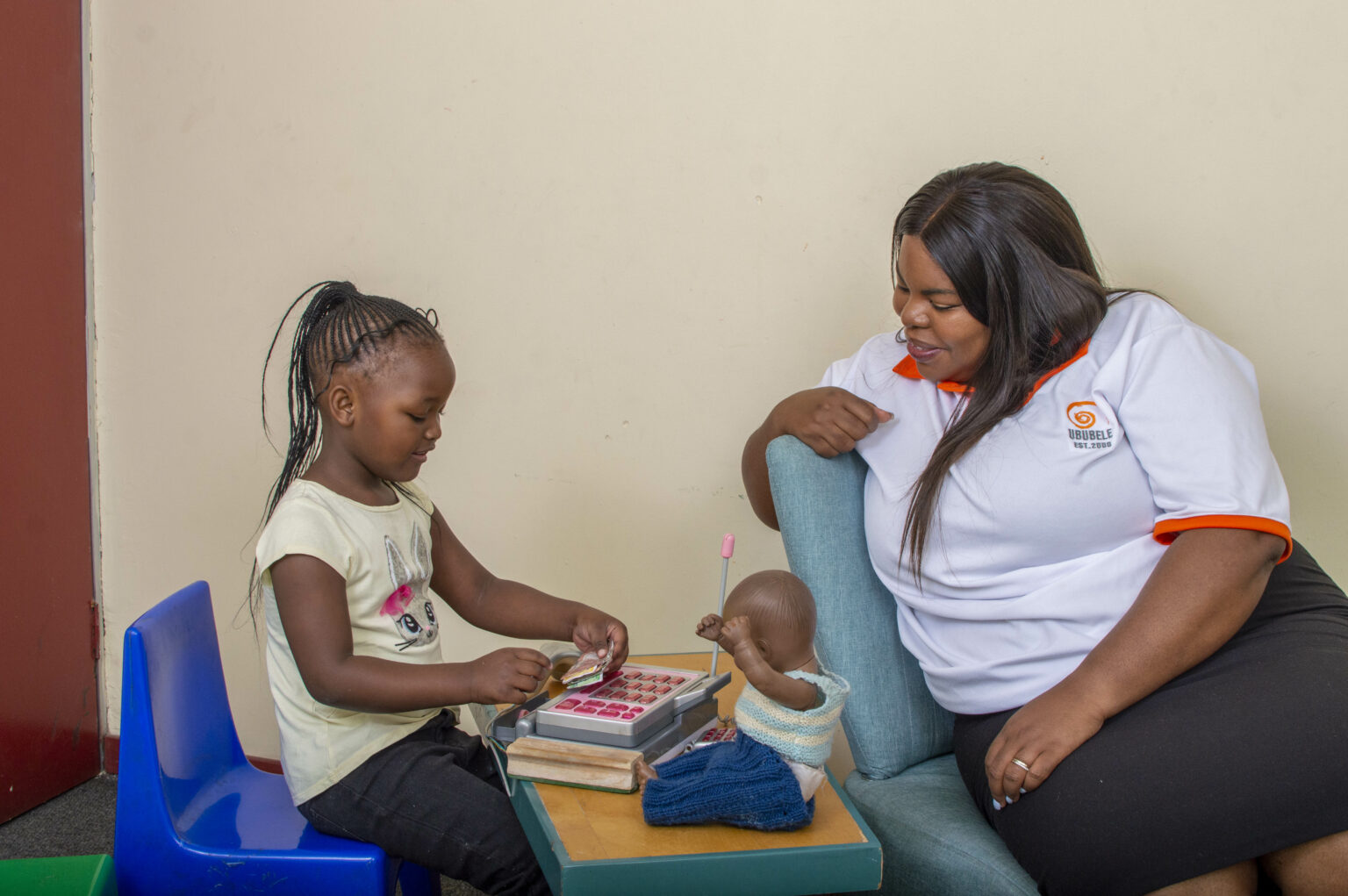
“Good technology is part of the infrastructure that supports good clinical care,” says Chunga. “When practitioners have the tools they need, they can spend more of their time doing what matters most; being present with children, caregivers and families.”
Addressing postpartum depression in marginalised communities
Ububele places a profound emphasis on the first 1,000 days of life, a window where maternal well-being directly shapes early childhood development.
Postpartum Depression (PPD) affects mothers across all socio-economic backgrounds, but those living in historically marginalised townships encounter cumulative adversity. South African research in disadvantaged communities links maternal depressive symptoms with food insecurity, low income, overcrowding, and domestic violence.
Rather than individualising depression, Ububele recognises that PPD is heavily shaped by a mother’s environmental context.
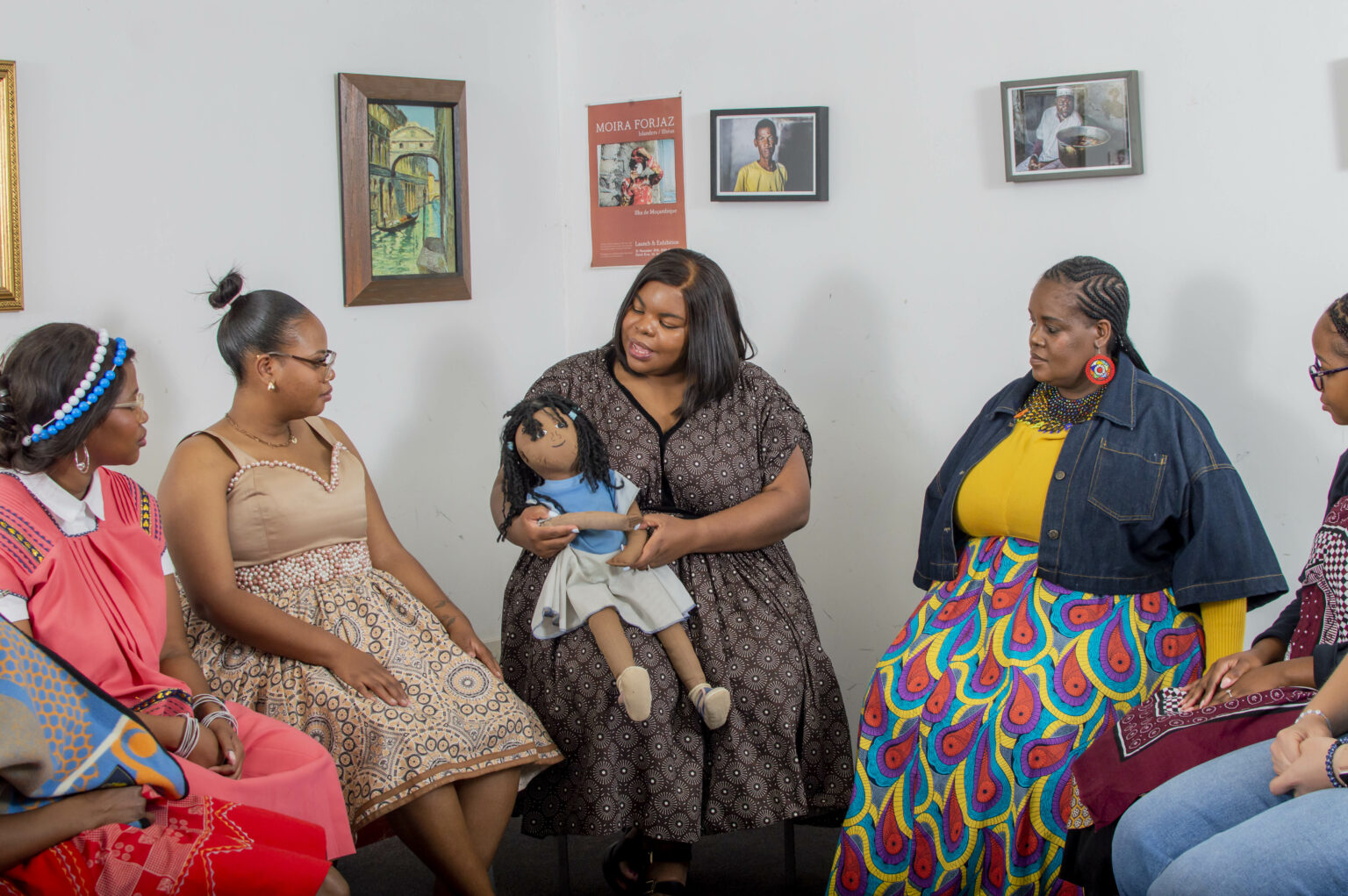
“We can ask, ‘Why is this mother depressed?’ without asking what she is having to carry,” Chunga emphasises.
“She may be caring for a new baby while living in overcrowded conditions, worrying about food, unemployment or finances, experiencing relationship difficulties or violence, and having very little practical or emotional support… Supporting the mother is also supporting the developing relationship between the caregiver and child.”
Also see: FREE MENTAL HEALTH SUPPORT NOW A CLICK AWAY FOR SOUTH AFRICANS
Bridging support through human-centred tech
To reach isolated or stigmatised mothers who might hesitate to visit a clinic, Ububele utilises Vuna, a WhatsApp-based digital parenting and support platform originally developed during pandemic disruptions. Unlike automated bots, Vuna is staffed by qualified psychologists and counsellors who provide responsive, human connection.
“Digital platforms can provide a very important bridge into mental health care,” explains Chunga. “A WhatsApp-based parenting support service or virtual check-in can feel much less intimidating. For Ububele, Vuna is an example that technology provides the platform, but it is the human relationship, clinical thinking and support behind it that make the intervention meaningful.”

Scaling impact and ensuring sustainability
Given the severe national shortage of mental health professionals in South Africa, community capacity-building is essential. Digital connectivity allows Ububele to scale its practitioner training programs and upskill local community health workers across Gauteng and beyond without travel barriers.
Furthermore, digital infrastructure secures organisational sustainability for non-profits through transparent data collection, outcome monitoring, and impact reporting.