The romanticised image of the solitary artist toiling away in an isolated garret remains a persistent cultural trope, but in contemporary creative industries, isolation is far more likely to breed burnout than brilliance.
Also see: THE KASI TOUR HITS THE ROAD: CELEBRATING STREET CULTURE, FASHION, AND COMMUNITY
Whether navigating the volatile currents of independent filmmaking, freelance writing, or multidisciplinary arts, modern creatives increasingly face professional isolation.
To combat this, a robust ecosystem of universities, cultural institutions, and collaborative spaces, both globally and across South Africa, is stepping up to protect the creative spark through community, shared infrastructure, and peer-to-peer mentorship.
Institutional and grassroots sanctuaries
Around the world, academic institutions and specialised arts organisations have recognised that sustainable artistic careers require physical and psychological infrastructure. Programmes such as those at the Royal College of Art (RCA) in London and the New York University (NYU) Tisch School of the Arts explicitly integrate collaborative incubator spaces into their curricula.
These institutions move beyond traditional classroom instruction by providing shared studios, digital labs, and cross-disciplinary critique groups designed to break down the silos between writers, producers, and visual artists.
View this post on Instagram
Similarly, international artist residency networks, such as Res Artis, a worldwide network of over 700 centres and organisations operating across more, and the MacDowell Colony in the United States, provide dedicated time and shared communal spaces where creators live and work alongside peers.
By embedding artists in communal dining halls and shared studio complexes, these organisations intentionally engineer accidental collisions and interdisciplinary dialogues, proving that creative breakthroughs rarely happen in a vacuum.
Nurturing local talent through education
Locally, South Africa boasts a vibrant, community-driven network of incubators, academic programmes, and cultural hubs that actively combat isolation by rooting artists in supportive physical and professional networks.
Institutions like AFDA, The School for the Creative Economy, with campuses in Cape Town, Johannesburg, Gqeberha, and Durban, embed collaborative production models directly into their undergraduate and postgraduate training.
By forcing writers, directors, producers, and performers to work in interdisciplinary crews from day one, AFDA dismantles the solitary nature of creative development, preparing students for the interdependent reality of the film, television, and media industries.
Creative working spaces
Beyond academia, physical co-working spaces and cultural incubators across the country have become vital anchors for independent creators:
View this post on Instagram
- The Bag Factory Artists’ Studios (Johannesburg): A pioneering visual arts organisation that provides subsidised studio spaces, international exchange residencies, and regular public exhibitions, directly connecting marginalised and emerging artists with a broader community of peers and curators.
- The Centre for Less Good Idea (Johannesburg): Founded by William Kentridge, this multidisciplinary incubator acts as a physical and intellectual sanctuary where performance artists, writers, musicians, and designers collaborate on experimental, short-form work, actively combating the isolation of independent artistic practice.
Also see: WHY CREATIVE PRODUCERS AND WRITERS ARE THE BACKBONE OF SOUTH AFRICAN TELEVISION
- The Writing Room and Guild Networks: Local literary and screenwriting initiatives that host writers’ rooms, masterclasses, and peer review circles, helping solitary authors and scriptwriters navigate the psychological weight of long-form storytelling.
- Creative Hubs and Creative Co-Working Spaces: Venues across Cape Town and Johannesburg, ranging from communal digital spaces in Woodstock and Observatory to community arts centres, provide affordable desk space, networking mixers, and collaborative workshops for digital content creators, producers, and independent publishers.
Why community matters now more than ever
The psychological toll of creative isolation, often compounded by irregular incomes, freelance precarity, and the subjective nature of artistic evaluation, can extinguish talent long before it reaches its peak.
Collaborative spaces and institutional networks provide a two-fold defence: tangible resources like shared equipment, funding access, and legal guidance, alongside the intangible safety net of shared empathy.
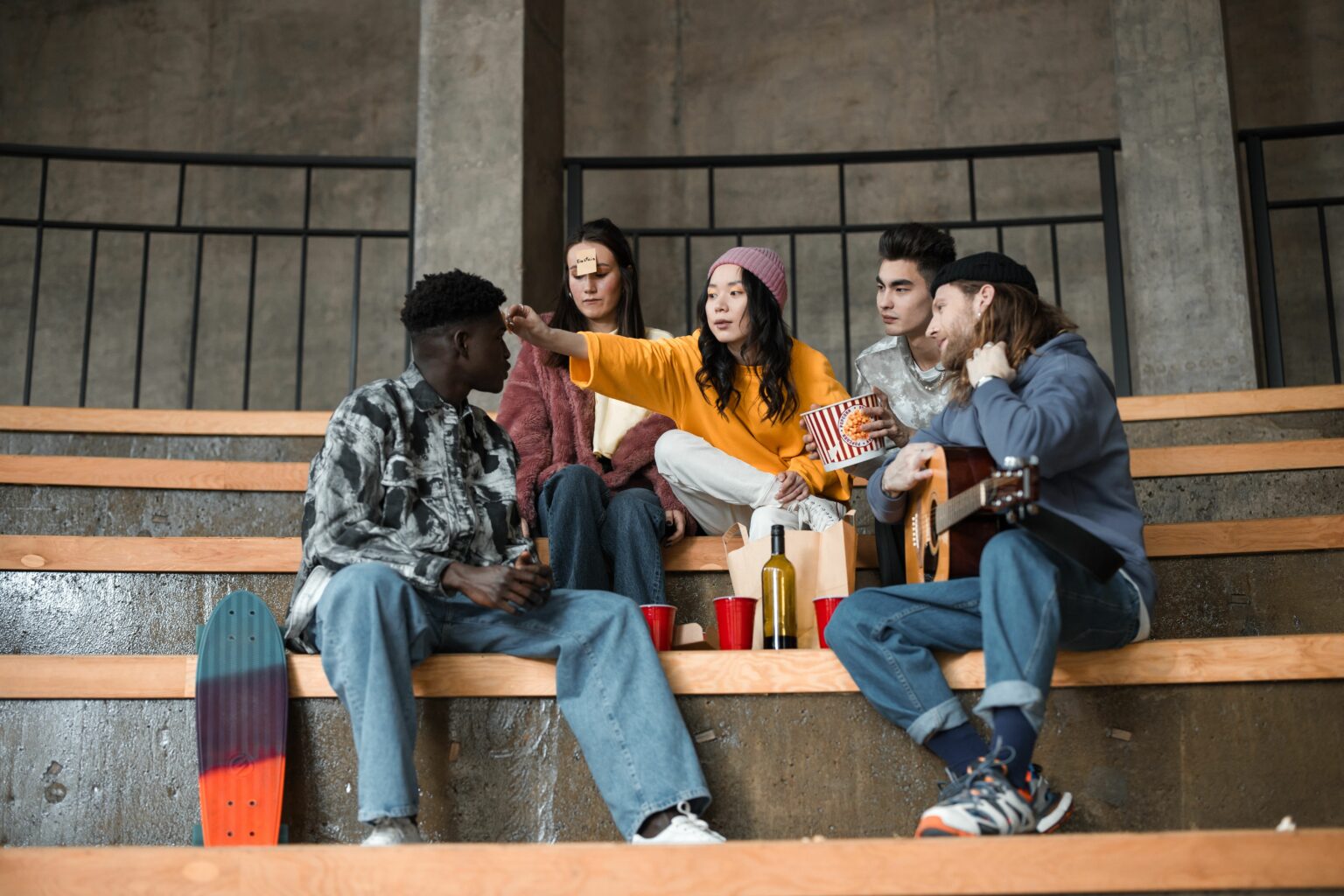
Featured image: Pexels/Ron Lach
Also see: VIBRANT SPACES SHAPING SOUTH AFRICA’S CREATIVE SCENE
Be the first to know – Join our WhatsApp channel for content worth tapping into. Click here to join!