With the rising cost of everyday essentials, making groceries last longer is a practical way to save money, reduce food waste and get more value from your shopping budget.
Also see: How to Save Money on Groceries in South Africa
From storing fresh produce correctly to planning meals and freezing leftovers, a few simple habits can help households make the most of the food they buy.
According to the City of Cape Town, planning meals, preparing shopping lists and storing food properly are among the ways households can reduce food waste.
Here are practical ways to keep your groceries fresher for longer.
1. Plan your meals before shopping
One of the easiest ways to prevent food from going to waste is to plan your meals before heading to the supermarket. Check your fridge, freezer and cupboards to see what you already have, then make a shopping list based on the meals you intend to prepare.
Avoid buying fresh produce in large quantities if you know you will not use it before it spoils. Buying only what your household needs can help prevent unnecessary spending and reduce the amount of food thrown away.
It is also useful to plan meals around ingredients that can be used in different ways. For example, leftover vegetables can be added to soups, stews, omelettes or pasta dishes.
2. Store fruit and vegetables correctly
Different fruits and vegetables have different storage needs. Some last longer in the fridge, while others are better kept in a cool, dry place.
Keep leafy greens refrigerated and store them in a suitable container or bag to help retain freshness. Remove damaged leaves and check produce regularly for signs of spoilage.
Potatoes, onions and sweet potatoes generally do better in a cool, dark, well-ventilated place rather than in a damp environment. Keep potatoes away from direct sunlight and avoid storing onions and potatoes together, as their storage needs differ.
Some fruits, including bananas, apples and avocados, produce or respond to ethylene, a natural ripening gas. Keeping ripening fruit separate from sensitive produce can help slow premature ripening.
The US Food and Drug Administration recommends refrigerating cut or peeled vegetables and keeping stored food covered to maintain quality and reduce contamination risks.
3. Keep your fridge organised
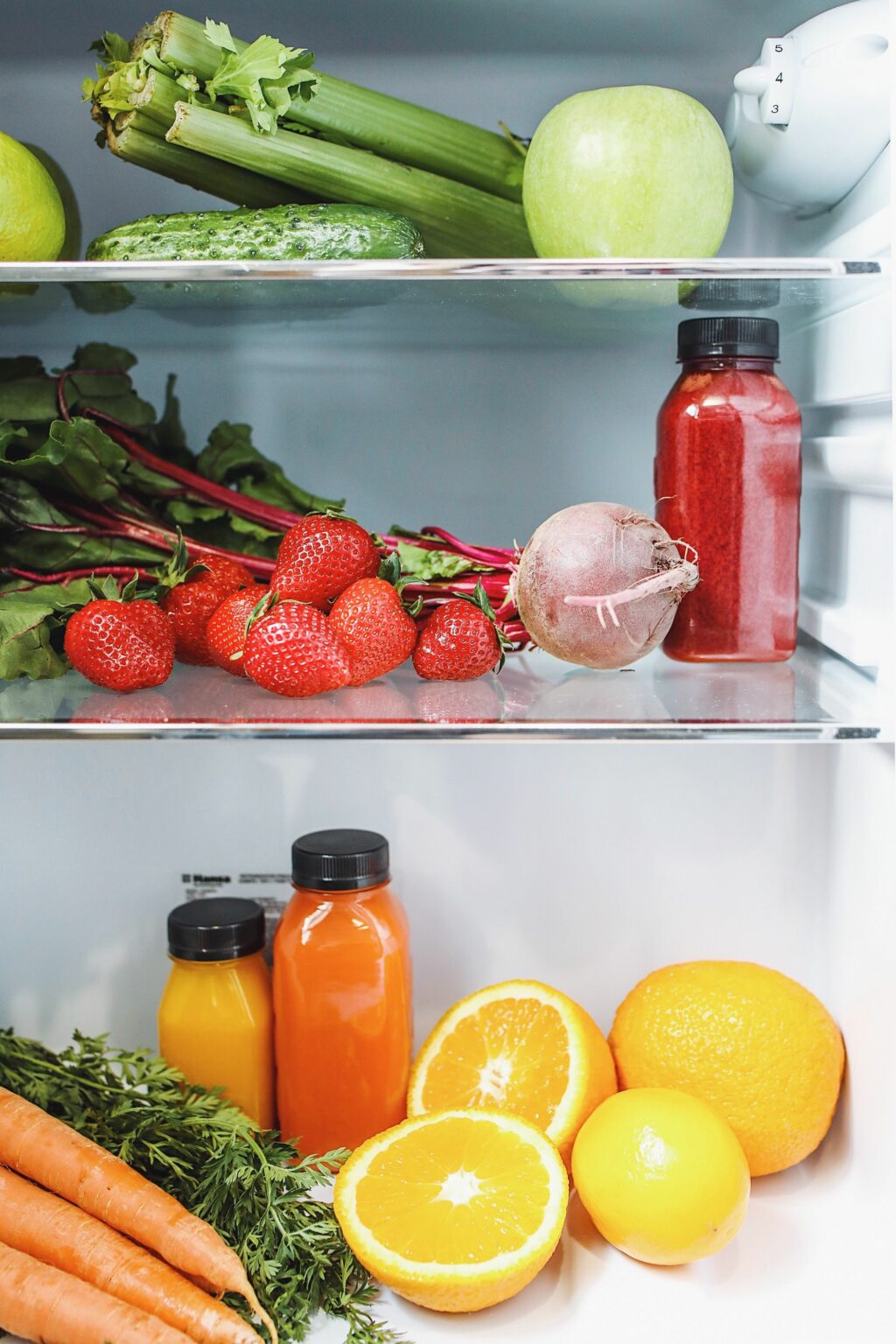
A well-organised fridge makes it easier to see what needs to be used first. Move older groceries to the front and place newly purchased items behind them. This first-in, first-out method helps prevent food from being forgotten until it expires.
Keep your fridge at or below 4°C and your freezer at -18°C. Avoid overfilling the fridge, as cold air needs room to circulate. Store raw meat and poultry in sealed containers on the lowest shelf to prevent juices from dripping onto other foods.
Check storage instructions on packaging, as some products need refrigeration immediately after opening.
Also see: Why your weekly groceries are suddenly costing more
4. Use your freezer to prevent waste
Freezing is a useful way to preserve groceries you cannot use immediately. Bread, cooked meals, meat and many vegetables can be frozen, provided they are prepared and packaged appropriately.
Divide food into meal-sized portions before freezing so you only defrost what you need. Label containers with the contents and freezing date to make it easier to keep track of supplies.
If fresh vegetables are approaching the end of their shelf life, consider cooking them before freezing, where appropriate. Always follow suitable preparation and storage guidance for each food.
5. Handle leftovers safely
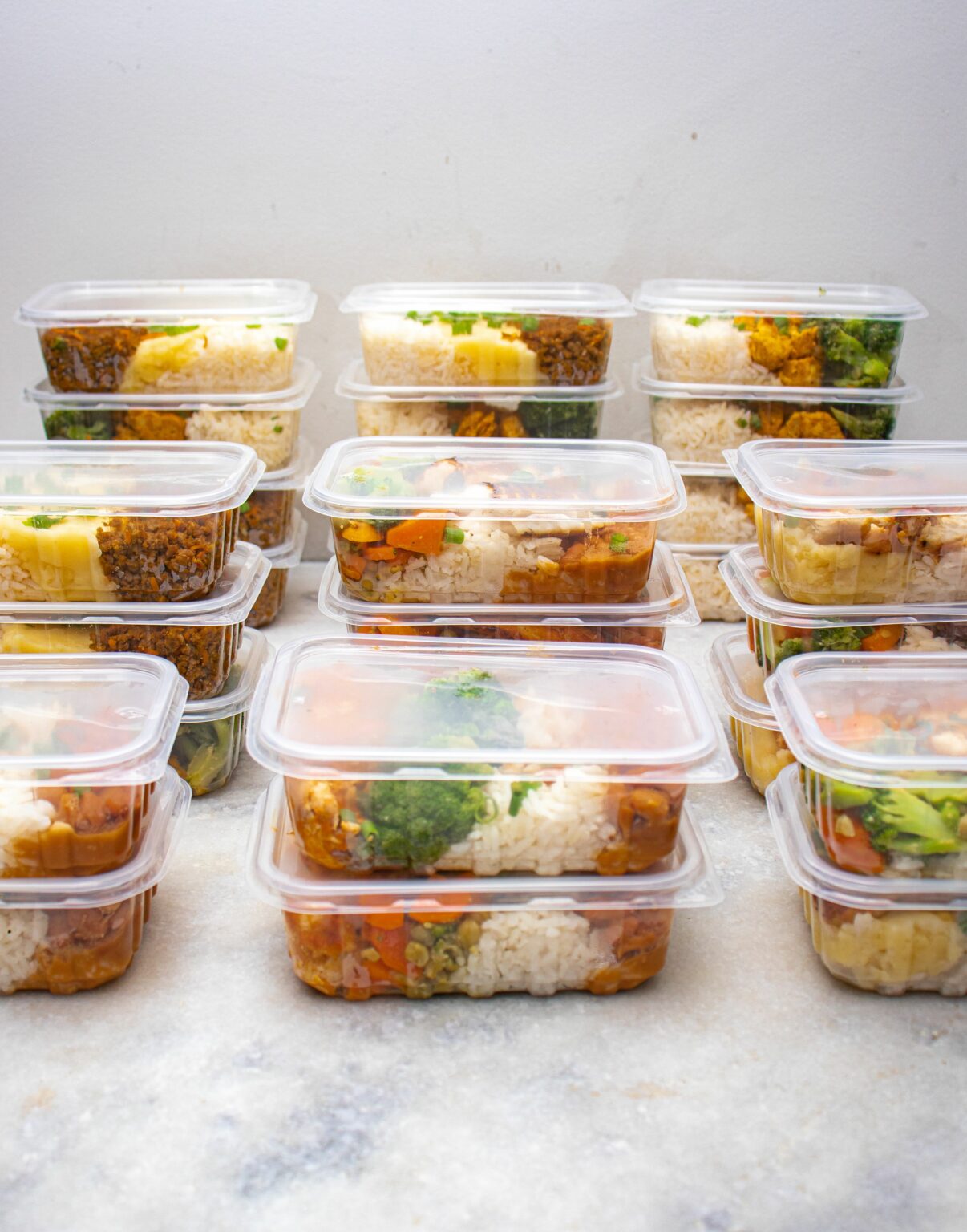
Leftovers can stretch your grocery budget by providing another meal, but they must be stored safely. Refrigerate cooked food promptly in shallow, covered containers rather than leaving it on the counter for extended periods.
The US Department of Agriculture advises refrigerating leftovers within two hours and using most refrigerated cooked leftovers within three to four days. Reheat leftovers thoroughly before eating. If you will not use them in time, freeze them instead.
Featured image: Pexels/Ron Lach
Also see: Where groceries cost a fortune in South Africa
Be the first to know – Join our WhatsApp channel for content worth tapping into. Click here to join!