

Social media has become part of everyday life, offering people a way to stay connected, share experiences and access information. However, the way people use these platforms can also influence their emotional well-being, sleep patterns, self-esteem and relationships.
Also see: Social media erupts over workplace meeting fatigue
While social media is not inherently harmful, certain habits — such as constantly comparing yourself to others, scrolling late into the night or feeling pressured to stay online — can affect your quality of life. Recognising these patterns can help you build a healthier relationship with the digital world.
1. Constantly comparing yourself to others
Social media often presents carefully selected highlights of people’s lives, including holidays, career achievements, relationships, physical appearances and expensive purchases. Comparing your everyday experiences with these curated images can leave you feeling inadequate or as though you are falling behind.
According to the American Psychological Association, social media use can have different effects depending on the individual, the content they encounter and how they engage with it. Repeated exposure to idealised images and lifestyles may contribute to negative feelings about body image and self-worth, particularly among young people.
What you can do: Unfollow accounts that consistently make you feel unhappy about yourself and follow people or pages that encourage realistic expectations, creativity and personal growth.

Also see: How to curate a healthier social media feed
2. Scrolling for hours without realising it
Opening an app for a few minutes can easily turn into an hour of scrolling through videos, comments and updates. When this becomes a regular habit, it can take time away from exercise, hobbies, responsibilities and face-to-face interactions.
Research published in JAMA Psychiatry found an association between higher social media use and increased internalising problems, such as anxiety and depression symptoms, among adolescents. This does not prove that social media alone causes these difficulties, but it highlights the importance of paying attention to usage patterns.
What you can do: Set realistic time limits, turn off non-essential notifications and take regular breaks. You can also avoid opening social media automatically whenever you have a spare moment.
3. Using your phone just before bedtime
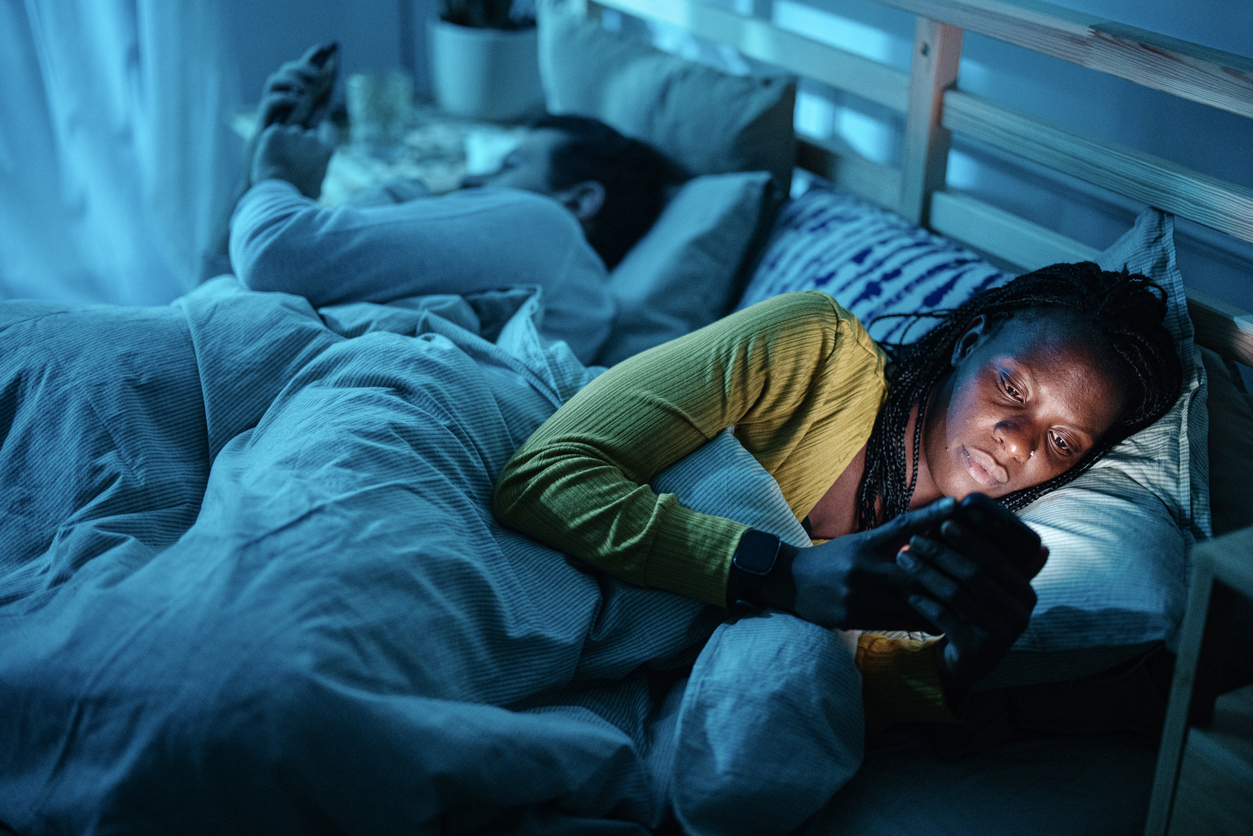
Checking notifications, watching videos or reading comments late at night can delay bedtime and interfere with a consistent sleep routine. Poor sleep may, in turn, affect your mood, concentration and ability to manage daily stress.
According to the American Psychological Association, social media use around bedtime is associated with sleep disruption among adolescents. Its health advisory recommends ensuring that social media does not interfere with young people’s sleep or physical activity.
4. Seeking validation through likes
When likes, views and comments become measures of self-worth, people may feel disappointed when their posts receive little attention. Constantly checking engagement can also increase anxiety about how others perceive them.
Instead, focus on sharing content that reflects your interests rather than relying on online reactions for reassurance.
5. Engaging with negative content
Repeated exposure to online arguments, harassment, upsetting news and hateful comments can become emotionally exhausting. Cyberbullying is another concern, particularly for younger users.
Muting or blocking harmful accounts, reporting harassment and limiting exposure to distressing content can help create a safer online experience.
Featured image: Pexels/Mart Productions
Also see: Ntathu Zungu’s 702 mic adventure leaves social media in stitches
Be the first to know – Join our WhatsApp channel for content worth tapping into. Click here to join!