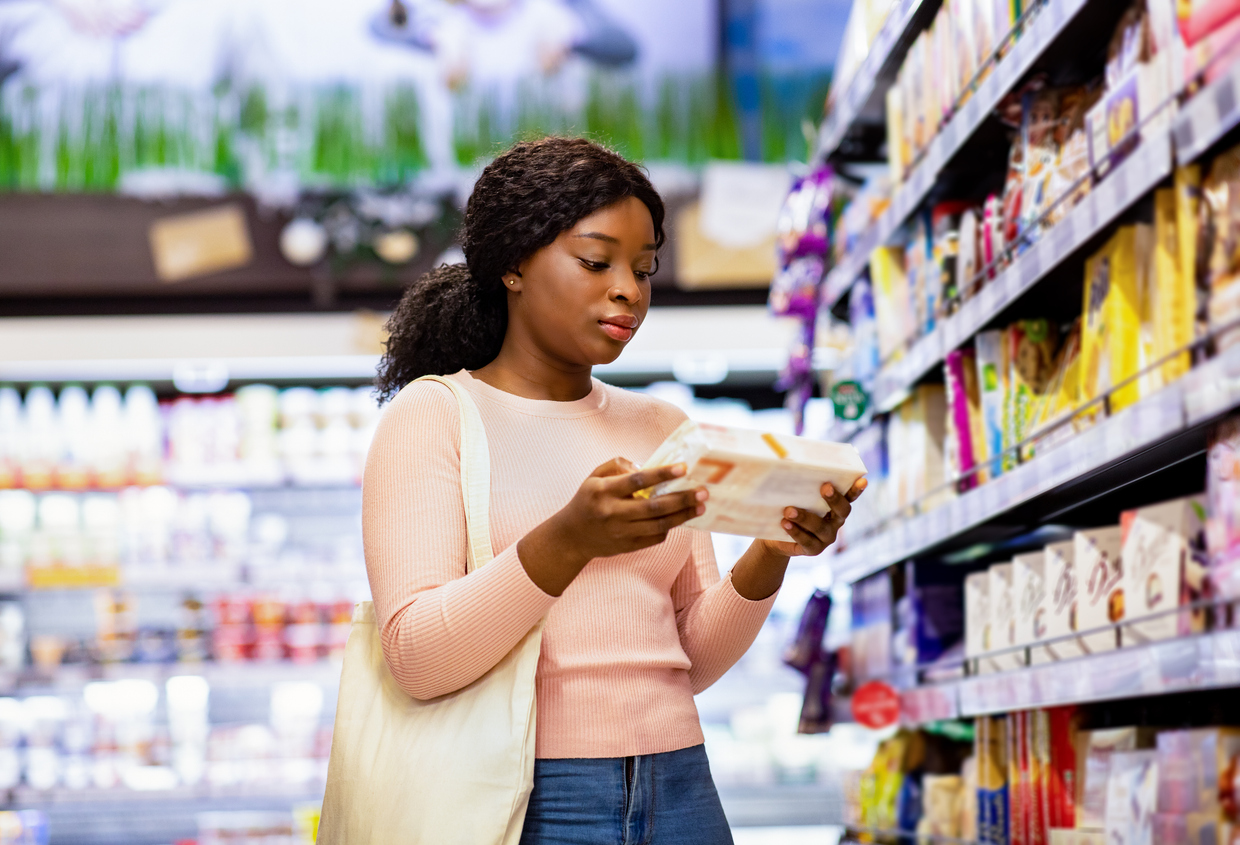
Repeated supermarket ‘top-up’ trips could be quietly eating into household budgets, with a financial expert warning that several small shops can be much harder to keep track of than one planned grocery spend.
Also see: Grocery shopping mistakes costing South Africans thousands a year
Although annual food inflation remained relatively subdued at 1.1% in August 2026, Statistics South Africa recorded increases across several food categories, including fish and seafood, dairy products and some breads.
Hendri Van Dyke, an independent professional consultant at My Mulah, says the problem with top-up shopping is often less about one expensive purchase and more about losing sight of the cumulative total.
“You go in because you need milk and bread, then remember two other things while you’re there. None of those trips feels particularly expensive on its own.”
“The problem is doing that several times between your main grocery shops without adding up what you’ve actually spent.”
His advice is to give top-up shops their own budget rather than treating them as miscellaneous spending.
“If your grocery budget is R4,000, don’t spend the entire R4,000 on the main shop and then assume you’ll somehow absorb another R500 of top-ups during the month.”
“Keep part of the grocery budget aside specifically for fresh food and genuine replacements. Once that pot is empty, you know you need to work with what you already have.”
Also see: Smart ways to cut your grocery costs without starving yourself
Shop at home before going back to the supermarket
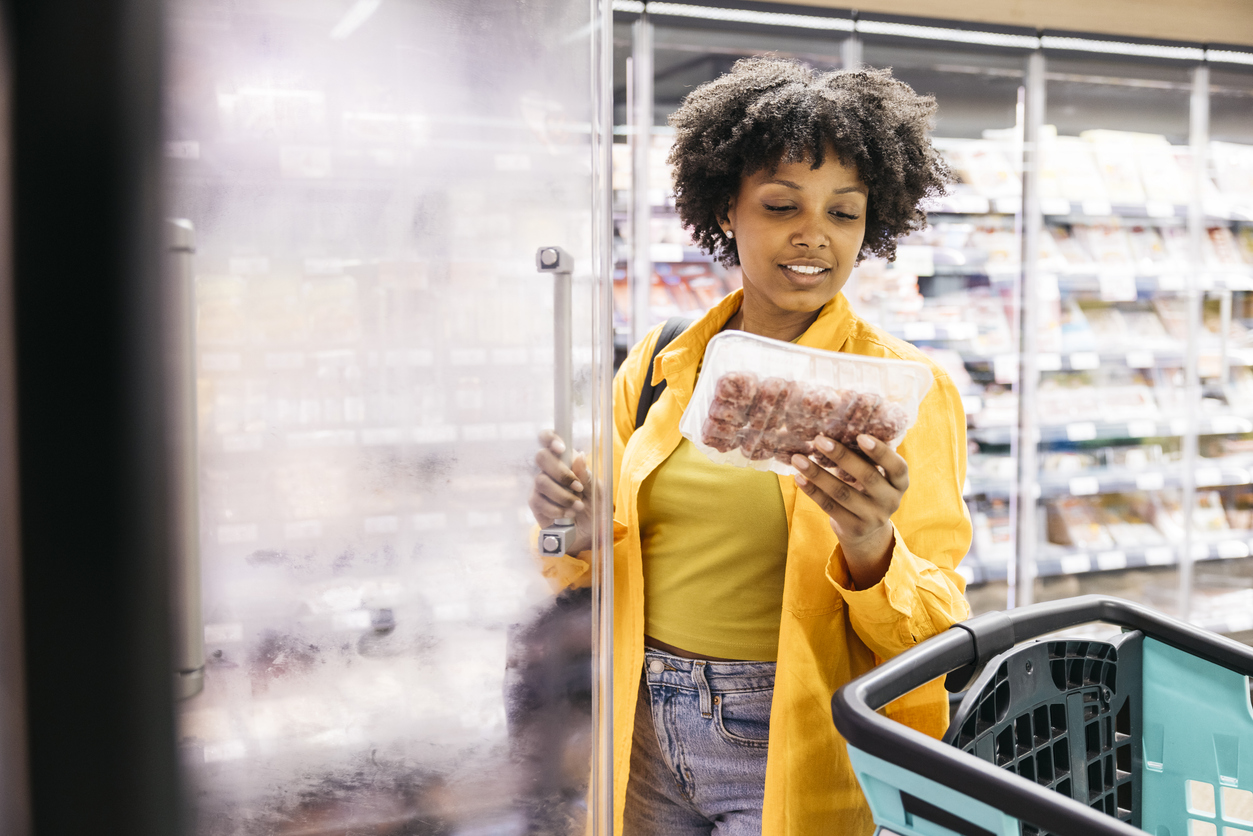
Before making another trip, Hendri recommends checking the fridge, freezer and cupboards and planning around what is already available.
“A lot of us decide what we fancy eating and then go shopping for the missing ingredients. At the end of the month, reverse that process.”
“Look at what needs using first and build the next couple of meals around it. You might only need one ingredient rather than coming home with another bag of groceries.”
A short written list can also prevent a small top-up becoming another full shop.
“If you’re only going in for four things, write down those four things before you leave home.”
“It sounds ridiculously simple, but having a defined reason for the trip makes it much easier to recognise when you’re adding things because you need them and when you’re adding them because you’ve seen them.”
Hendri adds that keeping a running monthly grocery total is particularly useful.
“You don’t need a complicated spreadsheet. Even one note on your phone where you add each grocery spend can be enough.”
“The individual trips might not look worrying. Seeing R180, R240 and R320 added together is what tells you where the budget is actually going.”
Also see: Money-saving kitchen hacks that can help stretch your grocery budget
Be the first to know – Join our WhatsApp channel for content worth tapping into. Click here to join!