

For consumer brands, landing shelf space in major retail chains is one of the most significant commercial milestones. However, securing a distribution deal is only half the battle.
Also see: Helpful tips for Christmas shopping on a budget
The true test begins with retail readiness, the operational, structural, and visual standard required to ensure a product seamlessly transitions from factory warehouse to store shelf, and ultimately into a shopper’s basket. In fast-moving consumer goods (FMCG), packaging can no longer serve solely as a protective wrapper or a canvas for branding.
Modern retail readiness requires a delicate balance between supply chain compliance, visual architecture, and consumer psychology.
Supply chain efficiency and shelf-ready packaging
According to global trade benchmarks established by the Efficient Consumer Response (ECR) Community, retail-ready packaging (RRP) or shelf-ready packaging (SRP) must adhere to core operational principles.
Packaging must be easy to identify with clear outer casing for warehouse inventory, easy for staff to open without box cutters, and designed to match standard shelf dimensions without displacing surrounding stock. Additionally, trays must allow shoppers to retrieve individual items smoothly while using single-material, recyclable fibre structures to simplify back-of-house waste disposal.
Research by market intelligence group Smithers indicates that adoption of standardised SRP cuts in-store restocking labour by up to 40%, making compliant brands significantly more attractive to prospective retail buyers.
Also see: Grocery shopping mistakes costing South Africans thousands a year
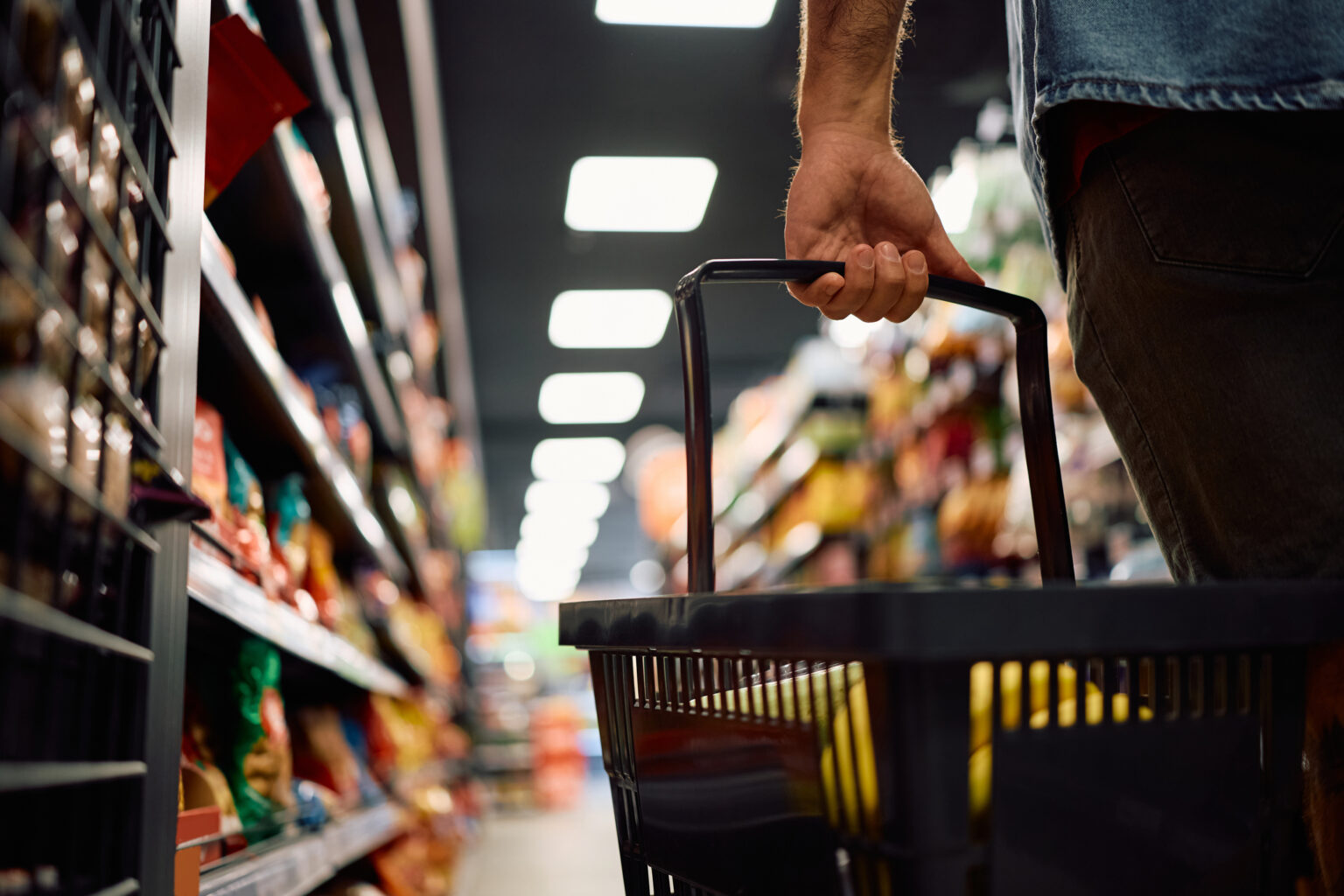
Visual architecture and the ‘3-second rule’
Consumer decision-making research from Clemson University Packaging Science Department shows shoppers spend an average of three to five seconds scanning a retail shelf before making a selection.
In a crowded aisle, packaging design must execute a clear message hierarchy, placing a high-contrast brand logo in the top third of the primary display panel, using distinct colour cues to communicate the product category instantly, and highlighting concise value claims like Sustainably Sourced or Sugar-Free.
Design strategy guides from consumer launch hub Growth Studio highlight the danger of ‘double packaging,’ adding unnecessary outer cartons to a sturdy container. Unless a secondary box adds undeniable luxury appeal, extra packaging increases freight costs, clutters shelves, and alienates eco-conscious shoppers.
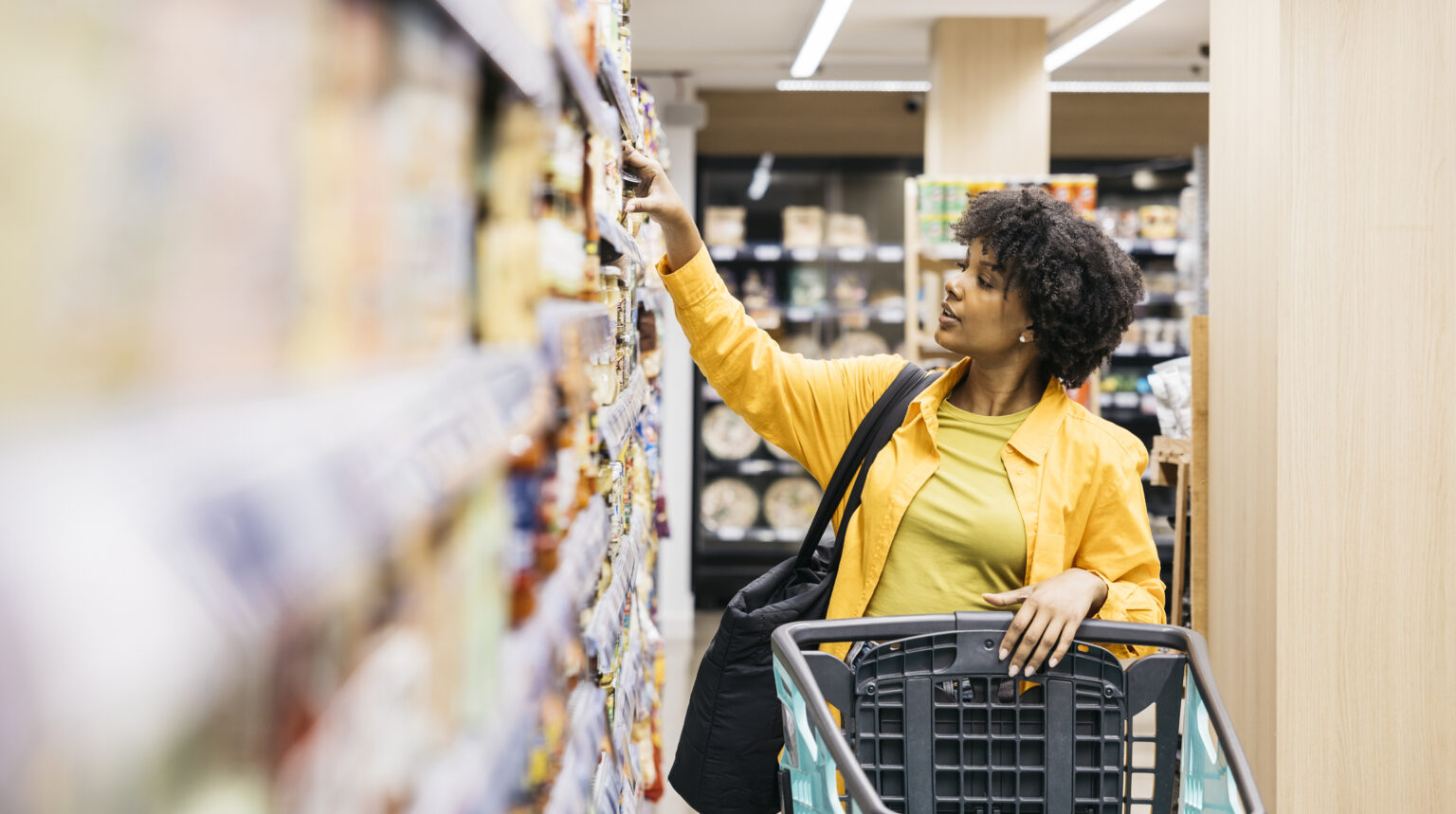
Supply chain integrity and circular regulations
Product packaging must withstand real-world logistics before it ever arrives on a pristine store shelf. Data from Mordor Intelligence shows that strict circular-economy regulations are driving a global shift toward single-material paperboard packaging.
To maintain compliance, retailers mandate that suppliers ensure transit durability against automated sorting and stacking, verify high-density GS1 barcode scan accuracy at inventory checkpoints, and adhere strictly to local labelling laws regarding nutritional tables, batch coding, and ingredient disclosures.
Key takeaway for brand creators
Retail readiness is not an afterthought to be tackled after product development; it is a core business strategy. By designing packaging that respects supply chain mechanics, satisfies store replenishment needs, and communicates instantly with shoppers, emerging brands build long-term, profitable retail partnerships.
Also see: Shopping tricks that help you spend less money
Be the first to know – Join our WhatsApp channel for content worth tapping into. Click here to join!