A new investigative study titled The Nature of Stealthy Remittance in South Africa has exposed a vast, unmonitored financial network operating within the country’s informal economy.
Also see: POLICE ARREST SUSPECT IN MAYVILLE FOLLOWING R128,000 DURBAN DRUG BUST
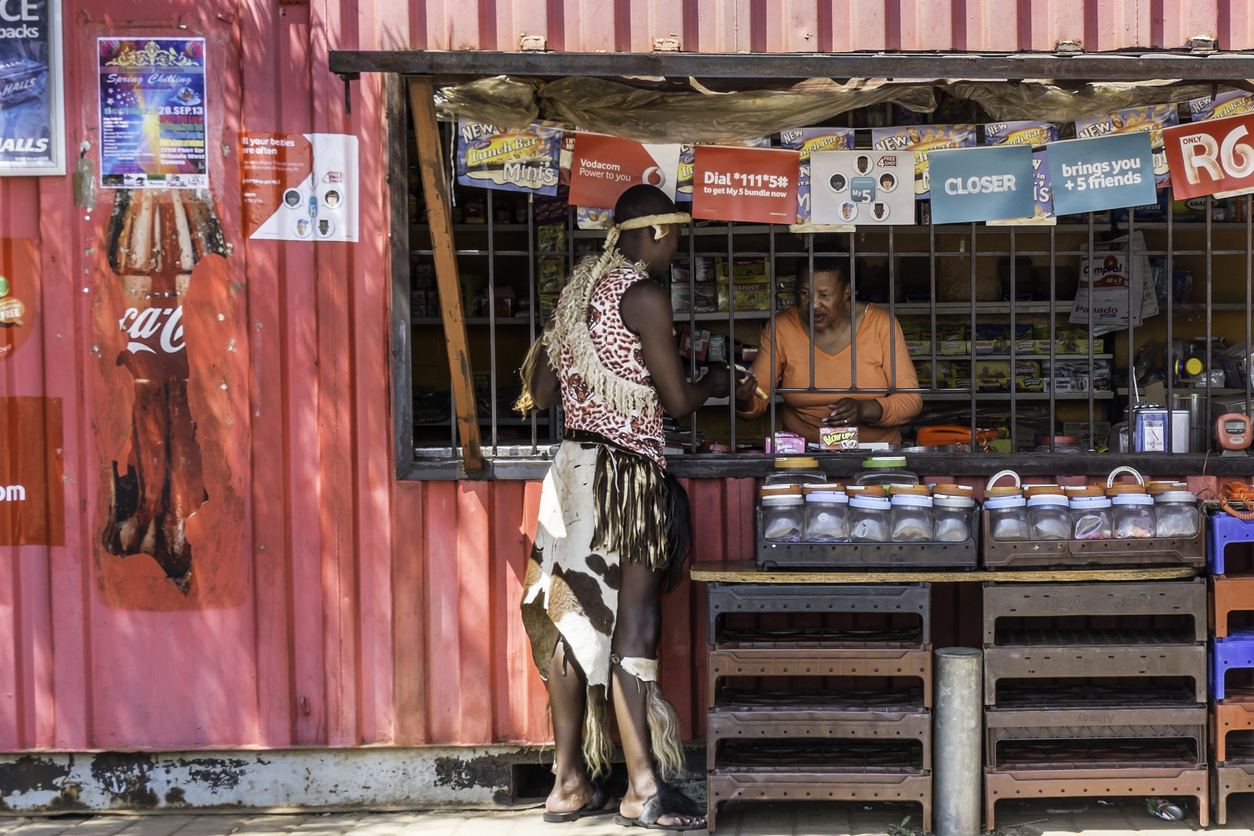
The report reveals that an estimated R6.3 billion generated through foreign-owned spaza shops in the City of Tshwane has moved offshore via unregistered SIM cards, informal remittance channels, and unmonitored cash networks.
Parallel economies and terror financing risks
According to the study, the rapid expansion of digital communication tools and community-based remittance systems has created alternative financial ecosystems that run entirely parallel to South Africa’s formal banking infrastructure.
Operating largely outside the sight of the South African Revenue Service (SARS) and the South African Reserve Bank (SARB), these cash-heavy channels allow billions in revenue to exit the national fiscus without oversight or taxation.
Crucially, experts note that these stealthy remittance networks contribute directly to South Africa’s lingering grey-listing status by global financial watchdog bodies.
This is exactly what South African patriots have been warning about. But instead of taking the concerns of citizens seriously, the likes of Julius Malema and a government that has repeatedly failed to enforce its own laws would rather attack South Africans for demanding https://t.co/MdGbHW0PfW
— JΛКΞ SHΛШ (@Jake_Shaw2) September 27, 2026
Regulatory challenges and industry ownership
Official government data indicates that out of approximately 87 000 registered spaza shops nationwide, roughly 38% are owned by non-South African citizens. However, informal sector surveys in high-density urban areas like Tshwane suggest that foreign nationals operate up to 70% of local tuckshops, dominating township retail supply chains.
Also see: COMMUNITIES CALL FOR ACTION AMID CHILDREN DYING FROM SPAZA FOOD POISONING
Parliamentary committees, including the Standing Committee on Finance, have consistently warned that untaxed capital flight starves public services of vital funding.
While SARS actively targets the estimated R200 billion spaza sector to expand the tax base, regulators face systemic hurdles. With nearly 70% of operators untagged as formal taxpayers and relying strictly on cash transactions, investigators are left with virtually no digital paper trails to audit.
Balancing enforcement against economic reality
The report’s release has intensified heated debate online and among civic organisations.
While some voices advocate for aggressive regulatory crackdowns, deportations, and strict municipal licensing enforcement, policy analysts emphasise the delicate balance required.
It is impossible that the South African Government @GovernmentZA has never been aware of this. Yet they spent R600million on policing the March and March event on 30th June only.
For one day?
Our communities have been screaming that Spaza Shops should be returned to South… https://t.co/va2TvwA5h7
— Tebza (@tebza_nduza) September 27, 2026
Spaza shops serve as the primary source of affordable food and daily essentials for millions of low-income township residents.
Addressing the systemic gaps will require coordinated action between SARS, law enforcement, and commercial banking institutions to integrate informal traders into visible, secure digital payment frameworks, plugging national security loopholes without crippling township food security.
Also see: MBUYISENI NDLOZI WEIGHS IN ON ANTI-ILLEGAL IMMIGRANTS PROTESTS AND SPAZA SHOP DEBATE
Be the first to know – Join our WhatsApp channel for content worth tapping into. Click here to join!