
A fresh-smelling home does not always require expensive air fresheners or strongly scented products. From improving ventilation to using everyday ingredients such as citrus and baking soda, there are simple ways to keep your space smelling clean and inviting.
Also see: At-home waxing mistakes to avoid
It is also worth remembering that a pleasant smell should not simply mask an unpleasant odour. The US Environmental Protection Agency (EPA) recommends controlling pollution at its source and improving ventilation as key ways to maintain better indoor air quality.
Here are some simple ways to make your home smell naturally fresh.
1. Let fresh air in
One of the easiest ways to freshen your home is to open windows and doors when outdoor conditions allow.
Good ventilation helps remove indoor pollutants and stale air while bringing in fresh outdoor air. You can also use kitchen and bathroom extractor fans to help remove odours and moisture.
2. Keep your kitchen clean
Cooking smells can linger long after a meal has been prepared. Clean worktops, wash dishes promptly and empty the rubbish regularly to prevent unwanted odours from building up.
Don’t forget areas that are easily overlooked, such as the inside of the microwave, oven, fridge and rubbish bin.
3. Use baking soda to absorb odours
Baking soda is a useful household ingredient for tackling unwanted smells. You can place a small open container of baking soda in areas such as the fridge or near a rubbish bin to help with odours.
The American Lung Association also lists baking soda as a useful option for household cleaning.
4. Try a citrus simmer pot
For a naturally fresh scent, add slices of lemon or orange to a pot of water and allow it to gently simmer for a short period.
You can also add ingredients such as cinnamon sticks, cloves or fresh herbs for a warmer aroma. Simmer pots are a simple way to introduce a natural scent into your home without relying on aerosol sprays.
Safety tip: Never leave a pot simmering unattended and keep the heat low.
Also see: 10 Unnecessary things you should stop keeping in your home
5. Don’t forget your fabrics
Curtains, carpets, rugs, cushions and bedding can hold onto odours.
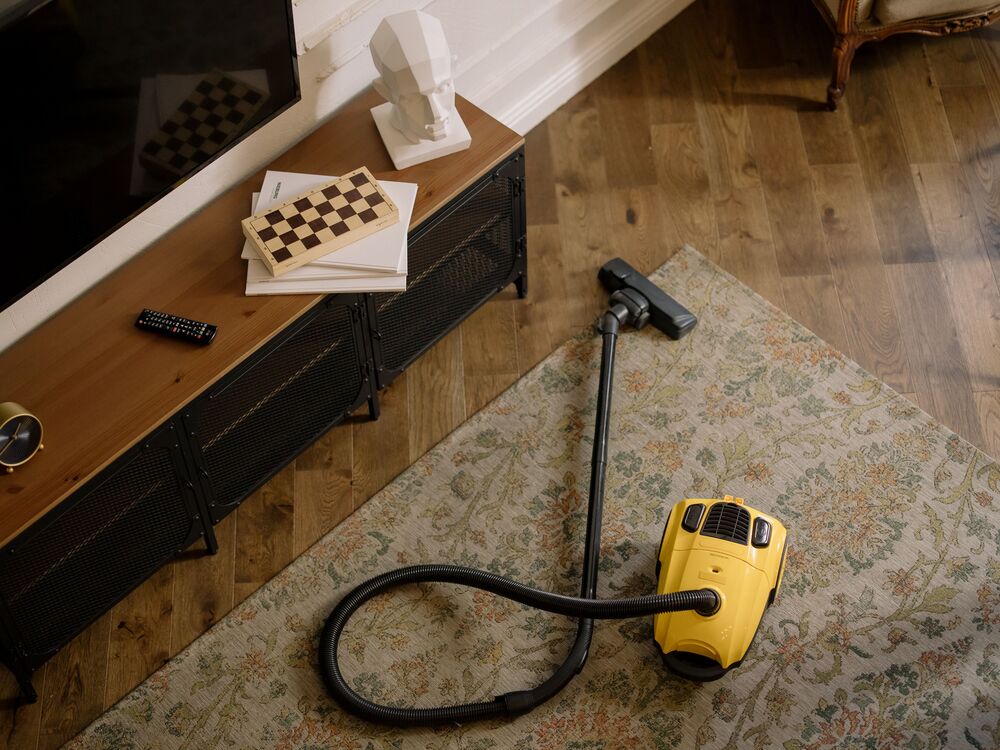
Wash removable fabrics regularly and vacuum carpets and upholstered furniture. The EPA recommends routinely vacuuming carpets and fabric-covered furniture, dusting surfaces and washing household linens as part of regular cleaning.
6. Keep moisture under control
A damp home can develop musty smells and may encourage mould growth.
Fix leaks promptly, dry wet areas and ventilate bathrooms after showers. The EPA recommends controlling moisture and keeping indoor humidity around 30% to 50% where possible.
7. Freshen your rubbish bin
Even when you use bin liners, food scraps and other waste can leave unpleasant smells behind.
Empty bins regularly and clean the inside with warm water and soap. Allow it to dry completely before putting in a fresh liner.
8. Add fresh herbs or flowers
Fresh herbs such as mint, rosemary or basil can add a subtle natural scent to your kitchen. Fresh flowers can also make a room feel and smell more inviting.
Place them somewhere with good airflow, but remember that plants and flowers should not be used to cover up an underlying damp or mould problem.
9. Clean the source instead of masking the smell
If a room consistently smells unpleasant, try to find the source rather than simply adding another fragrance.
The American Lung Association suggests that one checks for dampness, mould, food waste, dirty fabrics, blocked drains or poorly ventilated areas. Source control is considered one of the most effective ways to improve indoor air quality.
10. Be careful with scented products
‘Natural’ does not automatically mean that a fragrance is harmless. The American Lung Association notes that both natural and synthetic fragrances can contribute to indoor air pollution, while some people may experience irritation or respiratory symptoms from fragranced products.
If you use essential oils or other scented products, use them sparingly and follow the product instructions. Consider fragrance-free options if someone in your household is sensitive to scents.
A fresher home starts with good habits
Making your home smell good naturally is less about filling every room with fragrance and more about keeping odour sources under control. Regular cleaning, fresh air, clean fabrics and moisture control can go a long way towards creating a home that smells fresh and feels comfortable.
Important: Never mix household cleaning products unless the label specifically says they are compatible. In particular, never mix bleach with other cleaners, as this can create dangerous vapours.
Also see: Cooking at home is back… Here’s why
Be the first to know – Join our WhatsApp channel for content worth tapping into. Click here to join!