

Across South Africa’s rapidly expanding townships and urban centres, vacant land, residential backyards, and school grounds are being transformed into lush, productive micro-farms.
Also see: TIPS FOR FOOD GARDENING ON A BUDGET
What began as a localised survival mechanism against skyrocketing food inflation is rapidly evolving into a structural movement for urban resilience. From the Cape Flats to inner-city Johannesburg, community food gardens are proving to be more than just sources of fresh vegetables.
Direct action against urban hunger
With headline food inflation hitting vulnerable households hardest, urban food access is a critical national challenge. Research from the DSI-NRF Centre of Excellence in Food Security (CoE-FS) highlights that urban households in low-income areas spend a disproportionate percentage of their income on staple carbohydrates, leading to high rates of hidden hunger and micronutrient deficiencies.
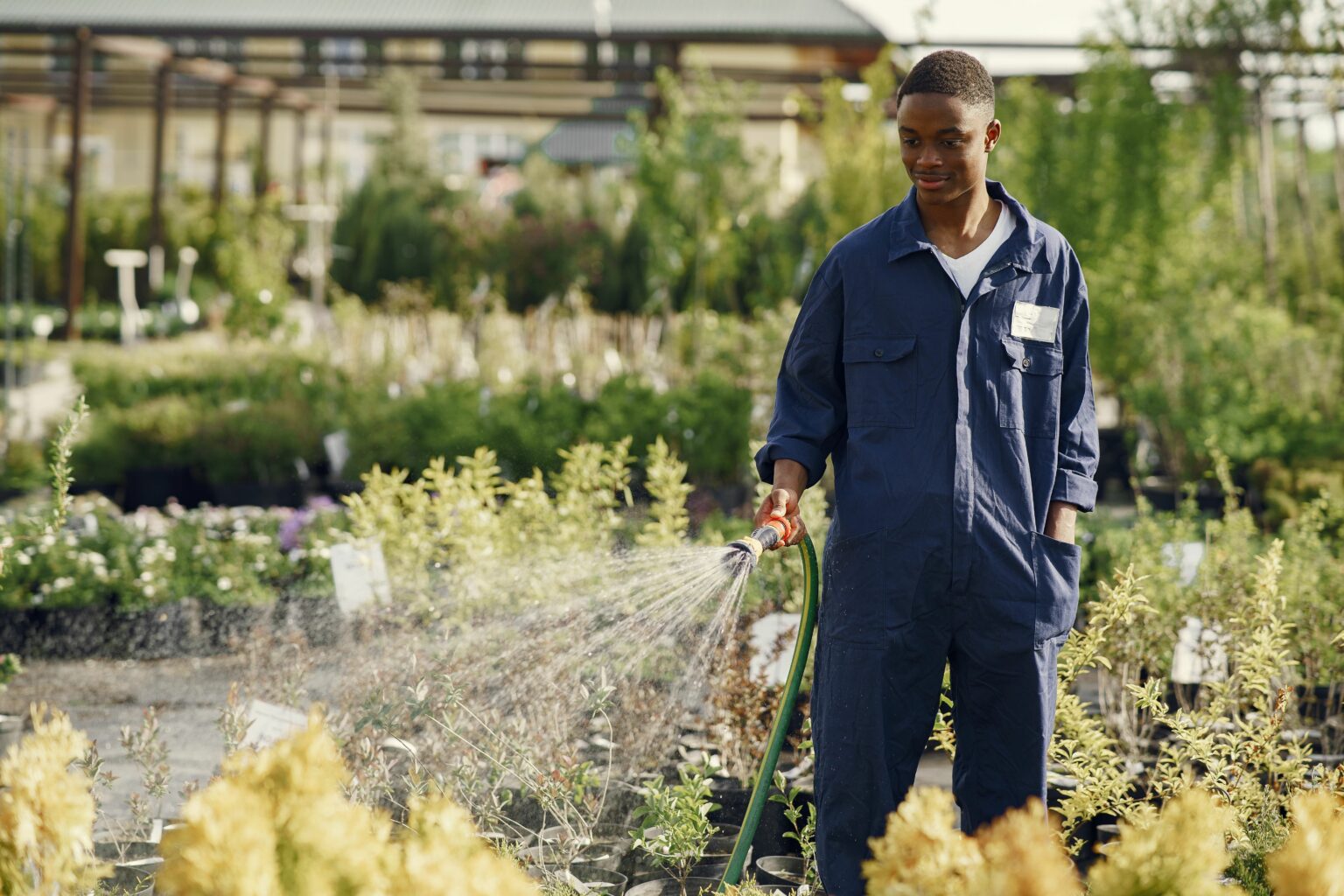
Urban community gardens directly address this deficit by providing immediate access to nutrient-dense, organically grown produce like spinach, kale, root vegetables, and indigenous herbs.
Initiatives supported by the SA Urban Food & Farming Trust (SAUFFT), including grassroots networks like the Oranjezicht City Farm and township Agrihubs, demonstrate that localised urban agriculture expands household dietary diversity while providing a vital economic buffer during periods of financial stress.
Horticultural therapy and stress mitigation
Beyond physical nutrition, time spent in green growing spaces provides measurable psychological benefits. Occupational therapists and mental health professionals increasingly advocate for horticultural therapy, the intentional use of plant-based activities to improve cognitive, physical, and emotional health.
Also see: DIG, PLANT, AND PLAY: WIN WITH GARDEN MASTER AND THE MOMMY & ME GARDENING GIVEAWAY
Studies published by the University of Cape Town (UCT) and environmental health researchers demonstrate that hands-on soil interaction, physical movement in open sunlight, and nurturing living plants significantly lower cortisol (stress hormone) levels.
In communities heavily impacted by trauma, unemployment, and chronic anxiety, tending a food garden serves as an accessible, non-stigmatised form of daily mental decompression and therapeutic grounding.

Sustaining the urban farming movement
For urban agriculture to reach its full potential across South African cities, structural support must match community enthusiasm.
Experts from the Centre of Excellence in Food Security emphasise that municipal policies must prioritise secure land tenure for community gardens, establish reliable water access, and integrate urban farming directly into formal spatial development frameworks.
By treating urban food gardens as essential public infrastructure rather than temporary hobbies, South African cities can nourish both the bodies and minds of their residents, one harvest at a time.
Also see: WHY ECO-CONSCIOUS GARDENING MATTERS: PROTECTING NATURE WHILE YOU GROW
Be the first to know – Join our WhatsApp channel for content worth tapping into. Click here to join!