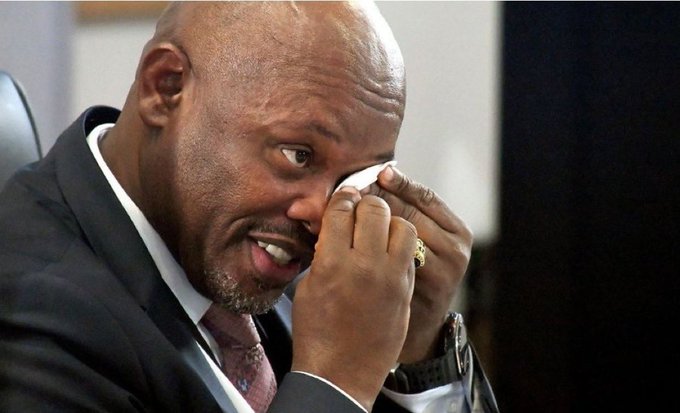

Burnout can leave you feeling physically and emotionally exhausted, particularly when ongoing work-related stress is not properly managed.
Also see: 5 Signs you are suffering from wellness burnout
The World Health Organisation (WHO) describes burnout as an occupational phenomenon resulting from chronic workplace stress that has not been successfully managed. It is characterised by exhaustion, increased mental distance or negativity towards one’s job, and reduced professional effectiveness.
While self-care can support your well-being, it is also important to address the factors contributing to burnout. The CDC notes that workplace policies and practices can play an important role in reducing and preventing job-related stress.
Here are some simple self-care habits that may help when you’re feeling overwhelmed.
1. Prioritise proper rest
Rest is an important part of recovery. Try creating a relaxing bedtime routine and maintaining a consistent sleep schedule where possible.
The WHO recommends getting plenty of sleep as part of managing stress and maintaining well-being.
2. Take regular breaks
When you have a long to-do list, it can feel as though you need to keep working until everything is finished.
Instead, build short breaks into your day. Stretch, step outside, have some water or simply take a few minutes away from your screen.
The CDC recommends taking breaks during the workday to rest, stretch or connect with supportive people.
3. Learn to set boundaries
Constantly taking on additional responsibilities can make existing stress more difficult to manage.
Where possible, establish boundaries around your working hours and availability. Talk to your manager or colleagues if your workload has become unmanageable.
The WHO identifies factors such as excessive workload, long working hours and limited control as contributors to occupational stress and burnout.
4. Get moving
Physical activity doesn’t have to mean an intense gym session.
A walk, gentle stretching, yoga or another activity you enjoy can help you step away from work and give yourself time to reset.
The WHO recommends opportunities for leisure-based physical activity, including walking and yoga, as one approach that may support workers’ mental health and ability to work.
Also see: The death of the side hustle: Why people are prioritising rest over burnout
5. Spend some time outdoors
Getting outside can be a simple way to create distance from work and everyday responsibilities.
The CDC recommends spending time outdoors, either being physically active or simply relaxing, as one healthy way of coping with work-related stress.
6. Make time for things you enjoy
Self-care doesn’t have to be complicated.
Read a book, listen to music, watch your favourite show, cook, spend time with loved ones or enjoy a hobby. Making room for activities you genuinely enjoy can give you an opportunity to mentally disconnect from work.
The CDC specifically recommends doing things you enjoy outside of work as part of healthy coping strategies.
7. Practise simple breathing exercises
When you feel overwhelmed, taking a few minutes to slow down and focus on your breathing can be a useful way to pause.
The NHS recommends breathing exercises, short breaks and simple stretches as practical ways of taking care of yourself when experiencing work-related stress.
8. Stay connected
Burnout can make you want to withdraw from other people, but having supportive people around you can be valuable.
Talk to a trusted friend, family member or colleague about how you’re feeling. At work, consider discussing sources of stress with your manager or team where appropriate.
The CDC encourages workers to communicate about job stress and connect with supportive colleagues, friends and family.
9. Don’t try to change everything at once
When you’re already exhausted, a long list of self-care goals can become another source of pressure.
Start with one manageable change. The NHS recommends making small changes rather than trying to do everything at once.
10. Address the source of the burnout
Self-care can help, but it should not place the entire responsibility for burnout on the individual.
The WHO recommends organisational measures such as reducing excessive workloads, improving communication, encouraging regular breaks and providing appropriate support.
If work demands are contributing to your burnout, consider speaking with your manager, HR department or another appropriate person about what could realistically be changed.
Know when to seek professional help
Burnout can overlap with other mental-health concerns, and persistent symptoms should not simply be dismissed as being ‘tired’ or ‘stressed.’ The CDC notes that burnout can be difficult to distinguish from conditions such as depression and anxiety.
If exhaustion, low mood, anxiety, sleep problems or difficulty functioning continue or begin affecting your daily life, consider speaking to a qualified healthcare or mental health professional.
Remember: taking care of yourself is important, but recovering from burnout may also require changes to the circumstances that caused the stress in the first place.
Also see: How to handle job burnout when work is taking too much out of you
Be the first to know – Join our WhatsApp channel for content worth tapping into. Click here to join!