
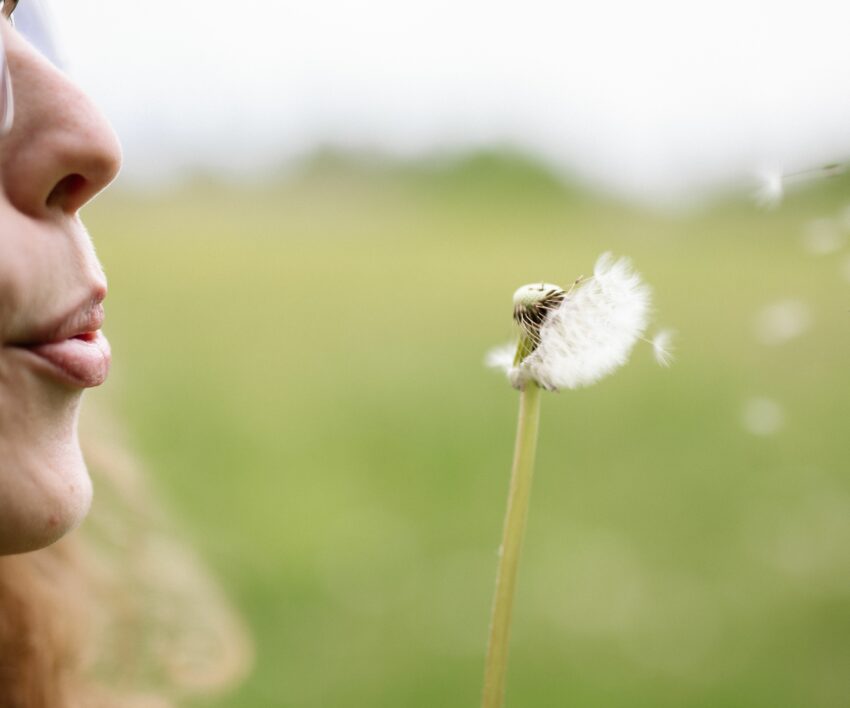
For many people, changing seasons can bring more than warmer days and blooming gardens.
Also see: Why allergies are becoming more common than ever
Increased pollen in the air can trigger seasonal allergic rhinitis, commonly known as hay fever, causing sneezing, a runny or blocked nose, itchy eyes and coughing.
According to the NHS, hay fever is an allergic reaction to pollen, which can come into contact with the nose, mouth, eyes and throat.
While it may not always be possible to avoid pollen completely, a few practical habits can help reduce exposure and make symptoms easier to manage.
Limit exposure to pollen
Try to spend less time outdoors when pollen levels are high, particularly on dry, windy days when pollen can circulate more easily.
Keeping windows and doors closed during high-pollen periods can also help prevent allergens from entering your home. Mayo Clinic recommends staying indoors on dry, windy days and checking local pollen forecasts when possible.
If you enjoy gardening, consider wearing sunglasses and a suitable face mask. It is also advisable to avoid mowing the lawn, pulling weeds or doing other activities that can stir up pollen when your symptoms are active.
Shower after spending time outdoors
Pollen can settle on your hair, skin and clothing. Showering and changing clothes after spending time outside can help prevent pollen from being carried around your home. It is also advisable to avoid drying clothes outdoors during periods of high pollen because pollen can collect on fabrics.
Also see: Virus threat: Viruses to look out for this winter
Keep your home clean
Regular cleaning can help reduce allergens indoors. Dust surfaces with a damp cloth and consider using a vacuum cleaner with a HEPA filter. Keeping bedrooms pet-free can also reduce exposure to allergens carried indoors.
Use saline nasal rinses
A saline nasal spray or rinse can help wash allergens and irritants from the nose and may ease congestion. If using a nasal-rinse device, it is important to follow the instructions carefully and use appropriate water to avoid infection.
When dealing with allergies, it is important to know your triggers. Keeping track of when symptoms appear can help identify potential triggers. With spring in full swing, pollen from trees, grasses and weeds are common seasonal allergens.
If symptoms regularly interfere with your sleep or daily activities, or pharmacy treatments aren’t helping, consider seeing a doctor.
Also see: Here’s how you can protect yourself from winter allergies
Be the first to know – Join our WhatsApp channel for content worth tapping into. Click here to join!