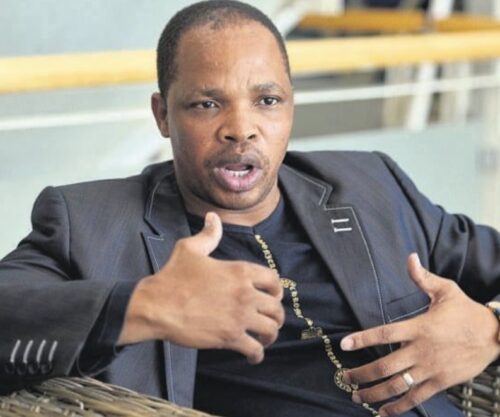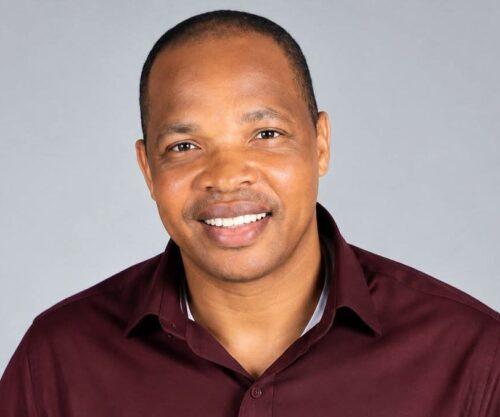
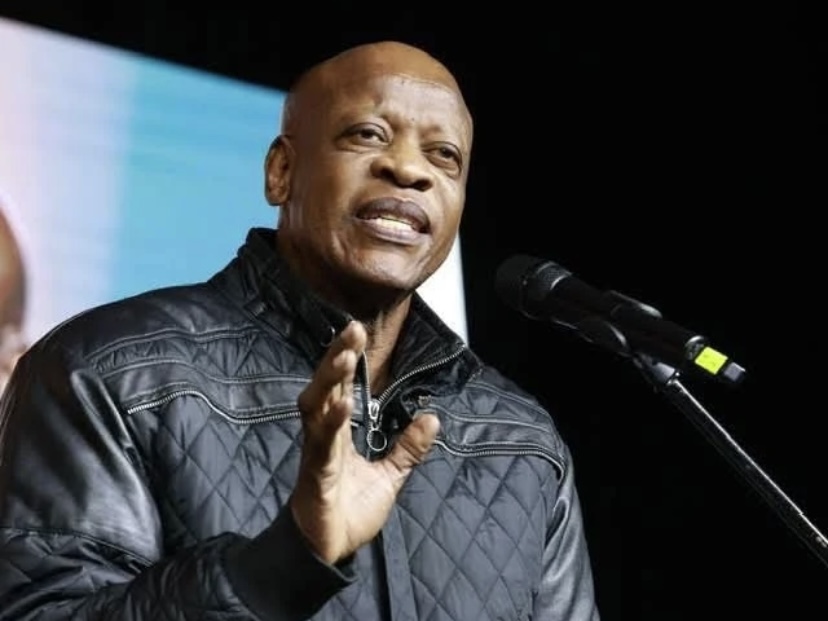
Mzwakhe Mbuli has spoken out against the continued violence facing women in South Africa, describing the country’s gender-based violence and femicide (GBVF) crisis as a painful reflection of a society struggling to protect its most vulnerable.
Also see: Gayton McKenzie draws criticism for backing Chris Brown concert amid GBV concerns
Mzwakhe Mbuli condemns violence against women
As reported by Daily Sun, the veteran poet and struggle-era cultural figure expressed his concern following the discovery of the bodies of women in and around Ekurhuleni, east of Johannesburg.
The cases have intensified public concern about femicide and women’s safety, while police continue investigating the deaths. Recent reports have noted that authorities have not established whether the killings are connected.
Taking to his social media page, Mbuli argued that the crisis extends beyond individual acts of violence. He also raised concerns about how women are represented in popular culture and the media, saying negative portrayals can contribute to the broader dehumanisation of women.
View this post on Instagram
A national crisis requiring action
South Africa has had a National Strategic Plan on GBVF since 2020. The plan takes a multi-sectoral approach, covering prevention, justice and protection, survivor support, economic empowerment, accountability and research.
Also see: How Siv Ngesi turned his Cape Town Met outfit into a GBV tribute
Government has also introduced legislation and established the National Council on GBVF to strengthen coordination and oversight.
However, official research highlights the scale of the challenge. A 2022 national GBV survey found that more than a third of South African women had experienced physical violence, while almost one in 10 had experienced sexual violence.
What can be done?
GBV prevention requires action from individuals, communities and institutions. Most importantly, the government needs to do more to ensure the safety of ordinary citizens, especially women and children.
People experiencing abuse should also be adequately assisted when they seek help through police services, healthcare providers, social workers and specialised GBV support organisations.
Mbuli’s intervention adds another public voice to a national conversation that continues to demand accountability, prevention and meaningful protection for women.
Also see: Kamo Bombe pens open letter to Jacinta Ngobese-Zuma amid GBV crisis
Be the first to know – Join our WhatsApp channel for content worth tapping into. Click here to join!