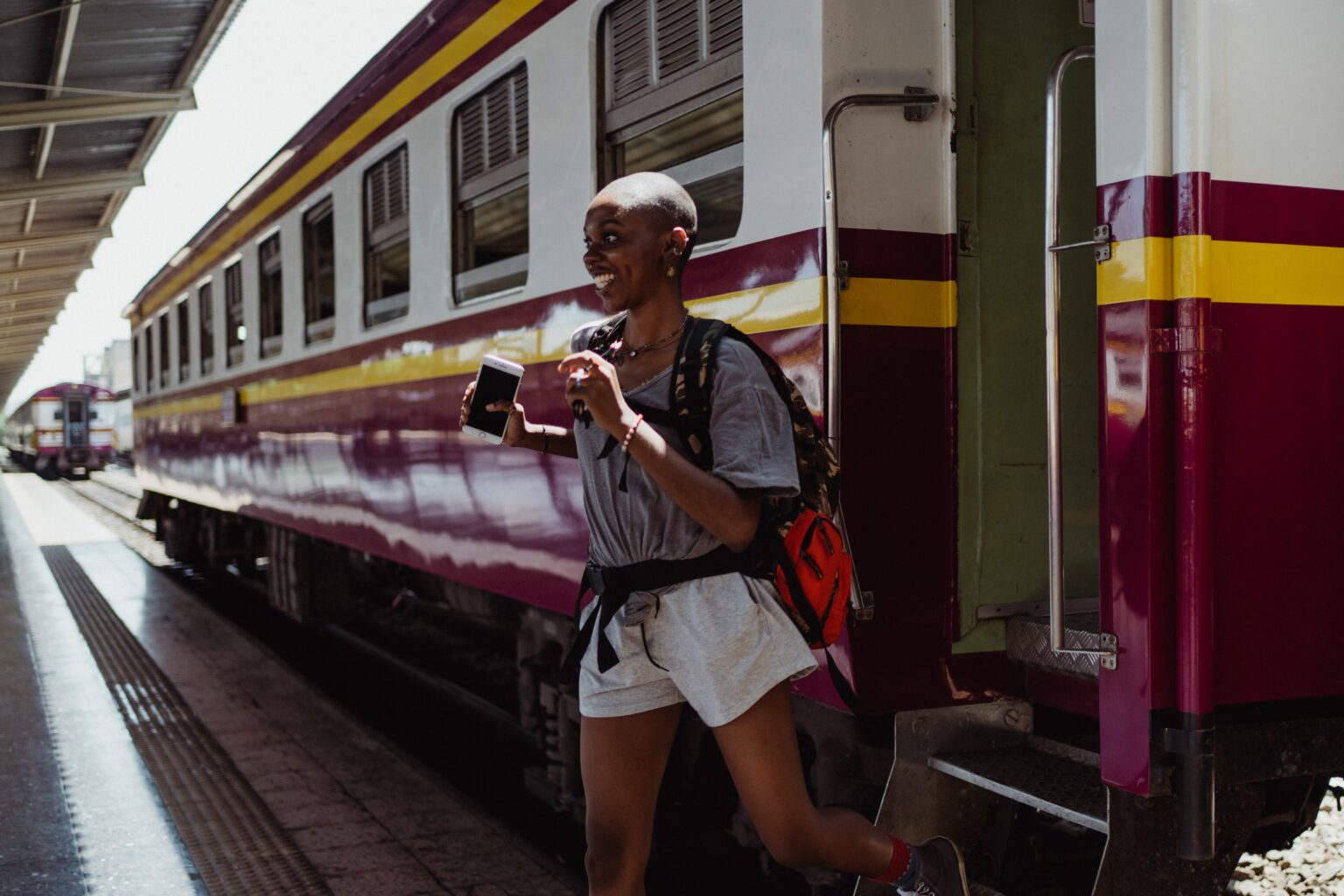
Going out, travelling, commuting, meeting friends or simply enjoying time alone should be part of everyday life. While no one can eliminate every risk, a few practical habits can help women stay more aware, prepared and confident when they are away from home.
Also see: Safety precautions when travelling with e-hailing
Personal safety is not about living in fear or placing responsibility for crime on women. Responsibility for harmful behaviour always belongs to the person who chooses to cause harm. The aim of safety planning is simply to give yourself more options if an uncomfortable or dangerous situation arises.
Be aware of your surroundings
Situational awareness is one of the simplest safety habits. Pay attention to what is happening around you, particularly when walking alone or in an unfamiliar area.
According to Travel Stats, you need to avoid becoming completely absorbed in your phone while walking. If you use headphones, keep the volume low enough to hear what is happening around you.
Official travel guidance also recommends staying alert and thinking ahead about how you would respond if you encountered an unsafe situation.
Always plan your journey before you leave
Before heading somewhere unfamiliar, consider your route, transportation, and return journey. Know where you are going and, where practical, identify public places where you could seek help. For longer journeys, you need to inform someone you trust where you are going and when you expect to return.
Be careful with personal information
Avoid unnecessarily sharing your home address, accommodation details, daily routine or real-time location with strangers or publicly online. Review privacy settings on social media and consider the information that photographs and location tags may reveal. Think carefully about how much personal information you share with strangers or publicly online.
Also see: How to ensure safety when travelling abroad
Look after your belongings
Always keep your phone, wallet, identification, and other essentials secure. Avoid unnecessarily displaying expensive jewellery, large amounts of cash, or other valuables. When travelling in an unfamiliar place or crowded area, where theft and pickpocketing can be easier, you need to be extra careful.
If you are carrying important documents while travelling, consider keeping copies separately from the originals where appropriate.
Know how to get help
Before travelling, especially to another country, save the local emergency numbers and identify important nearby services such as police stations, hospitals or other staffed facilities. For local travel, you need to dial 112 from your mobile phone for emergencies,
If you are travelling internationally, check official government travel guidance for your destination before leaving.
Be cautious with drinks
Travel Stats explains that when socialising, keep an eye on your drink and be cautious about accepting drinks from people you do not know or trust.
If you suddenly feel unusually confused, dizzy, or unwell after having a drink, seek help immediately. Official guidance warns that drink-spiking can be associated with robbery and sexual assault. It is important to be responsible when drinking, especially when travelling as a woman.
Personal safety does not mean restricting your freedom or avoiding everyday activities. It means being prepared, remaining aware and knowing that you have choices.
Plan, keep communication available, choose transport carefully, and protect your personal information.
Also see: Solo travel on the bucket list? Here’s a guide on how
Featured image: Pexels/Ketut Subiyanto
Be the first to know – Join our WhatsApp channel for content worth tapping into. Click here to join!