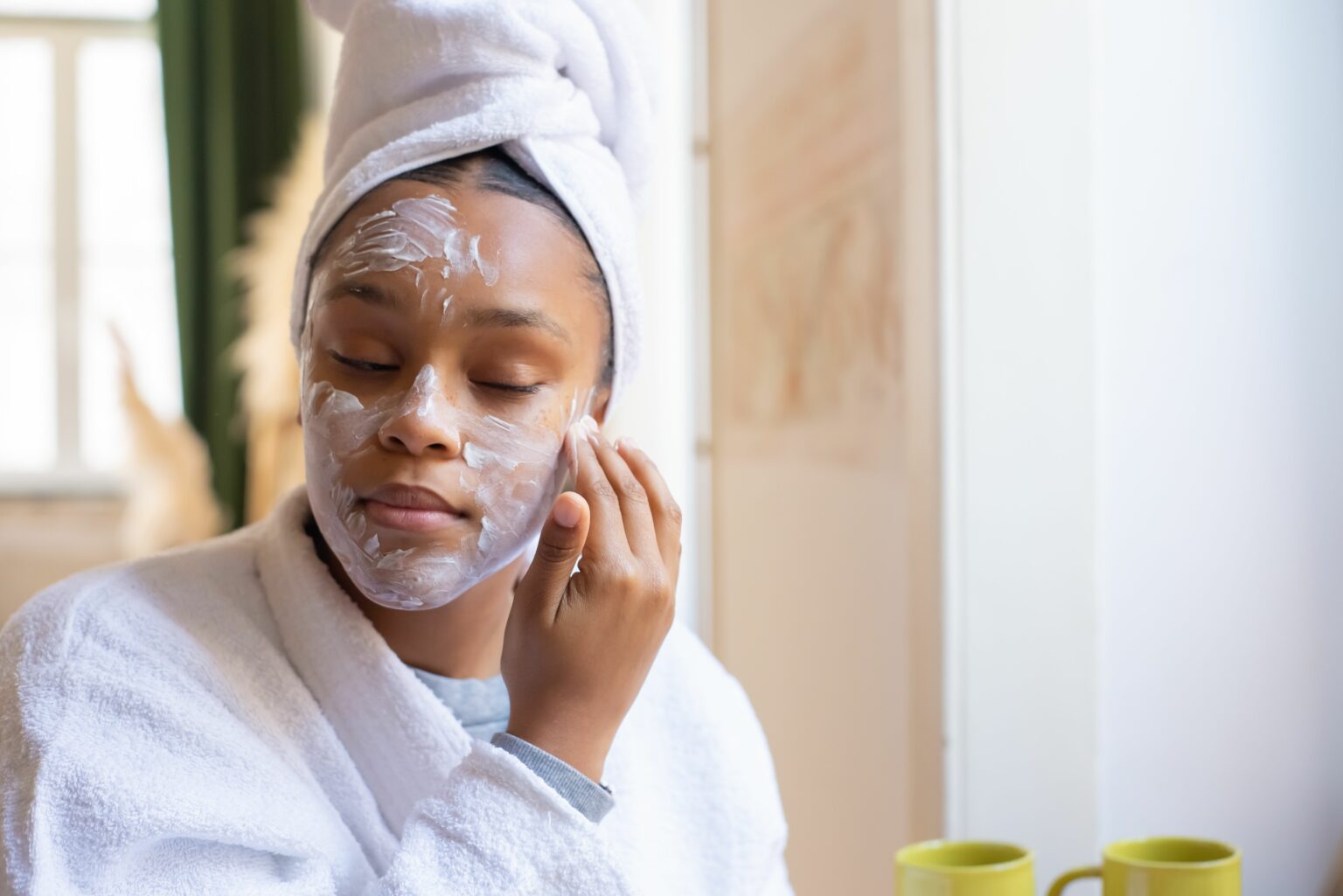
Teenage skin can be confusing. One day your child may complain about an oily forehead and new pimples; the next, their cheeks may feel dry or irritated.
Also see: Skincare Ingredients You Should Never Mix, According to Dermatologists
Add to that South Africa’s strong sunlight, changing weather and the influence of social media skincare trends, and it can be difficult for parents and teens to know what products they actually need.
The good news is that teenage skincare does not need to be complicated. Understanding your teen’s skin type and building a simple, consistent routine can help support healthy skin without overwhelming it.
Puberty brings hormonal changes that can stimulate oil glands to produce oil. Increased oil production can contribute to blocked pores, blackheads, whiteheads, and pimples.
Understanding your teen’s skin type
According to the South African Department of Health, skin type is generally described as normal, oily, dry, combination or sensitive. A teenager can also have acne-prone skin, which is better thought of as a skin concern rather than a separate skin type.
It is important to know your teen’s skin type:
Oily skin
This tends to become shiny during the day, around or across the forehead, nose and chin. Teenagers with oily skin may also be more prone to blackheads, whiteheads and pimples.
What can help:
According to Cape Town Dermatologist for Acne Treatment, Dr Dilshaad Asmal, these are some of the ways that could assist in bettering your teen’s oily skin:
- Using a gentle cleanser.
- Washing after sweating
- Choosing lightweight moisturisers and sunscreen.
- Avoiding harsh products designed to strip all oil from the skin.
The goal here isn’t to eliminate all oil; it is to maintain the skin’s protective barrier.
Dry skin
Dry skin may feel tight, rough, flaky or uncomfortable. It can become particularly noticeable after using harsh cleansers or acne treatments.
What can help:
- Use a gentle, hydrating cleanser.
- Avoid very hot water.
- Apply moisturiser regularly.
- Choose fragrance-free products if the skin is easily irritated.
A teen with dry skin can still develop acne, so dryness doesn’t necessarily mean acne treatments should be avoided—it may simply mean they need to be introduced more carefully.
Combination skin
Combination skin has both oily and dry areas. A typical example is an oily forehead and nose with relatively dry cheeks.
What can help:
- Use one gentle cleanser over the face.
- Choose a lightweight moisturiser.
- Avoid using harsh acne products over areas that don’t need them.
- Treat individual concerns rather than trying to ‘dry out’ the entire face.
The biggest mistake parents and teens can make is assuming that more products mean better skin. Dermatology guidelines emphasise a simple, age-appropriate routine, using cleansers, moisturisers, and protecting the skin from the sun.
Also see: Skincare Mistakes That Cause Hyperpigmentation: Why Your Dark Marks Aren’t Fading
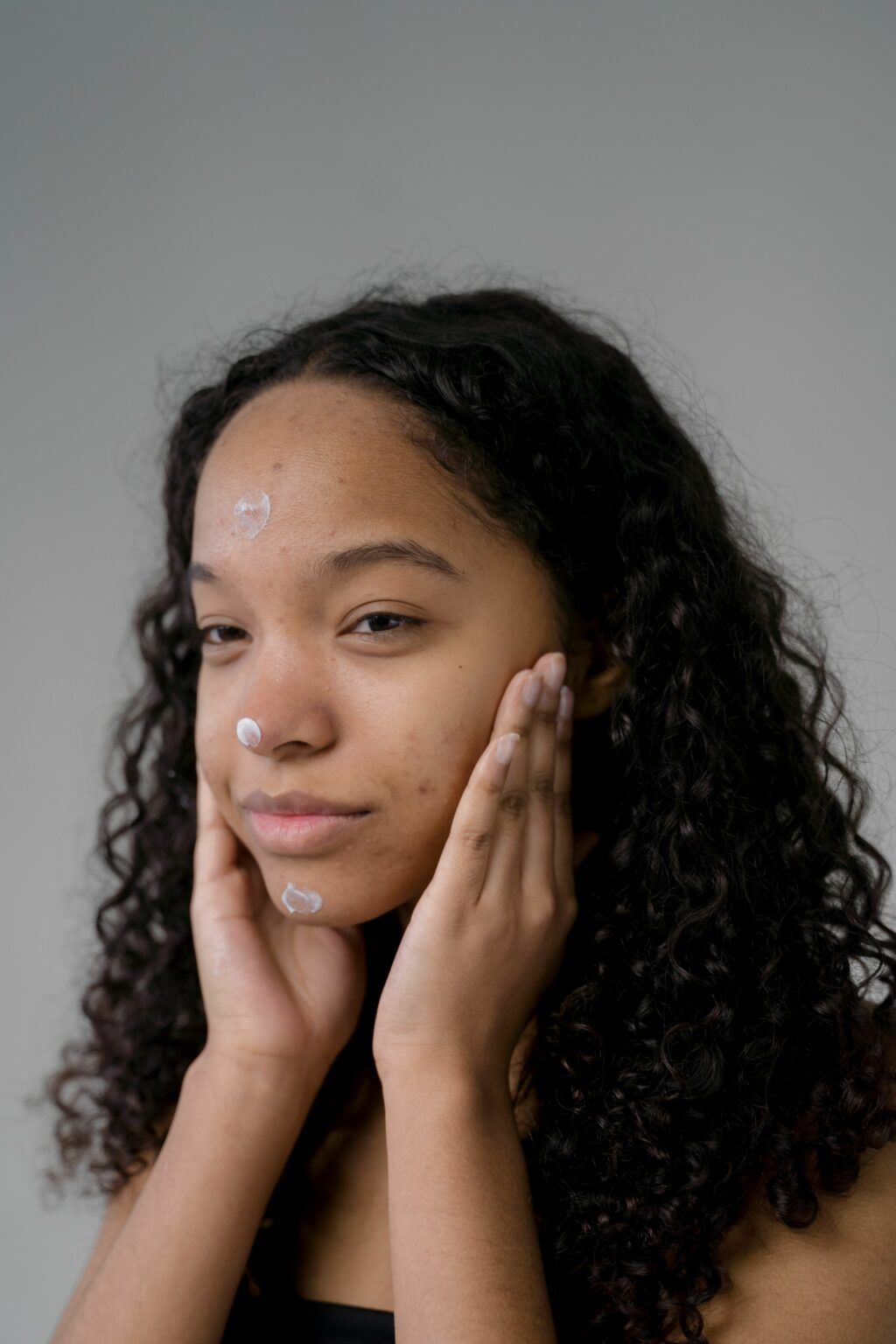
Always apply sunscreen
Sun protection deserves particular attention in a South African teen’s skincare routine. Whether your teenager is walking to school, playing sport, spending time at the beach, hiking, or simply outdoors with friends, UV exposure occurs throughout the year.
Dr Asmal recommends sunscreen that offers the following:
- Broad-spectrum UVA and UVB protection
- SPF 30 or higher
- Water resistance, particularly for swimming or heavy sweating
Sunscreen should be applied before going outdoors and reapplied approximately every two hours when spending extended time outside, as well as after swimming or sweating.
Teen skin changes, particularly during puberty, and there is no single routine that works for everyone. Whether your teenager has oily, dry, combination, sensitive or acne-prone skin, start with the basics: gentle cleansing, appropriate moisturising and daily sun protection. Sunscreen deserves attention due to the high levels of UV exposure and the time many young people spend outdoors.
Also see: Winter glow-up guide: Skincare habits that actually work in cold weather
Be the first to know – Join our WhatsApp channel for content worth tapping into. Click here to join!