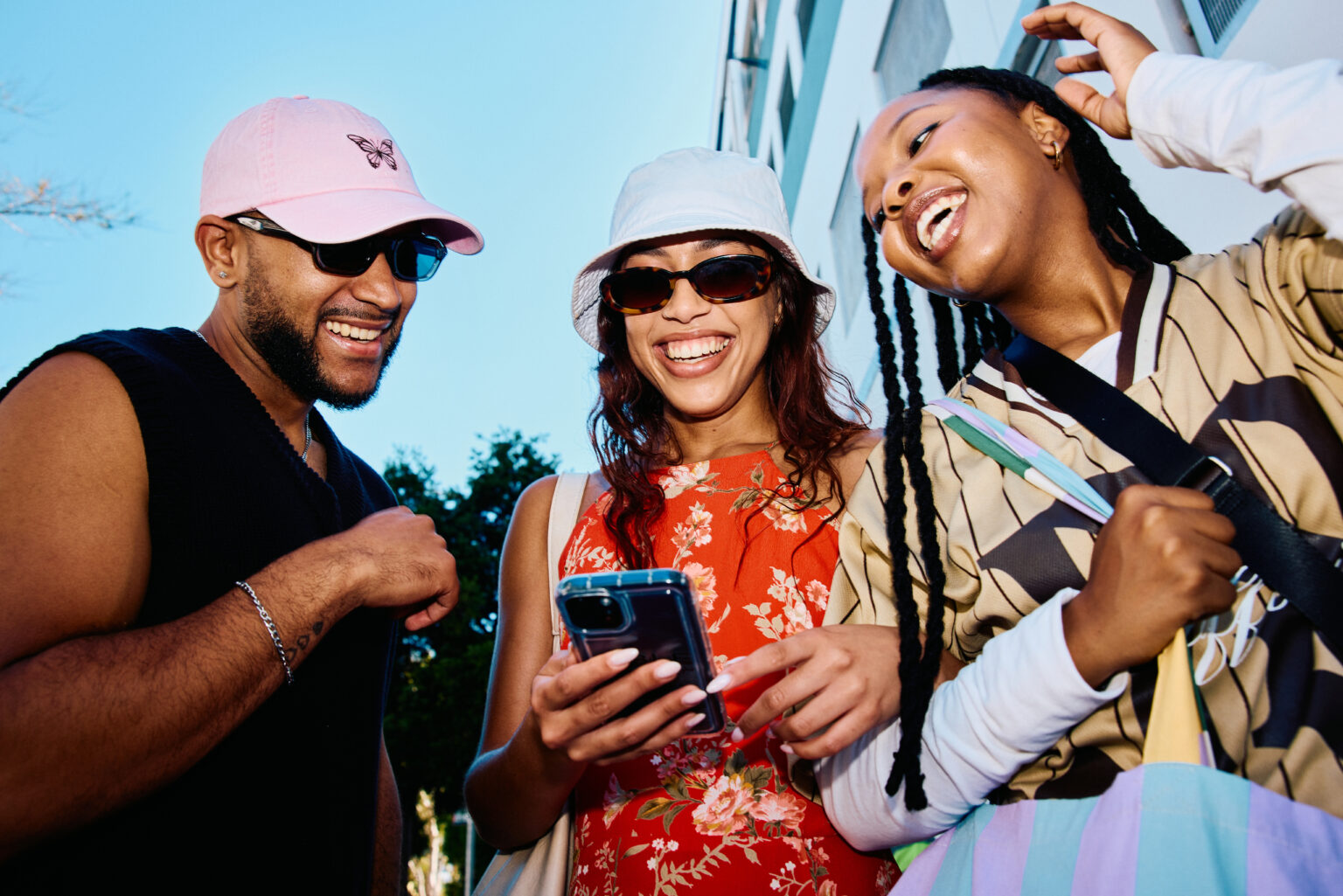
In an era dominated by relentless push notifications, endless social media feeds, and the pressure of maintaining a curated online presence, a quiet shift is taking place across Mzansi.
South Africans are increasingly reporting high levels of digital fatigue, a psychological and physical exhaustion brought on by constant screen time and hyper-connectivity.
Also see: 25 Budget-Friendly Family Outings in South Africa That Won’t Break the Bank
As a result, more people are actively seeking offline refuge, turning away from virtual interactions to rediscover the grounding power of tangible, physical community spaces.
The rising price of screen-first living
While smartphones and social platforms promised to bridge geographic divides, data from global mental health studies and local wellness researchers suggests that hyper-connectivity often leads to a deeper sense of isolation. Constant screen usage triggers cognitive overload, leaving individuals feeling drained, anxious, and disconnected from their immediate surroundings.

According to digital wellness experts and local sociologists, South Africans are increasingly suffering from “screen saturation.” The line between work, social life, and entertainment has blurred, forcing many to evaluate the mental cost of staying constantly plugged in. Rather than serving as a genuine substitute for human connection, online platforms are increasingly viewed as high-maintenance spaces that demand constant energy without providing true emotional fulfillment.
This growing screen weariness has sparked a renewed appreciation for what urban sociologists call ‘third places’—spaces separate from both home (the first place) and work (the second place) where people can gather, converse, and build community naturally.
Also see: The kids want community: Local social clubs for SA youth
The resurgence of the ‘third place’

Across South African cities like Cape Town, Johannesburg, and Durban, physical community hubs are experiencing a massive renaissance:
Board game cafés and social clubs
Venues offering tactile, screen-free entertainment are seeing record attendance as youth and young professionals swap phone screens for tabletop games and face-to-face interaction.
Run clubs and fitness collectives
Social fitness groups—from weekend run clubs to community yoga sessions—are booming as South Africans look to combine physical wellness with genuine, pressure-free social networking.
Co-working and creative spaces
Even in work environments, professionals are opting for communal work hubs that offer physical co-presence over isolated remote work setups.
Reclaiming human connection in Mzansi
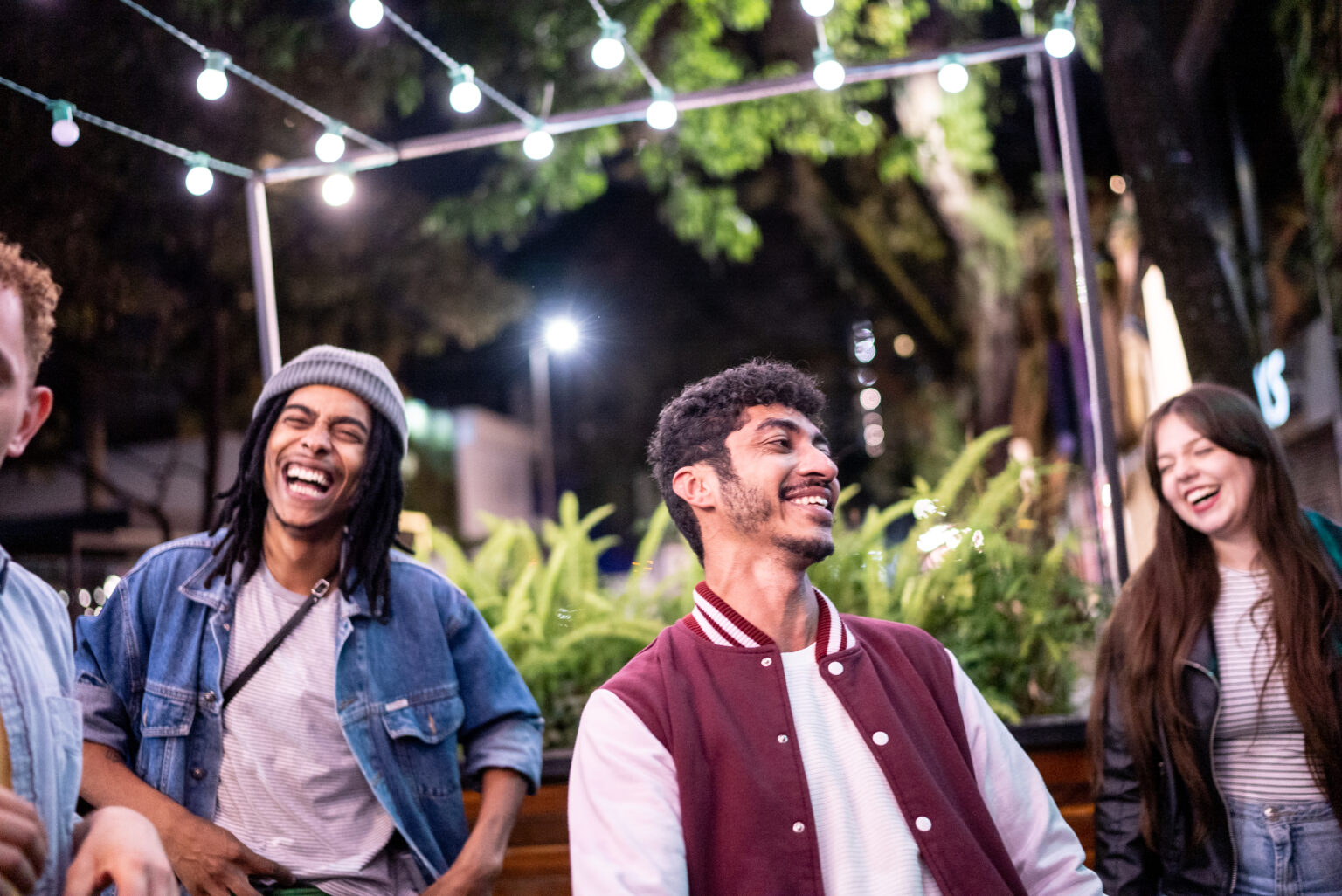
The retreat from digital noise is not about abandoning technology altogether; rather, it reflects a collective desire for balance and intentionality. South Africans are learning to establish healthier boundaries with their devices, using technology as a tool for efficiency while reserving their emotional energy for real-world interactions.
As social trends and cultural observations indicate, Mzansi’s rich tradition of community, rooted in the spirit of Ubuntu, is naturally pulling people back toward shared physical spaces. By trading double-taps for real conversations, South Africans are proving that no algorithm can replicate the warmth, spontaneous joy, and deep security found in authentic human community.