
The Premier of the Western Cape, Alan Winde, held a digital briefing on Thursday, 27 August 2026, discussing the rising temperatures caused by El Niño and the impact and risks the weather pattern may bring.
The digital briefing outlined the province’s preparedness for the related risks of the El Niño Southern Oscillation (ENSO). The Premier stated that the province has learned harsh lessons of preparedness concerning the pressures of climate change and the associated risks.
Also see: NSFAS application guide: Who qualifies and how to apply
What is the ENSO?
According to the United Nations University, ENSO is part of a climate pattern that occurs when surface waters in the central and eastern Pacific Ocean become unusually warm.
Under normal circumstances, trade winds in the Pacific Ocean push warm surface water westward toward Asia and Australia. During El Niño, these trade winds are weakened, causing an opposite effect where the surface water shifts eastward and changes atmospheric circulation and weather patterns around the world.
Weather impacts in the Western Cape
Due to this unusual climate pattern, many countries around the world will be impacted. IOL reports that Western Cape residents should expect an increase in air temperatures leading to extreme heat. There is also an expected increase in fire risks, compounded by the dry winter and increased strain on water resources.
Also see: 5 Common sun protection mistakes to avoid
Water security concerns over El Niño
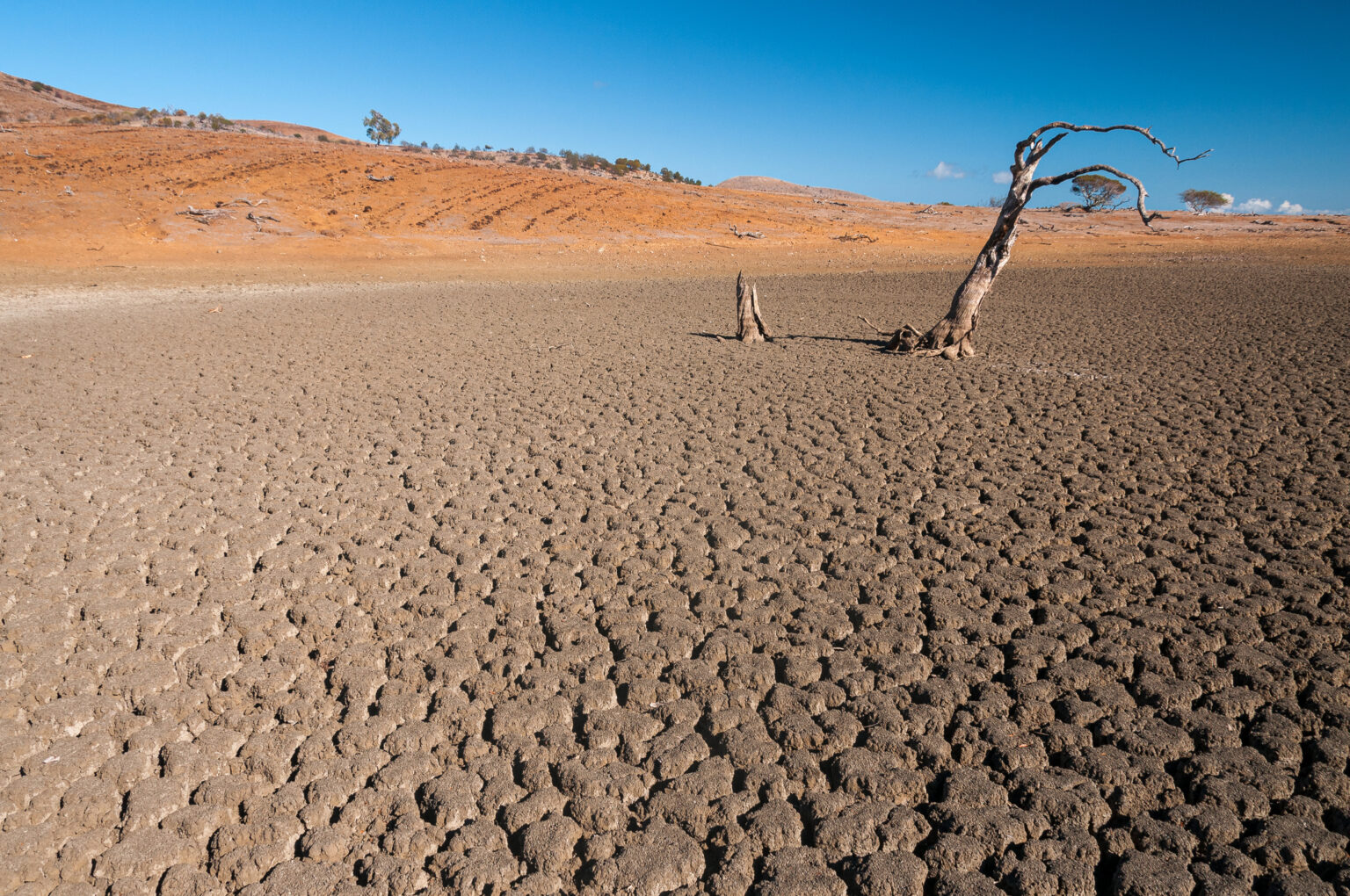
The most concerning impact that El Niño may have on the Western Cape is the strain on water resources. The hot, dry weather pattern will potentially come with frequent and intense droughts.
With the Western Cape dam levels 5% lower than last year’s, water security is a big concern in preparation for the harsh weather conditions to come. However, an investment of R65 million targeted at water resilience initiatives has been provided.
A R40.5 million water resilience grant and R25.2 million had been allocated through the Groundwater and Response Programme for projects during the 2026/27 financial year. There is a proactive approach that the Western Cape is taking to avoid potential tragedy as weather patterns worsen.
Provincial Disaster Management Centre head Dr Colin Deiner urged residents to prepare in their personal lives, stating that preparation for seasons like this doesn’t start now, but starts at the end of the previous summer. He also states that residents need the help of every single person in the province.
The Premier also warns that residents need to be aware of where they stay and what risks may occur in the area in which they live, stating:
“Where you live matters, and if you know that there is a fire risk in your area, now is the time to prepare.”
Also see: National Red Wine Day: Choosing the right red wine for your taste
Be the first to know – Join our WhatsApp channel for content worth tapping into. Click here to join!